Internal Linking Strategy for SEO
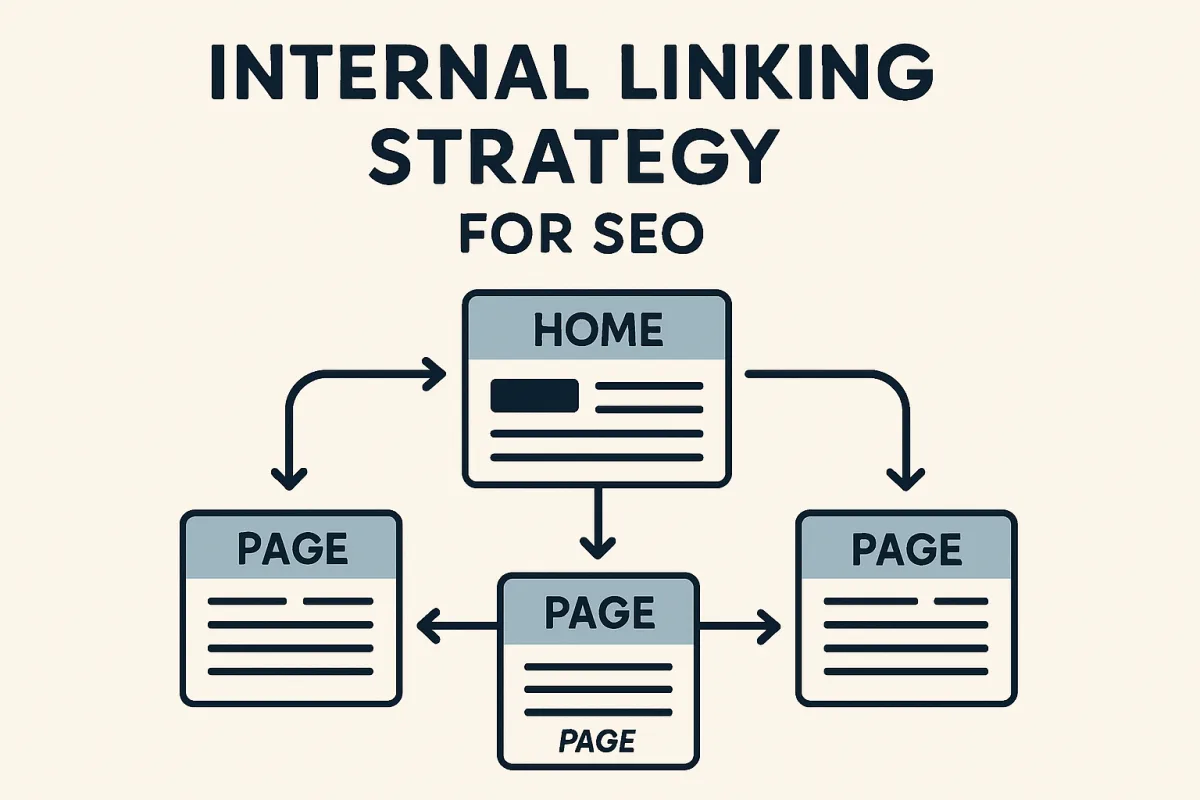
An effective internal linking strategy enhances SEO by improving site navigation, distributing page authority, and increasing user engagement. Focus on linking relevant content, using descriptive anchor text, and maintaining a logical structure. Tools like Screaming Frog can help analyze existing links, while Google Search Console provides insights into how your links are performing.
Quick Summary
Implementing a robust internal linking strategy is crucial for SEO success. It not only aids in site navigation but also helps search engines understand your content hierarchy. By strategically linking relevant pages, you can boost page authority and enhance user experience, ultimately leading to better rankings.
Curator Notes
An internal linking strategy is essential for optimizing your website for search engines. It involves creating hyperlinks that connect different pages within your site, which helps search engines crawl and index your content more effectively. By linking related articles or product pages, you can guide users through your site, keeping them engaged longer and reducing bounce rates.
This not only improves user experience but also signals to search engines the importance of your content hierarchy. To create a successful internal linking strategy, start by identifying your most important pages and content. Use descriptive anchor text that accurately reflects the linked page's content, as this helps both users and search engines understand the context.
Regularly audit your internal links using tools like Screaming Frog or Ahrefs to ensure they are functioning correctly and to discover new linking opportunities. Additionally, consider the depth of your links; pages that are deeper in your site structure may need more internal links to increase their visibility. Finally, remember that internal linking is not a one-time task.
Continuously update and refine your strategy as you create new content. This ongoing effort will help maintain a well-structured site that is easy for both users and search engines to navigate.
Recommended Options
- Screaming Frog SEO Spider: Best for SEO professionals looking to audit internal links Provides comprehensive site audits, including internal link analysis. Signal checked: Widely used by SEO experts and agencies. Alternative to consider: Ahrefs
- Ahrefs: Best for In-depth SEO analysis and competitor research Offers extensive backlink analysis and keyword research tools. Signal checked: Highly rated by SEO professionals for its robust features. Alternative to consider: SEMrush
- Google Search Console: Best for Monitoring website performance and link metrics Free tool that provides insights into how Google views your site. Signal checked: Essential for any website owner to track search performance. Alternative to consider: Bing Webmaster Tools
Best Sources
Videos and Community Signals
Internal links are important for users to navigate between content and pages on your website. In this episode of SEO Made Easy, ...
In this video, you'll learn how to use internal links to rank higher in Google. *************************************** Additional Link ...
Comparison
| Decision Point | Good Starting Choice | When to Go Further |
|---|---|---|
| Link Analysis | Screaming Frog for basic audits | Ahrefs for comprehensive analysis and competitor insights |
| Cost | Google Search Console (free) | Ahrefs (subscription-based with advanced features) |
| User Interface | Screaming Frog (simple and effective) | Ahrefs (more complex but feature-rich) |
FAQ
Internal linking refers to hyperlinks that connect different pages within the same website, helping both users and search engines navigate the site.
Internal linking enhances site navigation, distributes page authority, and improves user engagement, all of which contribute to better search engine rankings.
Focus on linking relevant content, use descriptive anchor text, and regularly audit your links to ensure they are effective.