Intermittent Fasting Starter
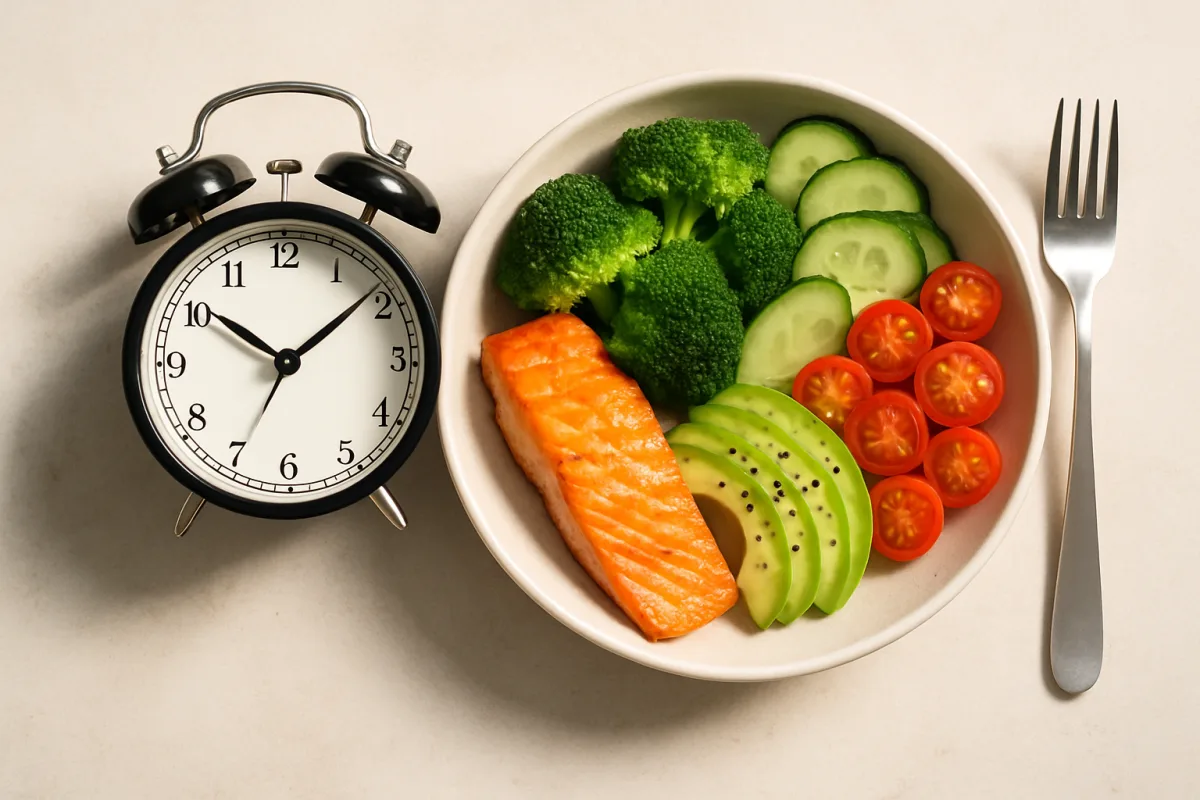
Intermittent fasting (IF) is a dietary approach that alternates between periods of eating and fasting. It can be effective for weight loss, improved metabolic health, and even longevity. Beginners should consider starting with the 16/8 method, where you fast for 16 hours and eat during an 8-hour window. This approach is manageable for most people, allowing them to skip breakfast and eat lunch and dinner. It's essential to stay hydrated during fasting periods and focus on whole, nutrient-dense foods during eating windows. Consulting with a healthcare provider before starting any fasting regimen is advisable, especially for those with underlying health conditions.
Quick Summary
Starting intermittent fasting can be a game-changer for weight loss and overall health. The 16/8 method is often recommended for beginners, as it simplifies the fasting process by allowing an 8-hour eating window. Staying hydrated and choosing nutritious foods during eating periods is crucial. While many find success with IF, it's important to consult a healthcare professional, especially if you have existing health issues. This guide provides practical tips and insights to help you embark on your intermittent fasting journey effectively.
Curator Notes
Intermittent fasting (IF) has gained popularity as a flexible approach to weight management and health improvement. The 16/8 method, where you fast for 16 hours and eat within an 8-hour window, is particularly appealing for beginners. This method allows you to skip breakfast, which many find convenient, and focus on lunch and dinner.
It’s a straightforward way to ease into fasting without feeling deprived. Hydration plays a vital role during fasting periods. Drinking water, herbal teas, or black coffee can help curb hunger and keep you feeling energized.
Avoid sugary drinks and high-calorie beverages, as they can break your fast and lead to unwanted cravings. Staying hydrated is not only important for your physical health but also helps maintain mental clarity during fasting hours. When it comes to what to eat during your eating window, prioritize whole, nutrient-dense foods.
Focus on lean proteins, healthy fats, and plenty of vegetables. This approach not only supports weight loss but also ensures you’re getting the vitamins and minerals your body needs. Avoid processed foods and excessive sugars, as they can lead to energy crashes and cravings.
Some individuals may experience challenges when starting intermittent fasting, such as hunger pangs or irritability. These symptoms often diminish after the first week as your body adjusts to the new eating pattern. It’s essential to listen to your body and adjust your fasting schedule if necessary.
If you find the 16/8 method too challenging, consider starting with a shorter fasting period, like 12 hours, and gradually increasing it. Consulting with a healthcare provider is crucial, especially for those with underlying health conditions or those taking medications. They can provide personalized advice and help you determine if intermittent fasting is a suitable option for you.
This step is particularly important for individuals with diabetes, eating disorders, or other metabolic concerns. Lastly, community support can be beneficial. Engaging with online forums or local groups can provide motivation and accountability.
Sharing experiences and tips with others on the same journey can make the process more enjoyable and less isolating. Remember, the goal of intermittent fasting is not just weight loss but fostering a healthier relationship with food and your body.
Best Sources
Videos and Community Signals
Have you tried #IntermittentFasting for #WeightLoss? RUSH medical weight management physician Naomi Parrella, MD, breaks ...
Come see what I eat in a day! Thanks to LMNT for sponsoring this video. Visit http://DrinkLMNT.com/DANISPIES to get a free ...
Comparison
| Decision Point | Good Starting Choice | When to Go Further |
|---|---|---|
| Online booking | A simple booking page with service duration, staff assignment and confirmation emails. | Multi-location calendars, deposits, cancellation rules and waitlist handling. |
| Client records | Basic notes, visit history and contact details are enough to start. | Segmentation, purchase history, memberships, forms and before-after notes become more important. |
| Reminders | SMS or email reminders help reduce no-shows without adding admin work. | Automated rebooking, follow-up campaigns and missed-appointment recovery matter more. |
| Payments | Card capture and checkout should be simple and transparent. | Packages, memberships, staff commissions, tips and refunds need cleaner reporting. |
| Marketing | Light email or SMS campaigns are useful if they are easy to run. | Automated win-back, birthday offers, review requests and audience segments create more leverage. |
FAQ
The 16/8 method is often recommended for beginners as it allows for a manageable fasting period while still providing ample time to eat.
Yes, staying hydrated with water, herbal teas, or black coffee is encouraged during fasting periods.
Not necessarily. It's important to consult a healthcare provider, especially if you have existing health conditions.
Focus on whole, nutrient-dense foods like lean proteins, healthy fats, and plenty of vegetables.