Intermittent Fasting Meal Plan Guide
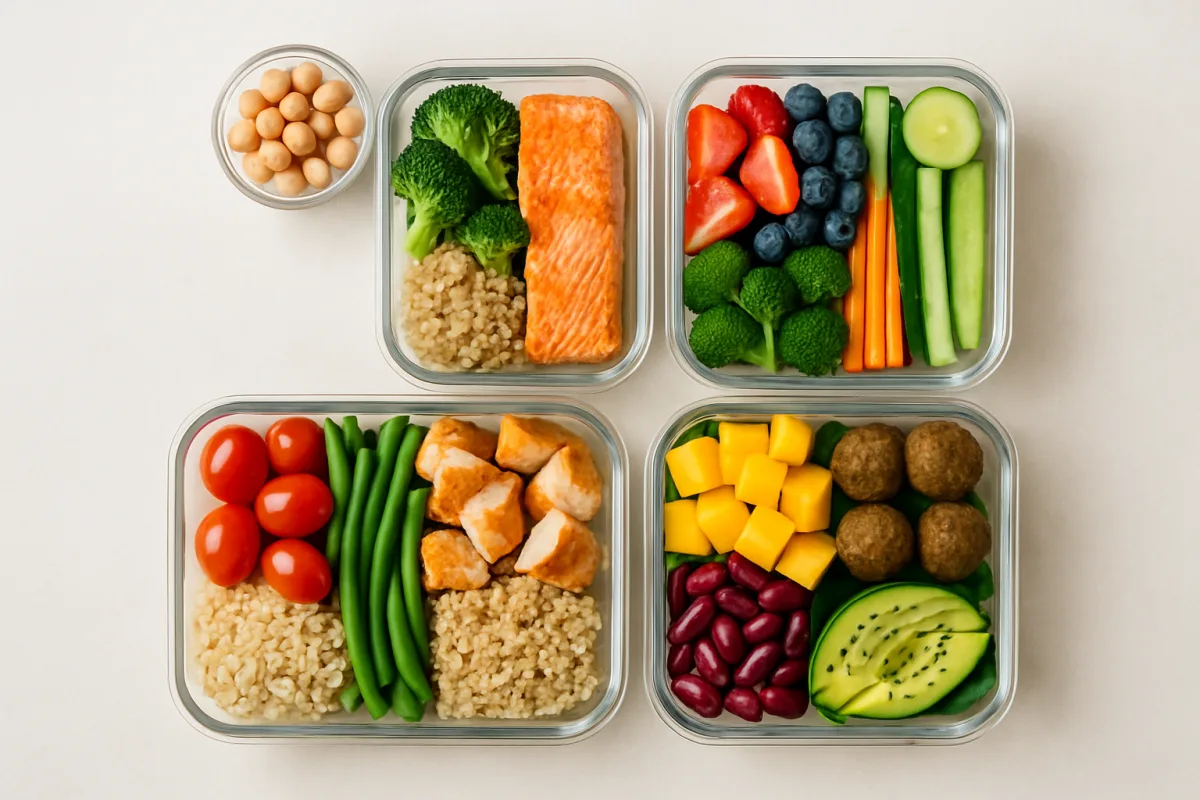
Intermittent fasting (IF) is an eating pattern that alternates between fasting and eating periods. A popular method is the 16/8 approach, where you fast for 16 hours and eat during an 8-hour window, typically from noon to 8 PM. During this eating window, focus on balanced meals rich in protein, healthy fats, and fiber. This method can aid in weight loss, improve metabolic health, and enhance mental clarity. Always consult a healthcare professional before starting any new diet.
Quick Summary
This guide provides a comprehensive overview of intermittent fasting meal plans, including practical tips, meal ideas, and health benefits. It aims to assist beginners in effectively incorporating intermittent fasting into their lifestyle.
Curator Notes
Intermittent fasting is not just about what you eat, but when you eat. The 16/8 method is one of the most popular forms, allowing you to fast for 16 hours and consume meals within an 8-hour window. This can be particularly effective for those looking to lose weight or improve their metabolic health.
During the eating window, focus on nutrient-dense foods such as lean proteins, whole grains, healthy fats, and plenty of fruits and vegetables. This ensures you get the necessary nutrients while adhering to the fasting schedule. It's essential to listen to your body and adjust your fasting plan as needed.
Some people may find it challenging to fast for 16 hours initially, so starting with a shorter fasting period, like 12 hours, can be beneficial. Gradually increasing the fasting duration can help your body adapt. Additionally, staying hydrated during fasting hours is crucial; water, herbal teas, and black coffee are excellent choices that won’t break your fast.
Remember, intermittent fasting may not be suitable for everyone. Individuals with certain health conditions or those who are pregnant should consult a healthcare professional before starting any fasting regimen. Overall, the key to success with intermittent fasting lies in consistency and making healthy food choices during your eating window.
Recommended Options
- MyFitnessPal: Best for Tracking meals and fasting periods Offers a comprehensive food database and allows users to log meals easily. Signal checked: Highly rated by users for its user-friendly interface and extensive features. Alternative to consider: Cronometer, which focuses more on nutrient tracking.
- Zero Fasting: Best for Guided fasting experience Provides various fasting plans and tracks your progress. Signal checked: Popular among users for its motivational features and community support. Alternative to consider: Life Fasting Tracker, which also offers community features.
Best Sources
Videos and Community Signals
Hey guys! I've seen over and over questions and comments regarding dieting so I decided to start a series where I conduct a diet ...
Come see what I eat in a day! Thanks to LMNT for sponsoring this video. Visit http://DrinkLMNT.com/DANISPIES to get a free ...
Comparison
| Decision Point | Good Starting Choice | When to Go Further |
|---|---|---|
| Fasting Duration | 12 hours, suitable for beginners | 16 hours, ideal for weight loss and metabolic benefits |
| Meal Composition | Focus on whole foods and balanced meals | Incorporate macronutrient tracking for optimal results |
| Hydration | Drink water during fasting | Include herbal teas and black coffee for variety |
FAQ
Yes, black coffee is generally allowed during fasting as it contains no calories.
Focus on balanced meals rich in protein, healthy fats, and fiber to maintain energy levels.