Inflation and Your Savings Explained
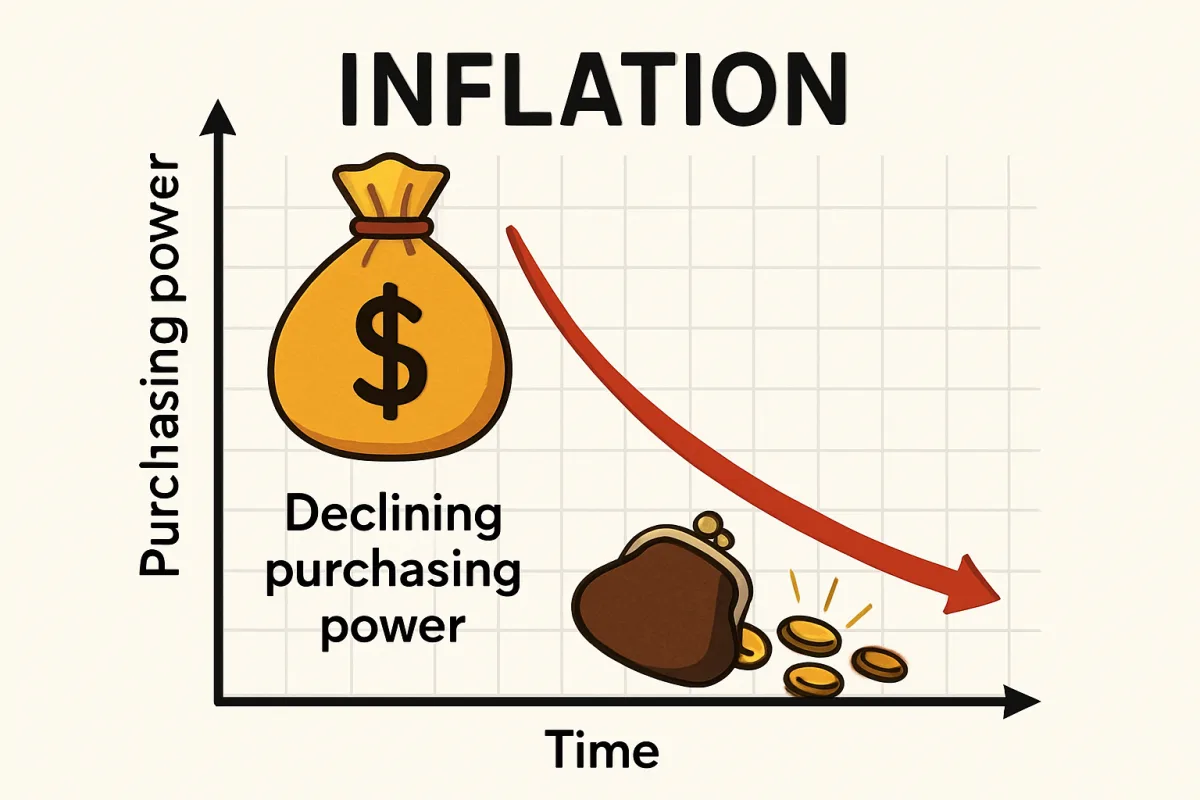
Inflation erodes the purchasing power of your savings, making it crucial to understand its impact on your financial health. When inflation rises, the value of money decreases, meaning that the same amount of money will buy fewer goods and services over time. To protect your savings, consider investing in assets that typically outpace inflation, such as stocks, real estate, or inflation-protected securities. It's also wise to regularly review your savings strategy to ensure it aligns with current economic conditions and your financial goals.
Quick Summary
Understanding inflation is essential for effective savings management. As inflation increases, the real value of your savings diminishes, which can significantly affect your financial stability. To mitigate these effects, consider diversifying your investments into assets that historically perform well during inflationary periods. Regularly reassessing your savings strategy in light of inflation trends can help safeguard your purchasing power and ensure your long-term financial health.
Curator Notes
Inflation directly impacts the value of your savings, making it a critical factor to consider in personal finance. When inflation rises, the purchasing power of money decreases, meaning that over time, you can buy less with the same amount of money. This erosion of value can be particularly concerning for those relying on fixed savings accounts, as the interest earned often fails to keep pace with inflation rates.
To combat the effects of inflation, diversifying your investment portfolio is essential. Assets such as stocks, real estate, and commodities often provide returns that outstrip inflation, helping to preserve and even grow your wealth. For example, historically, equities have offered higher returns compared to traditional savings accounts, making them a more attractive option for long-term savings.
Another option to consider is inflation-protected securities, like Treasury Inflation-Protected Securities (TIPS). These bonds adjust their principal value based on inflation, ensuring that your investment retains its purchasing power over time. While they may offer lower returns compared to stocks, they provide a safety net against inflation.
It's also important to regularly review your savings strategy. Economic conditions can change rapidly, and what worked a few years ago may not be effective today. Keeping an eye on inflation trends and adjusting your savings and investment strategies accordingly can help you stay ahead of the curve.
Many people underestimate the importance of maintaining an emergency fund. While it’s essential to have liquid savings for unforeseen expenses, consider placing a portion of your emergency fund in a high-yield savings account or a money market account that offers better interest rates than traditional savings accounts. Finally, financial literacy plays a crucial role in navigating inflation.
Understanding how inflation affects your savings can empower you to make informed decisions about where to allocate your money. Engaging with financial advisors or utilizing online resources can enhance your knowledge and help you develop a robust financial plan that withstands inflationary pressures.
Recommended Options
- Vanguard Total Stock Market Index Fund: Best for long-term growth Offers broad exposure to the U.S. stock market, historically outpacing inflation. Signal checked: Highly rated by investors for low fees and strong performance. Alternative to consider: Fidelity Total Market Index Fund
- BlackRock iShares TIPS Bond ETF: Best for inflation protection Invests in TIPS, providing a hedge against inflation. Signal checked: Consistently recommended by financial advisors for conservative portfolios. Alternative to consider: Schwab U.S. TIPS ETF
- Real Estate Investment Trusts (REITs): Best for income and growth Signal checked: Widely recognized for their potential to generate passive income. Alternative to consider: Direct real estate investment
Best Sources
Videos and Community Signals
Inflation doesn't just raise prices—it also eats away at your savings and can reshape your investment strategy. But how exactly ...
Welcome to an eye-opening discussion on how inflation can significantly impact your hard-earned savings. In this video, we ...
Comparison
| Decision Point | Good Starting Choice | When to Go Further |
|---|---|---|
| Investment Type | Savings Account | Stocks or REITs |
| Risk Level | Low risk, low return | Higher risk, potential for higher returns |
| Inflation Protection | Minimal protection | Strong protection through TIPS or equities |
FAQ
Inflation reduces the purchasing power of your savings, meaning you can buy less with the same amount of money over time.
Consider investing in assets like stocks, real estate, or inflation-protected securities that typically outpace inflation.
Generally, no. Savings accounts often offer low interest rates that do not keep pace with inflation, leading to a loss of purchasing power.