Inflammation and Weight Gain
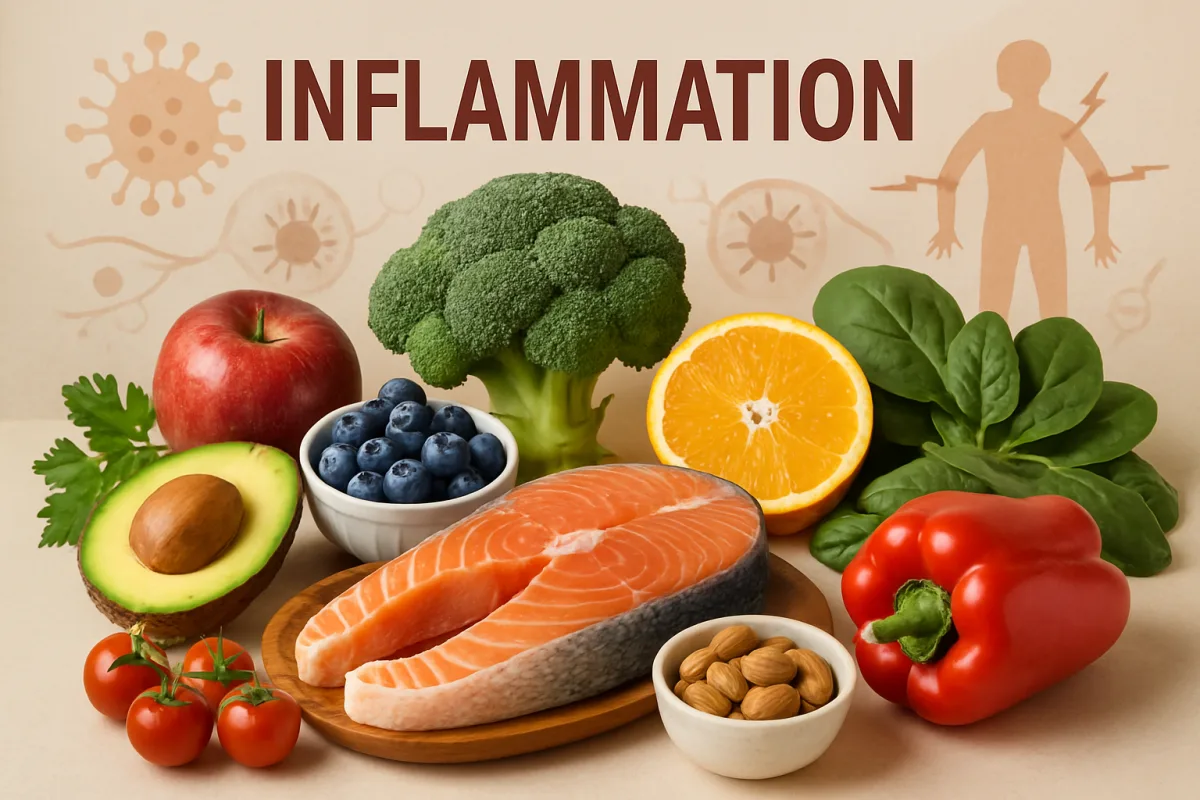
Inflammation can significantly impact weight gain and obesity. Chronic inflammation may lead to insulin resistance, increased fat storage, and appetite regulation issues. This connection highlights the importance of managing inflammation through diet, exercise, and lifestyle changes to support weight loss and overall health.
Quick Summary
Inflammation plays a crucial role in weight gain by affecting metabolism and appetite. Understanding this relationship can help in managing weight effectively through targeted lifestyle changes.
Curator Notes
Chronic inflammation is a persistent state of immune activation that can disrupt normal metabolic processes. It is often linked to various health issues, including obesity. When inflammation is present, the body's ability to regulate insulin and glucose is impaired, leading to insulin resistance.
This condition not only increases the likelihood of weight gain but also makes it more difficult to lose weight. Moreover, inflammation can affect appetite regulation by altering the hormones that signal hunger and satiety. Elevated levels of inflammatory markers can lead to increased cravings for high-calorie foods, further exacerbating weight gain.
Therefore, managing inflammation through dietary choices, regular physical activity, and stress reduction techniques is essential for those looking to lose weight and improve overall health. Incorporating anti-inflammatory foods, such as fruits, vegetables, whole grains, and healthy fats, can help mitigate these effects. Additionally, engaging in regular exercise can reduce inflammation levels and improve metabolic health, making weight management more achievable.
Recommended Options
- Gaia Herbs Turmeric Supplements: Best for Individuals seeking natural anti-inflammatory support Turmeric contains curcumin, known for its potent anti-inflammatory properties. Signal checked: Highly rated by users for effectiveness in reducing inflammation. Alternative to consider: Ginger supplements, which also have anti-inflammatory benefits.
- Nordic Naturals Omega-3 Fish Oil: Best for Those looking to reduce inflammation and support heart health Rich in EPA and DHA, which are effective in lowering inflammatory markers. Signal checked: Backed by numerous studies linking omega-3s to reduced inflammation. Alternative to consider: Flaxseed oil for a plant-based omega-3 source.
Best Sources
Videos and Community Signals
Learn my dietitian insights about a question that's been buzzing around: Does inflammation cause weight gain, or could it be the ...
Female hormone Solution Waitlist: https://dr-beth-westie.mykajabi.com/12-week-program-waitlist Inflammation can create issues ...
Comparison
| Decision Point | Good Starting Choice | When to Go Further |
|---|---|---|
| Dietary Changes | Incorporate more fruits and vegetables for antioxidants. | Adopt a Mediterranean diet rich in healthy fats and whole grains. |
| Exercise Regimen | Start with moderate activities like walking. | Engage in high-intensity interval training (HIIT) for better metabolic benefits. |
FAQ
Inflammation can disrupt insulin sensitivity and appetite regulation, leading to increased fat storage and cravings.
Adopting a balanced diet, regular exercise, and stress management techniques can effectively lower inflammation levels.