Improve Memory For Studying
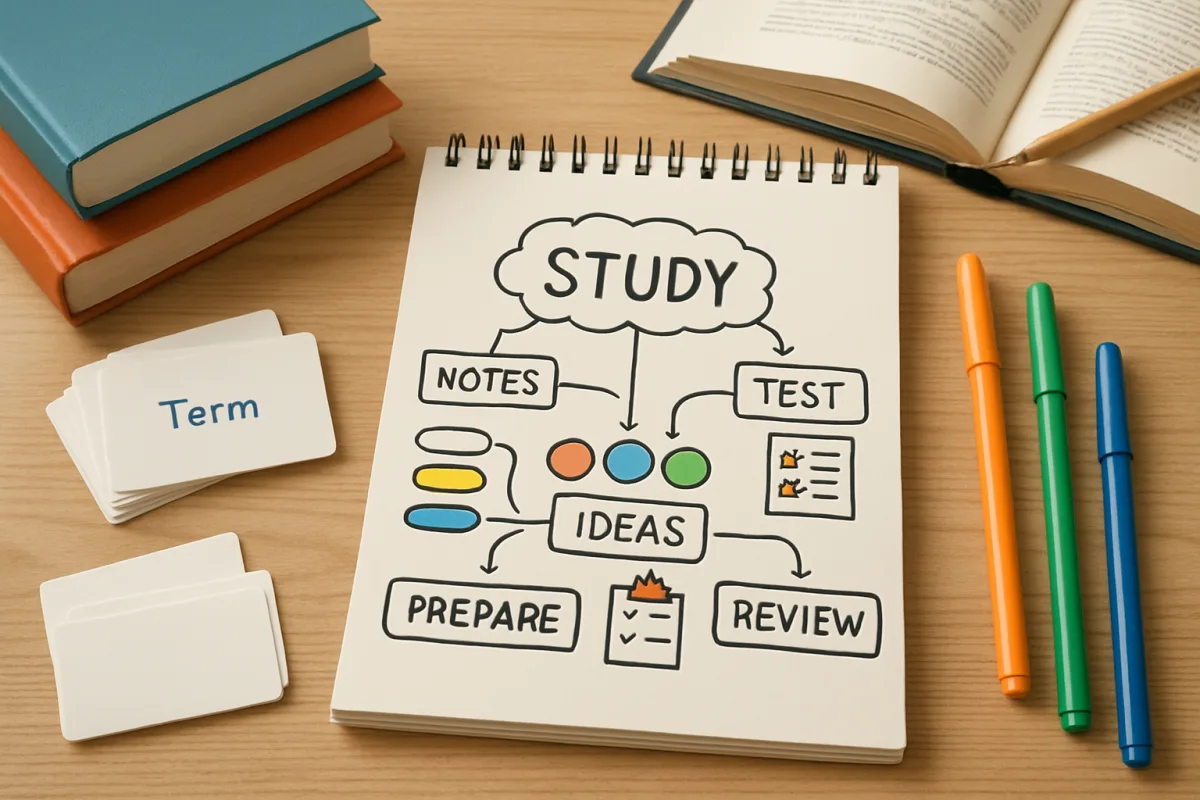
Improving memory for studying involves a combination of techniques that enhance retention and recall. Key strategies include spaced repetition, active recall, and the use of mnemonic devices. Spaced repetition involves reviewing material at increasing intervals, which helps reinforce memory pathways. Active recall encourages you to retrieve information from memory actively, rather than passively reviewing notes. Mnemonic devices, like acronyms or visualization, can make complex information more memorable. Each method has its strengths, and combining them can lead to better outcomes in your studies.
Quick Summary
Effective memory improvement for studying hinges on practical techniques that enhance retention. Spaced repetition, active recall, and mnemonic devices stand out as powerful methods. Spaced repetition helps reinforce memory by revisiting material at strategic intervals, while active recall boosts retention through retrieval practice. Mnemonic devices simplify complex information, making it easier to remember. By integrating these strategies, students can significantly enhance their learning efficiency and academic performance.
Curator Notes
Memory improvement for studying is not just about cramming information; it's about employing effective techniques that facilitate long-term retention. One of the most effective methods is spaced repetition. This technique involves reviewing material at increasing intervals, which has been shown to strengthen memory retention.
Instead of revisiting the same information daily, you might review it after a day, then a week, and so on. This approach helps your brain consolidate information more effectively over time. Active recall is another powerful strategy.
Instead of passively reading or highlighting notes, you should actively test yourself on the material. This could involve using flashcards or practice quizzes. The act of retrieving information from memory reinforces neural pathways, making it easier to recall the information later.
Many students find that this method not only improves retention but also boosts their confidence during exams. Mnemonic devices can also be incredibly useful, especially for memorizing complex information. Techniques like acronyms, rhymes, or visualization can transform dry facts into engaging stories or images.
For instance, using the acronym HOMES to remember the Great Lakes (Huron, Ontario, Michigan, Erie, Superior) can make the information stick more effectively. Another often-overlooked technique is the use of mind maps. Creating visual representations of information can help you see connections between concepts, making it easier to recall them later.
This method is particularly beneficial for subjects that require understanding relationships, such as history or science. It's also essential to consider your study environment. A quiet, organized space can minimize distractions and enhance focus.
Additionally, taking regular breaks during study sessions can prevent burnout and improve overall retention. The Pomodoro Technique, which involves studying for 25 minutes followed by a 5-minute break, is a popular method that many find effective. Lastly, maintaining a healthy lifestyle can significantly impact memory.
Regular exercise, a balanced diet, and adequate sleep are crucial for optimal brain function. Studies have shown that physical activity increases blood flow to the brain, which can enhance cognitive abilities, including memory. In summary, improving memory for studying is a multifaceted approach that combines effective techniques, a conducive environment, and a healthy lifestyle.
By integrating spaced repetition, active recall, mnemonic devices, and maintaining a supportive study environment, students can enhance their learning experience and academic success.
Recommended Options
- Anki: Best for Students looking for a customizable flashcard system Anki uses spaced repetition to optimize learning and retention. Signal checked: Widely used among medical and language students, with a strong community backing. Alternative to consider: Quizlet offers similar features but lacks advanced customization.
- MindMeister: Best for Visual learners who benefit from mind mapping Signal checked: Highly rated for its user-friendly interface and collaborative features. Alternative to consider: XMind offers more advanced features but can be overwhelming for beginners.
- Pomodoro Timer: Best for Students needing structured study sessions Encourages focused study with timed intervals and breaks. Signal checked: Proven effective for maintaining concentration and preventing fatigue. Alternative to consider: Forest app gamifies the process but may not suit everyone.
Best Sources
Videos and Community Signals
These tips will give you the memory boost you need! Thanks to LastPass for sponsoring this video. Click the link to start using ...
Transform how you learn with my full learning system based on the latest research: https://bit.ly/StudySkillsCourse If you are new ...
Comparison
| Decision Point | Good Starting Choice | When to Go Further |
|---|---|---|
| Study Technique | Spaced Repetition for long-term retention | Active Recall for deeper understanding |
| Memory Aid | Mnemonic Devices for easy recall | Mind Mapping for complex information |
| Study Environment | Quiet space to minimize distractions | Organized workspace with all materials at hand |
FAQ
Aim for spaced intervals, starting with a review after one day, then a week, and gradually extending the time.
Use them for active recall by testing yourself rather than just reading the answers.
Yes, regular exercise, a balanced diet, and adequate sleep are crucial for cognitive function and memory.