Identity Theft Recovery Steps
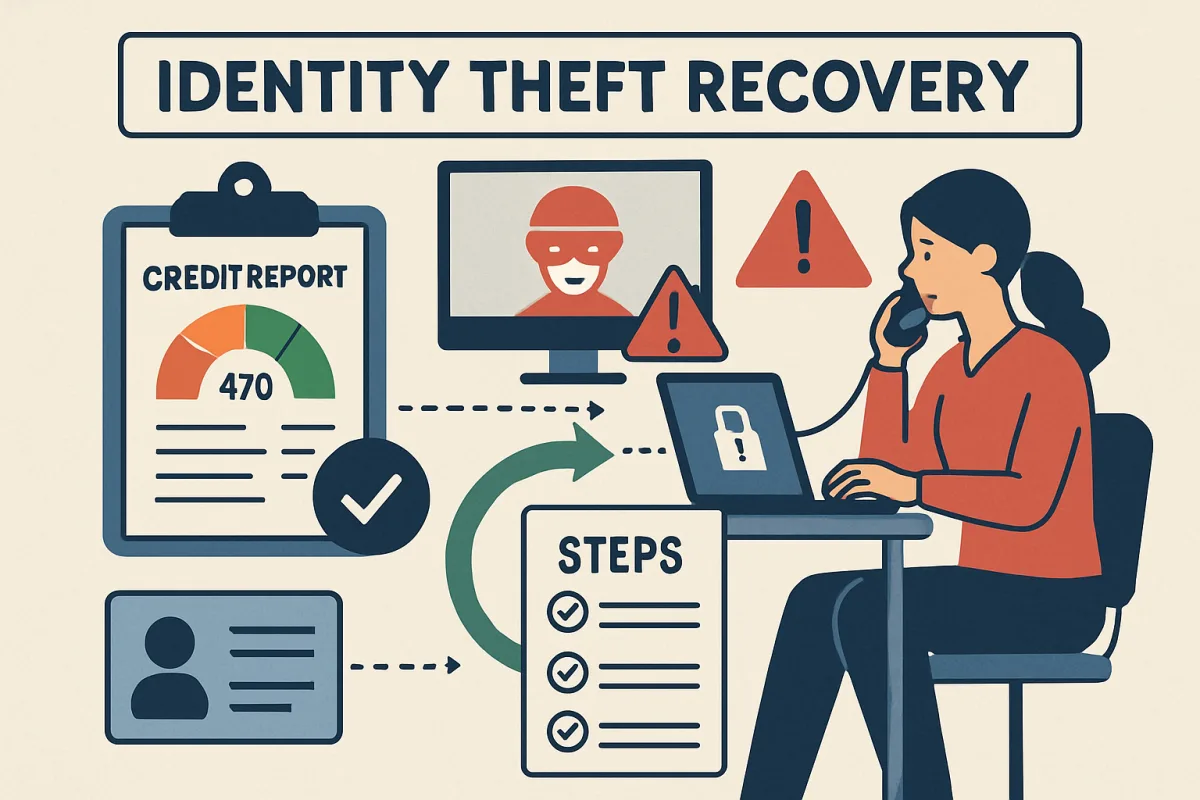
Recovering from identity theft requires a structured approach. Start by placing a fraud alert on your credit reports, which notifies creditors to take extra steps to verify your identity. Next, review your credit reports for any unauthorized accounts or transactions. Report the theft to the Federal Trade Commission (FTC) at IdentityTheft.gov, where you can create a recovery plan. Additionally, consider freezing your credit to prevent new accounts from being opened in your name. Finally, document all communications and actions taken during the recovery process to ensure you have a clear record of your efforts.
Quick Summary
Identity theft recovery involves several critical steps to reclaim your identity and secure your finances. Begin by placing a fraud alert on your credit reports and reviewing them for unauthorized activity. Report the incident to the FTC and consider freezing your credit. Keeping thorough documentation of your actions is essential for a successful recovery. Each step is vital in mitigating the damage and restoring your financial health.
Curator Notes
The first step in recovering from identity theft is to place a fraud alert on your credit reports. This alert warns creditors to verify your identity before opening new accounts in your name. It's a simple yet effective measure that can prevent further damage while you assess the situation.
You can place a fraud alert with one of the three major credit bureaus—Equifax, Experian, or TransUnion—and they will notify the others for you. Next, thoroughly review your credit reports for any unauthorized accounts or transactions. You are entitled to one free credit report from each bureau annually, which you can obtain at AnnualCreditReport.com.
Look for unfamiliar accounts or inquiries that you did not initiate. This step is crucial because it helps you identify the extent of the theft and informs your next actions. After assessing your credit reports, report the theft to the Federal Trade Commission (FTC) at IdentityTheft.gov.
This website provides a comprehensive recovery plan tailored to your situation. You'll need to fill out a report detailing the theft, which can serve as a legal document when disputing fraudulent charges or accounts. Consider freezing your credit as a protective measure.
A credit freeze restricts access to your credit report, making it difficult for identity thieves to open new accounts in your name. You can lift the freeze temporarily when you need to apply for credit, providing a balance between security and accessibility. Documentation is key throughout this process.
Keep a detailed record of all communications, including dates, times, and the names of representatives you speak with. This documentation will be invaluable if you need to dispute charges or prove your case later on. Finally, monitor your financial accounts and credit reports regularly after the initial recovery steps.
Identity theft can have long-lasting effects, and being vigilant can help you catch any new issues early. Consider enrolling in a credit monitoring service for added peace of mind, as they can alert you to changes in your credit report in real-time. Each of these steps plays a vital role in the recovery process.
While it may feel overwhelming, taking systematic action can help you regain control of your identity and finances. Remember that recovery is a journey, and being proactive is your best defense against future incidents.
Best Sources
Videos and Community Signals
Most of the time, your identity is stolen from people you know. Protect yourself: https://goo.gl/rt4X9Z SUMMARY In this video, Dave ...
Struggling with identity theft? This video is your comprehensive guide to identity theft recovery, packed with actionable tips to ...
Comparison
| Decision Point | Good Starting Choice | When to Go Further |
|---|---|---|
| Online booking | A simple booking page with service duration, staff assignment and confirmation emails. | Multi-location calendars, deposits, cancellation rules and waitlist handling. |
| Client records | Basic notes, visit history and contact details are enough to start. | Segmentation, purchase history, memberships, forms and before-after notes become more important. |
| Reminders | SMS or email reminders help reduce no-shows without adding admin work. | Automated rebooking, follow-up campaigns and missed-appointment recovery matter more. |
| Payments | Card capture and checkout should be simple and transparent. | Packages, memberships, staff commissions, tips and refunds need cleaner reporting. |
| Marketing | Light email or SMS campaigns are useful if they are easy to run. | Automated win-back, birthday offers, review requests and audience segments create more leverage. |
FAQ
Start by placing a fraud alert on your credit reports and reviewing them for unauthorized activity.
You can report identity theft to the Federal Trade Commission at IdentityTheft.gov.
Freezing your credit is a strong protective measure that can prevent new accounts from being opened in your name.
Consider enrolling in a credit monitoring service to receive alerts about changes to your credit report.