Hydrogen Cars: Are They Ready?
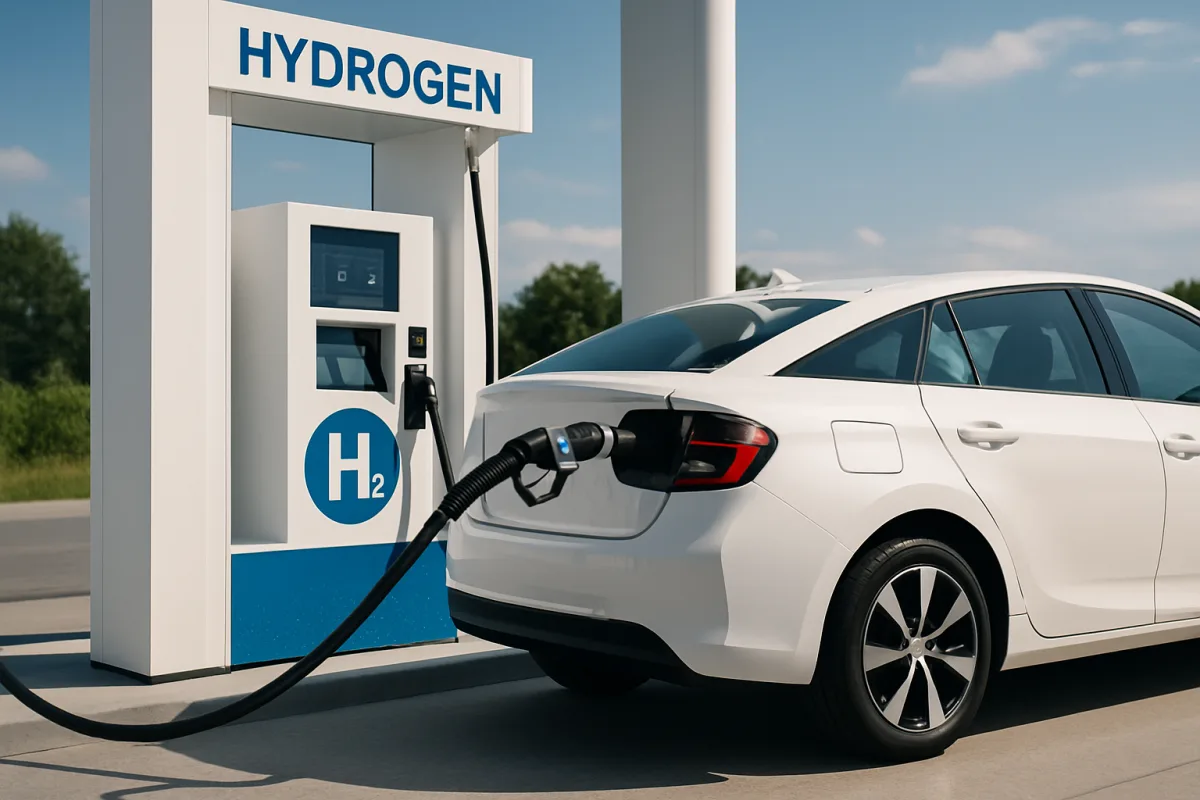
Hydrogen cars are gaining traction as a viable alternative to traditional gasoline vehicles and electric cars. They utilize hydrogen fuel cells to convert hydrogen gas into electricity, emitting only water vapor as a byproduct. While several manufacturers are investing in hydrogen technology, challenges such as infrastructure development, production costs, and energy efficiency remain significant hurdles. Currently, brands like Toyota and Hyundai lead the market with models like the Toyota Mirai and Hyundai Nexo, showcasing the potential of hydrogen as a clean energy source.
Quick Summary
Hydrogen cars are emerging as a promising alternative to fossil fuel vehicles, offering zero emissions and quick refueling times. However, challenges such as limited infrastructure and high production costs hinder widespread adoption. Key players like Toyota and Hyundai are at the forefront, developing models that demonstrate the technology's potential.
Curator Notes
Hydrogen cars operate using fuel cells that convert hydrogen gas into electricity, powering an electric motor. This process produces only water vapor as a byproduct, making hydrogen vehicles environmentally friendly. The technology promises several advantages, including faster refueling times compared to battery electric vehicles and a longer driving range.
However, the current hydrogen infrastructure is limited, with few refueling stations available, particularly outside urban areas. This poses a significant barrier to consumer adoption. Moreover, the production of hydrogen itself can be energy-intensive, often relying on fossil fuels, which raises questions about the overall sustainability of hydrogen as a fuel source.
Despite these challenges, major automotive manufacturers are investing heavily in hydrogen technology. Toyota's Mirai and Hyundai's Nexo are leading examples, showcasing the potential of hydrogen vehicles. As advancements continue and infrastructure expands, hydrogen cars may play a crucial role in the future of sustainable transportation.
Recommended Options
- Toyota Mirai: Best for Consumers seeking a reliable hydrogen vehicle with a solid reputation. The Mirai offers a spacious interior, advanced safety features, and a driving range of approximately 400 miles. Signal checked: Widely praised in automotive reviews for its performance and comfort. Alternative to consider: Hyundai Nexo
- Hyundai Nexo: Best for Drivers looking for a tech-savvy hydrogen vehicle with modern features. The Nexo includes advanced driver-assistance systems and a range of about 380 miles. Signal checked: Recognized for its innovative technology and eco-friendliness. Alternative to consider: Toyota Mirai
Best Sources
Videos and Community Signals
We were recently test driving the BMW iX5 Hydrogen and during the test, we had a chance to refuel the car with hydrogen. Energy ...
In a world increasingly focused on eco-conscious transportation, join us as we dive into the future of sustainable mobility! Discover ...
Comparison
| Decision Point | Good Starting Choice | When to Go Further |
|---|---|---|
| Driving Range | Toyota Mirai (400 miles) | Hyundai Nexo (380 miles) |
| Refueling Time | 5 minutes for both models | Availability of refueling stations varies by location |
| Safety Features | Standard safety features in both models | Advanced driver-assistance systems in Hyundai Nexo |
FAQ
Hydrogen cars offer zero emissions, quick refueling times, and longer ranges compared to battery electric vehicles.
The main challenges include limited refueling infrastructure, high production costs, and energy efficiency concerns.