Hybrid vs Full Electric: Which to Buy
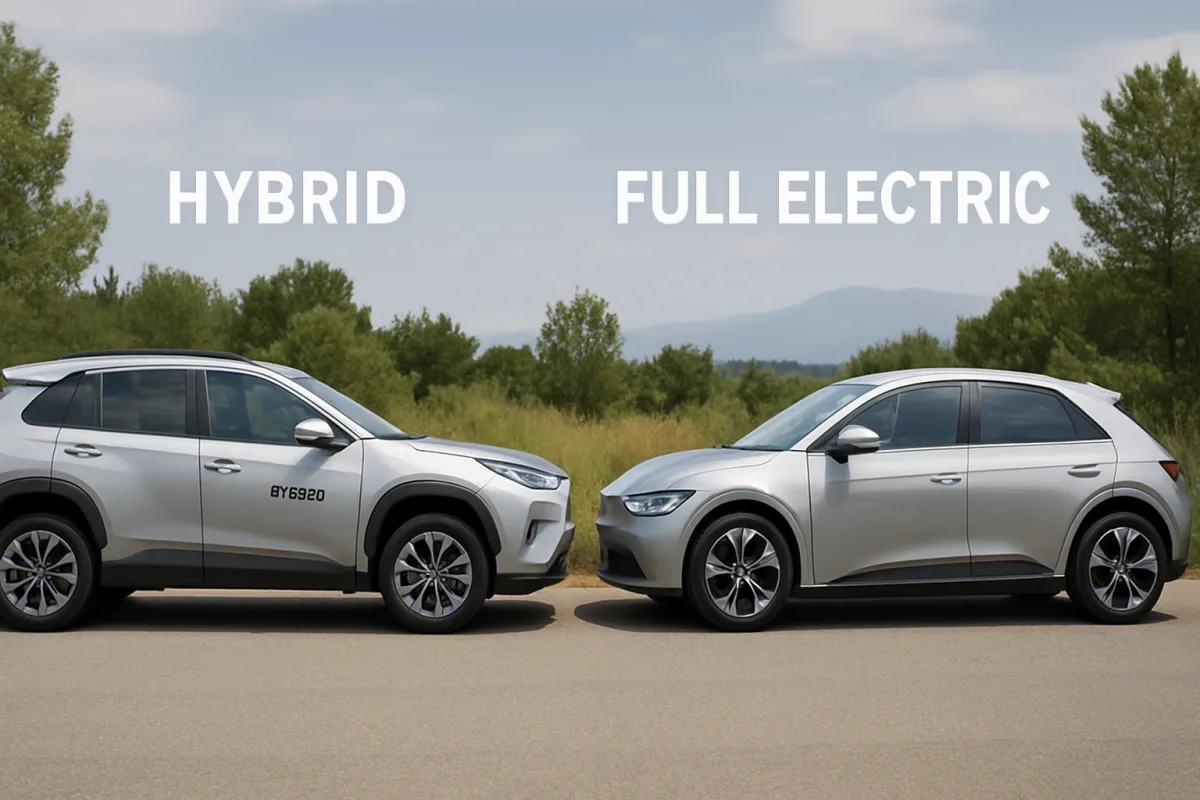
Choosing between a hybrid and a full electric vehicle (EV) depends on your driving habits, budget, and environmental concerns. Hybrids combine a gasoline engine with an electric motor, offering better fuel efficiency and a longer range without the need for charging stations. Full electric vehicles, on the other hand, produce zero emissions and are often cheaper to operate, but require access to charging infrastructure. Assess your daily commute, charging options, and budget to make the best choice.
Quick Summary
This guide explores the key differences between hybrid and full electric vehicles, helping you decide which option suits your lifestyle and needs. Factors such as driving range, fuel efficiency, environmental impact, and cost will be discussed to aid your decision-making process.
Curator Notes
When considering whether to buy a hybrid or a full electric vehicle, it's essential to evaluate your driving patterns and lifestyle. Hybrids are ideal for those who frequently take long trips and may not have easy access to charging stations. They utilize both a gasoline engine and an electric motor, which allows for extended range and flexibility.
This makes them a practical choice for individuals who want to reduce fuel consumption without the commitment of fully electric driving. On the other hand, full electric vehicles are designed for those who can charge at home or work and typically have a shorter driving range compared to hybrids. However, they offer significant benefits, such as lower operating costs, zero emissions, and often come with government incentives.
If your daily commute is within the range of an EV and you have reliable charging options, a full electric vehicle could be the more sustainable choice. Ultimately, the decision should align with your driving habits, environmental values, and financial considerations.
Recommended Options
- Toyota Prius: Best for Budget-conscious drivers looking for fuel efficiency The Prius is one of the most popular hybrids, known for its reliability and excellent fuel economy. Signal checked: High customer satisfaction ratings and strong sales figures. Alternative to consider: Honda Insight
- Tesla Model 3: Best for Tech-savvy individuals seeking performance and sustainability The Model 3 offers impressive range, advanced technology, and a strong performance. Signal checked: High demand and positive reviews from automotive experts. Alternative to consider: Ford Mustang Mach-E
- Hyundai Ioniq Hybrid: Best for Drivers wanting a balance of features and affordability The Ioniq Hybrid provides a comfortable ride with excellent fuel efficiency at a competitive price. Signal checked: Good reviews for value and performance. Alternative to consider: Kia Niro
- Nissan Leaf: Best for Urban drivers needing a compact EV The Leaf is one of the best-selling electric cars, offering practicality and affordability. Signal checked: Strong sales and positive user feedback. Alternative to consider: Chevrolet Bolt EV
Best Sources
Videos and Community Signals
Hybrids, plug-in hybrids and EVs are the most approachable forms of alternative-fuel transportation, but which one is right for you?
Electric cars are often said to be cheaper than hybrid or plug-in hybrid, but is that always the case. Rory runs the numbers to see ...
Comparison
| Decision Point | Good Starting Choice | When to Go Further |
|---|---|---|
| Driving Range | Hybrid vehicles typically offer a range of 400-600 miles. | Full electric vehicles usually provide 150-370 miles, depending on the model. |
| Fuel Efficiency | Hybrids can achieve 50-60 MPG. | Full electric vehicles have no MPG rating but are cheaper to 'fuel' per mile. |
| Environmental Impact | Hybrids reduce emissions but still rely on gasoline. | Full electric vehicles produce zero tailpipe emissions. |
| Charging Infrastructure | Hybrids can be refueled at any gas station. | Full electric vehicles require access to charging stations, which may limit travel options. |
FAQ
Hybrids use both a gasoline engine and an electric motor, while electric vehicles run solely on electricity.
Generally, electric vehicles have lower maintenance costs due to fewer moving parts and no oil changes.
Charging times vary; a standard home charger can take several hours, while fast chargers can charge to 80% in about 30 minutes.