How to Write a Pitch Deck
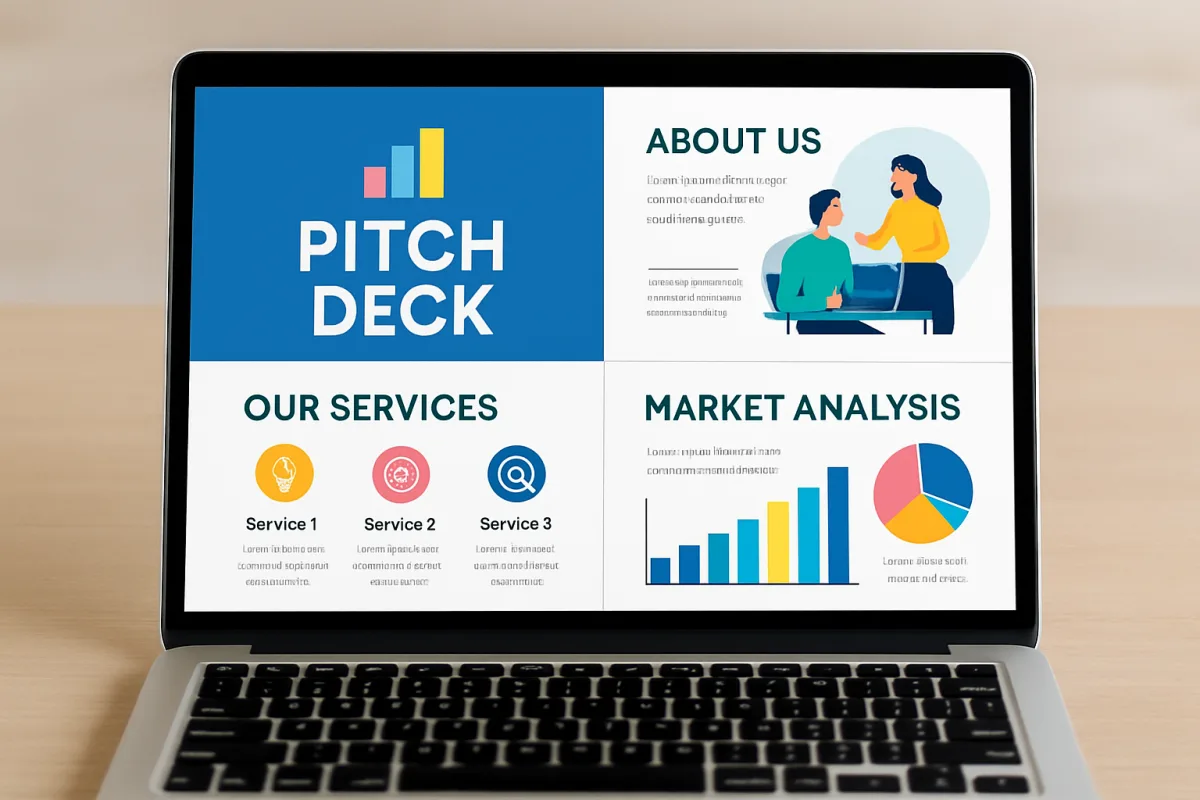
Creating a compelling pitch deck involves several key components. Start with a strong opening slide that captures attention, followed by a clear problem statement. Outline your solution, highlighting unique selling points. Include market analysis, business model, and financial projections. Conclude with a call to action, inviting questions or further discussion. Each slide should be visually engaging and concise, ensuring clarity and impact. Tailor your content to your audience, focusing on what matters most to them.
Quick Summary
A well-crafted pitch deck is essential for effectively communicating your business idea to potential investors. Focus on clarity and engagement by starting with a strong introduction and clearly defining the problem your business addresses. Highlight your unique solution, market opportunity, and financial projections. Each slide should be visually appealing and concise, allowing your audience to grasp key points quickly. Tailor your presentation to resonate with your specific audience, ensuring you address their interests and concerns.
Curator Notes
Crafting a pitch deck is an art that combines storytelling with strategic business insights. Begin with a captivating opening slide that not only introduces your company but also sets the tone for the presentation. This is your chance to hook your audience, so consider using an impactful image or a compelling statistic related to your industry.
Next, clearly articulate the problem your business aims to solve. This section is crucial; it should resonate with your audience's experiences or pain points. Use relatable examples or anecdotes to illustrate the significance of the problem, making it personal and urgent.
Following the problem statement, present your solution. Highlight what makes your offering unique and how it effectively addresses the identified problem. This is where you can showcase your product or service's features, benefits, and competitive advantages.
Use visuals to enhance understanding and retention. Market analysis is another critical component. Provide data on market size, growth potential, and target demographics.
This not only demonstrates the viability of your business but also shows that you have done your homework. Investors want to see that there is a substantial market opportunity. Your business model should outline how you plan to make money.
Be transparent about your pricing strategy, sales channels, and customer acquisition plans. This section should instill confidence in your audience regarding the sustainability of your business. Financial projections are essential for showcasing your business's potential.
Include key metrics such as revenue forecasts, profit margins, and break-even analysis. Be realistic and prepared to defend your numbers, as investors will scrutinize this information closely. Finally, conclude with a strong call to action.
Invite your audience to ask questions or engage in further discussions. This is your opportunity to build rapport and demonstrate your passion for the project. Remember, a pitch deck is not just about the slides; it's about the story you tell and the connections you make with your audience.
Throughout your presentation, keep design principles in mind. Use a consistent color scheme, readable fonts, and high-quality images. Avoid clutter and ensure each slide conveys a single idea clearly.
Practice your delivery to maintain a confident and engaging presence, as this can significantly impact how your message is received.
Recommended Options
- Canva: Best for Creating visually appealing pitch decks User-friendly interface with numerous templates and design tools. Signal checked: Widely used by entrepreneurs and startups for its ease of use and versatility. Alternative to consider: Microsoft PowerPoint for more traditional presentations.
- Pitch Deck Template by Slidebean: Best for Quickly generating professional pitch decks Automated design features that allow users to focus on content. Signal checked: Positive reviews from startups and entrepreneurs for saving time. Alternative to consider: Prezi for dynamic, non-linear presentations.
- Google Slides: Best for Collaborative pitch deck creation Real-time collaboration features and cloud storage. Signal checked: Popular among teams for its accessibility and ease of sharing. Alternative to consider: Keynote for Mac users seeking a more polished design.
Best Sources
Videos and Community Signals
See a much more recent version of this video here: https://youtu.be/jDPsZM82hC0 Create a Pitch Deck using our Templates ...
In this episode, I wanted to share my thoughts on what an investor really wants to see in your pitch presentation. If you want to ...
Comparison
| Decision Point | Good Starting Choice | When to Go Further |
|---|---|---|
| Ease of Use | Canva for simple, drag-and-drop design. | Slidebean for automated design assistance. |
| Collaboration Features | Google Slides for real-time teamwork. | Microsoft PowerPoint for extensive editing tools. |
| Design Flexibility | Canva for a variety of templates. | Prezi for unique presentation styles. |
FAQ
Aim for 10-15 slides to keep it concise and engaging.
Provide key metrics and a summary, but be prepared to discuss details if asked.
Yes, showcasing your team's expertise can build credibility.