How to Value a Small Business
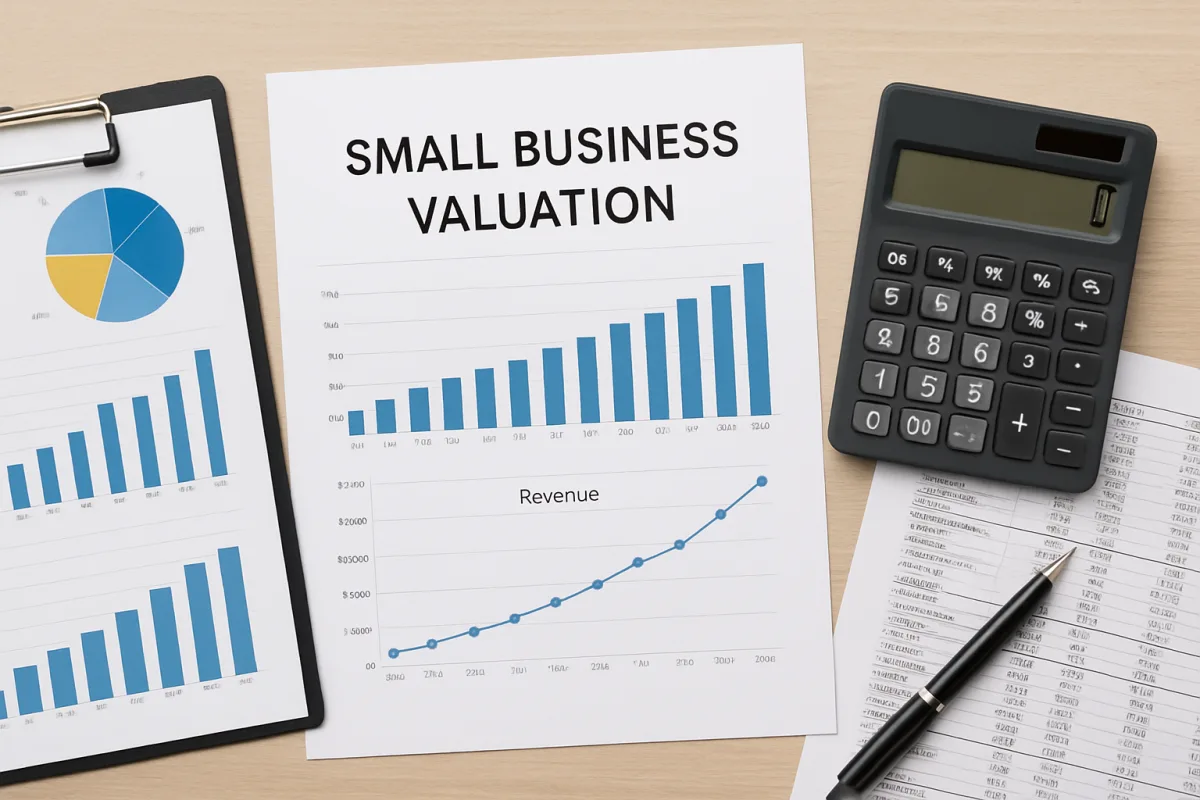
Valuing a small business involves several methods, including the income approach, market approach, and asset-based approach. The income approach focuses on the business's earning potential, while the market approach compares the business to similar companies. The asset-based approach evaluates the total value of the business's assets. Each method has its pros and cons, and the best choice depends on the business type and available data.
Quick Summary
To value a small business, consider methods like the income, market, and asset-based approaches. Each method offers unique insights based on earnings, market comparisons, or asset evaluations. Choosing the right method depends on the business's characteristics and available information.
Curator Notes
Valuing a small business is essential for various reasons, including selling, acquiring financing, or understanding its worth for personal knowledge. The three primary methods of valuation are the income approach, market approach, and asset-based approach. Each method has distinct advantages and is suited for different types of businesses.
The income approach is often favored for businesses with consistent revenue streams. This method calculates the present value of expected future cash flows, providing a clear picture of the business's earning potential. However, it requires accurate financial projections and may not be suitable for startups or businesses with fluctuating income.
The market approach compares the business to similar companies that have recently sold, offering a benchmark for valuation. This method is effective in industries with many comparable businesses but may not reflect unique aspects of the business being valued. Lastly, the asset-based approach focuses on the total value of the business's tangible and intangible assets.
This method is straightforward but can undervalue businesses with significant earning potential. Understanding these methods helps business owners make informed decisions about their enterprises.
Recommended Options
- BizEquity: Best for Small business owners seeking quick valuations Offers an online platform for business valuations with instant reports. Signal checked: Widely used by business brokers and financial advisors. Alternative to consider: ValuAdder
- ValuAdder: Best for Users needing detailed valuation reports and methodologies Provides comprehensive valuation tools and resources. Signal checked: Highly rated by users for its depth of analysis. Alternative to consider: BizEquity
- Business Valuation Resources (BVR): Best for Professionals needing extensive valuation databases Signal checked: Trusted by valuation professionals and experts. Alternative to consider: IBISWorld
Best Sources
Videos and Community Signals
In this video, Walker breaks down the key drivers of business value: growth and earnings. Sellers aim to maximize transaction ...
How do you determine the value of your business? TGG Founder & CEO, Matt Garrett explains a simple way to figure out the ...
Comparison
| Decision Point | Good Starting Choice | When to Go Further |
|---|---|---|
| Valuation Method | Income Approach for stable businesses | Market Approach for industry comparisons |
| Data Requirement | Basic financial statements | Detailed market analysis and projections |
| Best Use Case | Selling a business with steady income | Acquiring financing or investment |
FAQ
The income approach is often the most common method, as it focuses on the business's earning potential.
Consider your business type, available data, and the purpose of the valuation to choose the most suitable method.