How to Track Weight Loss Progress
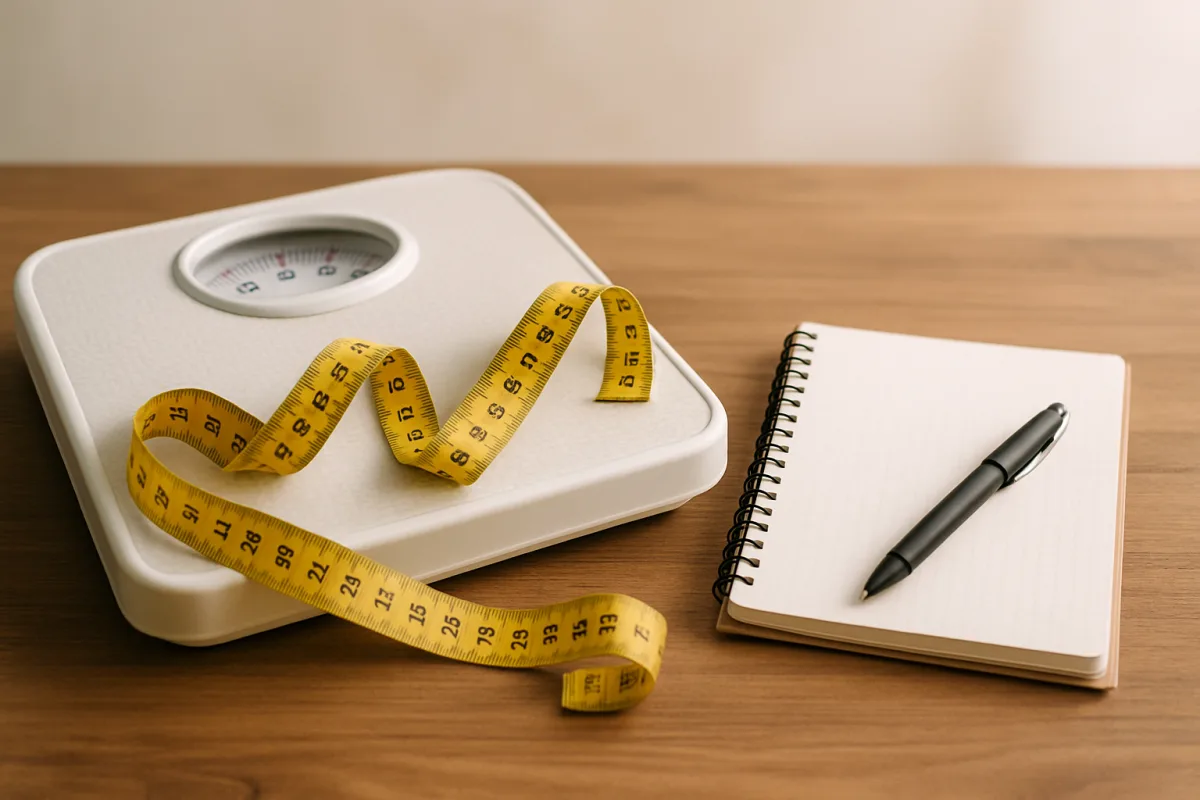
Tracking weight loss progress effectively involves a combination of methods that provide a comprehensive view of your journey. Start by regularly weighing yourself, ideally at the same time each day or week, to monitor changes. Additionally, consider taking body measurements, such as waist and hip circumference, to capture changes that the scale might not reflect. Keeping a food diary can also help you understand your eating habits and their impact on your weight. Using apps or fitness trackers can further enhance your tracking by providing insights into your activity levels and calorie intake. Ultimately, a combination of these methods will give you a clearer picture of your progress and help you stay motivated.
Quick Summary
To effectively track weight loss progress, utilize multiple methods for a well-rounded view. Weigh yourself consistently, take body measurements, and maintain a food diary to understand your habits. Fitness apps can also provide valuable insights into your activity levels. By combining these approaches, you can better assess your journey and stay motivated throughout the process.
Curator Notes
Tracking weight loss progress is essential for staying motivated and making informed adjustments to your diet and exercise routine. One of the most straightforward methods is regular weighing. Aim to weigh yourself at the same time each day or week, as fluctuations can occur due to various factors like water retention or muscle gain.
This consistency helps you identify trends over time rather than focusing on daily changes. In addition to weighing, taking body measurements can provide a more comprehensive view of your progress. Measure your waist, hips, and other key areas to track changes that the scale might not reflect.
Sometimes, individuals may lose inches while the scale remains the same, especially if they are gaining muscle. A food diary is another powerful tool. By logging what you eat, you can identify patterns in your eating habits and their impact on your weight.
This practice can help you make necessary adjustments, whether it’s reducing portion sizes or incorporating healthier options. Fitness apps and trackers can also enhance your tracking efforts. Many of these tools allow you to log your meals, track your exercise, and even monitor your water intake.
They often provide insights into your activity levels and calorie expenditure, which can be motivating and informative. It's important to remember that weight loss is not always linear. There will be periods of plateau or even slight weight gain, which can be discouraging.
Understanding that these fluctuations are normal can help you maintain a positive mindset. Lastly, consider setting specific, measurable goals. Instead of aiming to 'lose weight,' set a target like 'lose 5 pounds in the next month' or 'exercise for 30 minutes five times a week.' This clarity can help you stay focused and motivated.
In summary, a multi-faceted approach to tracking weight loss progress—combining regular weigh-ins, body measurements, food diaries, and fitness apps—will provide a clearer picture of your journey and help you stay on track toward your goals.
Recommended Options
- MyFitnessPal: Best for Individuals looking to track food intake and exercise. Offers a large food database and easy logging features. Signal checked: Highly rated with millions of downloads and positive user feedback. Alternative to consider: Lose It!
- Fitbit Charge 5: Best for Those who want to monitor physical activity and heart rate. Provides comprehensive health tracking features, including sleep and stress management. Signal checked: Popular among fitness enthusiasts with strong reviews. Alternative to consider: Garmin Vivosmart 4
- Body Measurement Tape: Best for Anyone wanting to track body measurements easily. Simple, affordable, and effective for tracking inches lost. Signal checked: Widely used and recommended in fitness communities. Alternative to consider: Caliper for body fat measurement
Best Sources
Videos and Community Signals
Want to work with me? Enquire for 1-2-1 Online Coaching: https://shannonbillowsfitness.com/online-coaching #shorts LET'S ...
If you want to lose fat & build muscle in a realistic way, sign up for my FREE 7 day Fitness Email Course (linked below): ...
Comparison
| Decision Point | Good Starting Choice | When to Go Further |
|---|---|---|
| Tracking Method | Regular weigh-ins for immediate feedback. | Combining weigh-ins with body measurements for a holistic view. |
| Tracking Tools | Using a simple notebook for food logging. | Employing an app like MyFitnessPal for detailed insights. |
| Goal Setting | Setting a general weight loss goal. | Establishing specific, measurable, and time-bound goals. |
FAQ
Weighing yourself once a week is generally recommended to avoid daily fluctuations.
Consider taking body measurements or reassessing your diet and exercise routine.
Yes, they can provide valuable insights and keep you accountable.