How to Store Crypto Offline
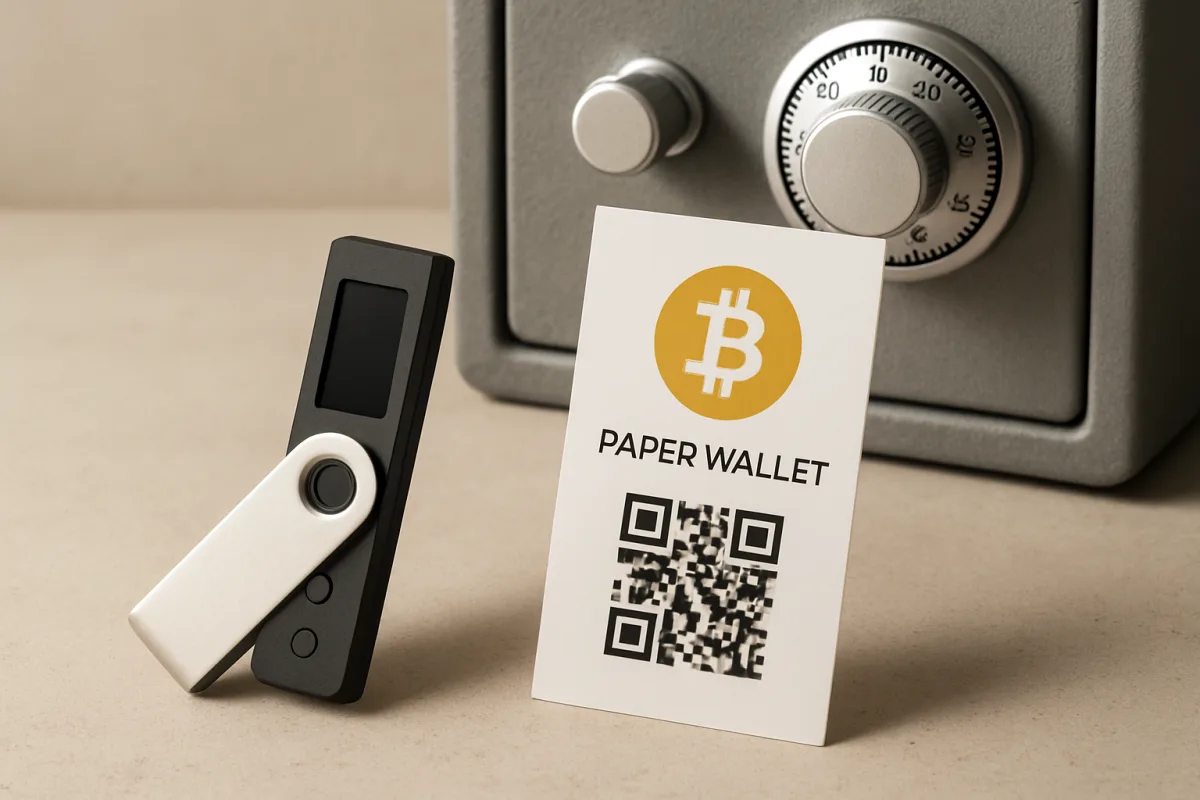
Storing crypto offline, also known as cold storage, is crucial for safeguarding your digital assets from hacks and theft. The most common methods include hardware wallets like Ledger and Trezor, paper wallets, and air-gapped computers. Each method has its pros and cons, such as ease of use, security level, and cost. For maximum security, consider using a hardware wallet, which provides a balance of accessibility and protection.
Quick Summary
To store crypto offline securely, consider methods like hardware wallets, paper wallets, or air-gapped computers. Each method varies in security, cost, and usability. Hardware wallets are generally the most recommended for their balance of security and convenience.
Curator Notes
Storing cryptocurrency offline is essential for protecting your assets from online threats. The most popular method is using hardware wallets, such as Ledger or Trezor. These devices store your private keys offline, making them less susceptible to hacking.
They are user-friendly and often come with additional security features, such as PIN codes and recovery phrases. However, they do require an initial investment and some technical knowledge to set up. Another option is a paper wallet, which involves printing your private keys and public addresses on paper.
This method is highly secure if done correctly, as it is completely offline. However, it can be less convenient for transactions, and if the paper is lost or damaged, your assets could be permanently inaccessible. Lastly, using an air-gapped computer—one that has never been connected to the internet—can also provide a secure way to store your crypto, but it requires more technical expertise and setup.
When choosing a method, consider factors such as your technical skills, the amount of crypto you hold, and how often you plan to access it. Each method has trade-offs in terms of security, convenience, and cost, so weigh these carefully before making a decision.
Recommended Options
- Ledger Nano X: Best for Users looking for a secure and portable option. Bluetooth capability allows for easy mobile access while maintaining security. Signal checked: Widely reviewed and recommended by crypto experts. Alternative to consider: Trezor Model T
- Trezor Model T: Best for Users wanting a touchscreen interface for easier navigation. Offers a user-friendly interface and supports a wide range of cryptocurrencies. Signal checked: Highly rated for security and ease of use. Alternative to consider: Ledger Nano S
- Paper Wallet: Best for Users looking for a cost-effective solution. Completely offline and free to create. Signal checked: Recommended for long-term storage without frequent access. Alternative to consider: Air-gapped computer
Best Sources
Videos and Community Signals
Friendly reminder...not your keys, not your coins! There are so many different hardware wallets you can store your crypto on, just ...
The Ledger Flex is one of my favorite cold wallets. Buy it using my link & get $10 in FREE Bitcoin: https://cyberscrilla.short.gy/oljVgI ...
Comparison
| Decision Point | Good Starting Choice | When to Go Further |
|---|---|---|
| Security Level | Paper Wallet | Hardware Wallet |
| Ease of Use | Hardware Wallet | Air-gapped Computer |
| Cost | Paper Wallet (Free) | Hardware Wallet (Initial Investment) |
FAQ
Cold storage refers to keeping cryptocurrency offline to protect it from hacking and theft.
Yes, hardware wallets are considered one of the safest methods for storing cryptocurrency.
Yes, if the paper is lost or damaged, you may permanently lose access to your crypto.