How to Stay Full Longer
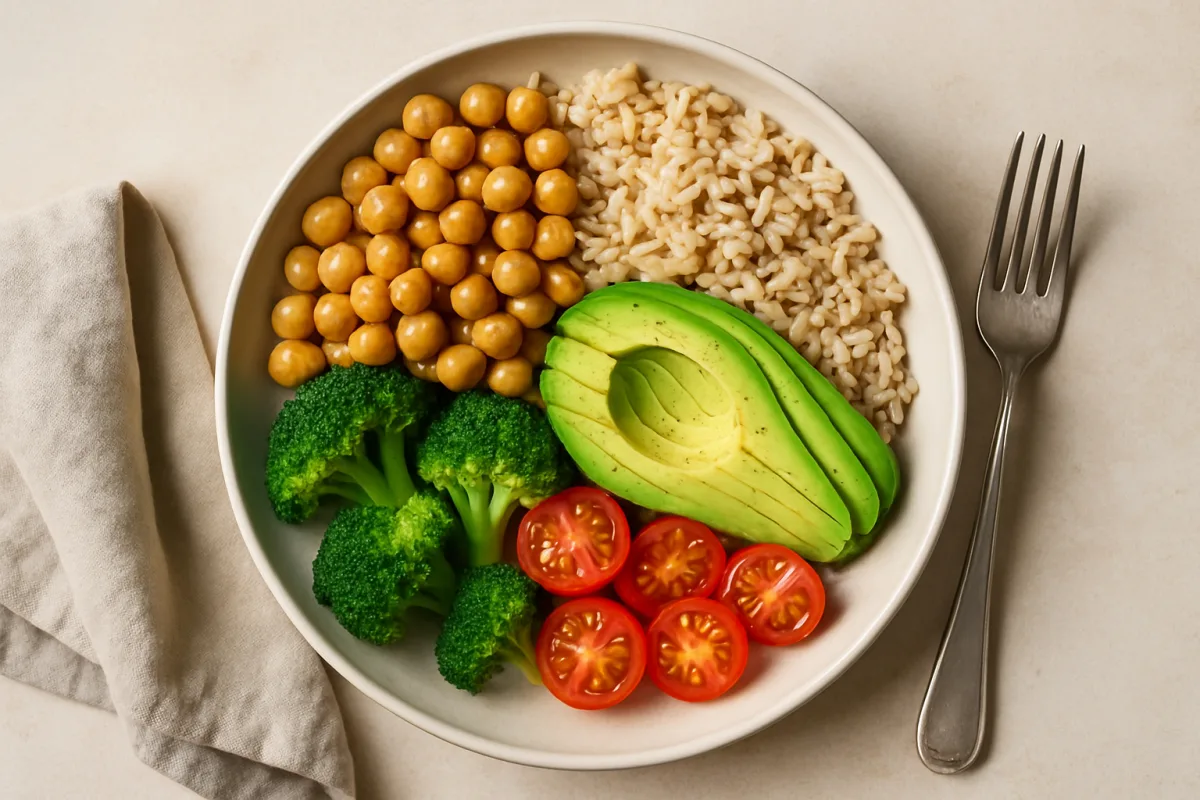
To stay full longer, focus on incorporating high-fiber foods, protein-rich options, and healthy fats into your meals. Foods like legumes, whole grains, lean meats, and avocados can help you feel satiated. Additionally, drinking plenty of water and eating smaller, more frequent meals can also contribute to prolonged fullness. These strategies are supported by nutritional research highlighting the importance of balanced macronutrients in managing hunger.
Quick Summary
Staying full longer can be achieved by consuming high-fiber foods, protein, and healthy fats. Incorporating legumes, whole grains, and lean meats into your diet, along with drinking water and eating smaller meals, can help manage hunger effectively.
Curator Notes
To effectively stay full longer, it's essential to focus on the types of foods you consume. High-fiber foods, such as fruits, vegetables, and whole grains, play a crucial role in promoting satiety. Fiber slows down digestion, which helps you feel full for a longer period.
Foods like beans, lentils, and oats are excellent sources of fiber that can be easily incorporated into meals. In addition to fiber, protein is another key player in hunger management. Including lean proteins like chicken, fish, eggs, and plant-based options such as tofu can enhance feelings of fullness.
Healthy fats, found in foods like avocados, nuts, and olive oil, also contribute to satiety and should not be overlooked. Lastly, staying hydrated and eating smaller, more frequent meals can help regulate hunger levels throughout the day.
Recommended Options
- Chia Seeds: Best for Individuals looking to increase fiber intake Chia seeds are rich in fiber and can absorb water, expanding in your stomach to promote fullness. Signal checked: High user ratings for satiety effects. Alternative to consider: Flaxseeds
- Greek Yogurt: Best for Those seeking a protein-rich snack Greek yogurt is high in protein and can be paired with fruits for added fiber. Signal checked: Popular among fitness enthusiasts for its satiety benefits. Alternative to consider: Cottage cheese
- Quinoa: Best for Individuals wanting a nutritious grain option Quinoa is a complete protein and high in fiber, making it filling and nutritious. Signal checked: Widely recommended by nutritionists. Alternative to consider: Brown rice
Best Sources
Videos and Community Signals
MY WEBSITE AND DIET PLANS▹ https://www.dietitianandreaurizar.com/ ABOUT ME▹ Hello there! My name is Andrea and ...
Work with me https://go.alexsolomin.com/as-appform ▻Use my calorie calculator https://calculator.alexsolomin.com ▻Get my ...
Comparison
| Decision Point | Good Starting Choice | When to Go Further |
|---|---|---|
| Fiber Content | Choose foods like fruits and vegetables. | Incorporate legumes and whole grains for higher fiber. |
| Protein Sources | Opt for lean meats or dairy. | Include plant-based proteins for variety and health benefits. |
| Meal Frequency | Eat three balanced meals a day. | Consider smaller, frequent meals to manage hunger better. |
FAQ
Foods high in fiber, protein, and healthy fats, such as legumes, lean meats, and avocados, help you feel full.
Eating smaller, more frequent meals can help manage hunger effectively.