How to Start Working Out
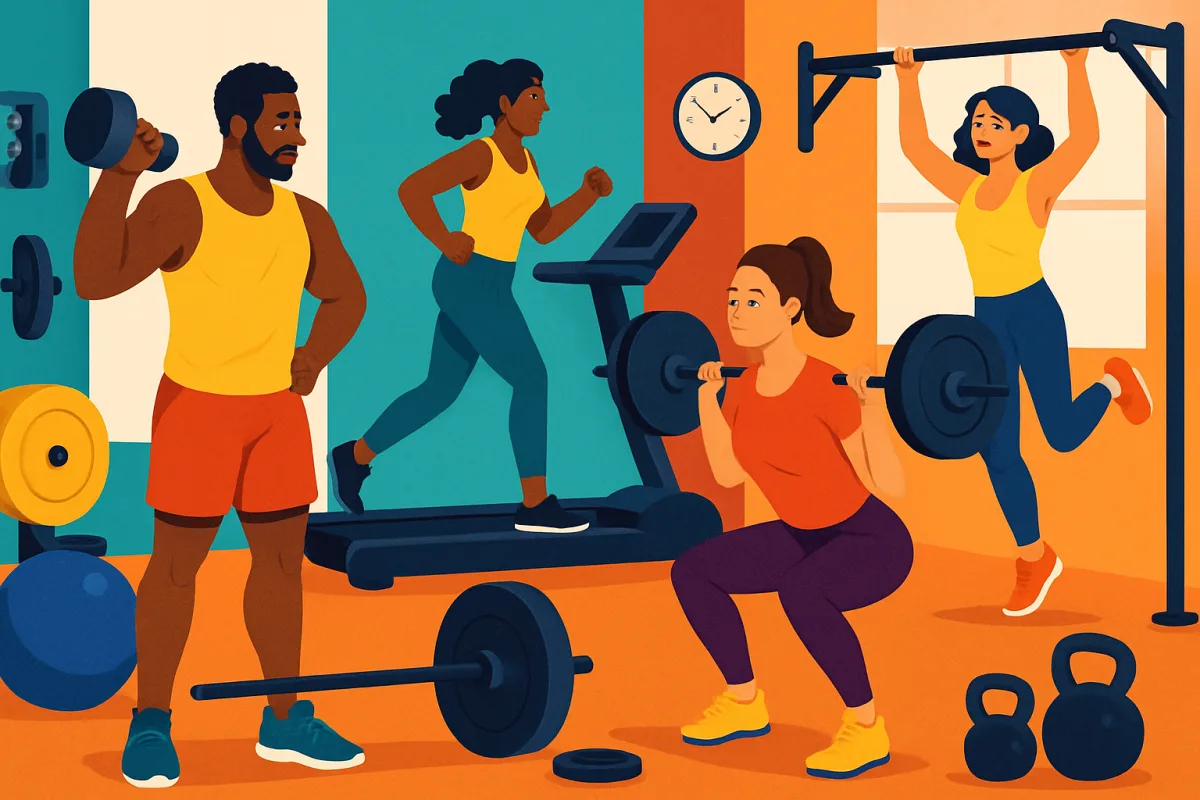
To start working out effectively, begin by setting clear goals, choosing the right type of exercise, and creating a balanced schedule. Focus on activities you enjoy to maintain motivation, and consider consulting a fitness professional for personalized guidance. Start with manageable workouts, gradually increasing intensity and duration to avoid burnout and injury.
Quick Summary
Starting a workout routine involves setting clear goals, selecting enjoyable exercises, and creating a balanced schedule. It's essential to begin with manageable workouts and gradually increase intensity. Consulting a fitness professional can provide personalized guidance.
Curator Notes
Starting a workout routine can be an exciting yet daunting task. The first step is to set clear, achievable goals. Whether you aim to lose weight, build muscle, or improve endurance, having specific targets will help you stay focused and motivated.
Write down your goals and track your progress to keep yourself accountable. Next, choose exercises that you enjoy. This could range from running, swimming, or cycling to group classes like yoga or Zumba.
Enjoyment is key to maintaining consistency. Additionally, create a balanced schedule that incorporates different types of workouts, including strength training, cardio, and flexibility exercises. This variety will help prevent boredom and reduce the risk of injury.
Lastly, consider consulting a fitness professional, especially if you're new to working out. They can provide personalized guidance tailored to your fitness level and goals. Start with manageable workouts and gradually increase the intensity and duration to avoid burnout and injury.
Remember, the journey to fitness is a marathon, not a sprint.
Recommended Options
- MyFitnessPal: Best for Tracking nutrition and workouts Offers a comprehensive food database and workout logging features. Signal checked: Highly rated with millions of downloads and positive user reviews. Alternative to consider: Lose It!
- Fitbit Charge 5: Best for Monitoring daily activity and workouts Provides heart rate monitoring, sleep tracking, and GPS. Signal checked: Popular among fitness enthusiasts with strong reviews. Alternative to consider: Garmin Vivosmart 4
- Nike Training Club: Best for Guided workouts for all fitness levels Offers a variety of workouts led by professional trainers. Signal checked: Widely used with positive feedback for its diverse workout options. Alternative to consider: FitOn
Best Sources
Videos and Community Signals
I hope that this video helps you! sorry for the time off from YouTube, life has been crazy and I'm now in the USA! Looking ...
Today I go back in time to when I NEVER stepped foot in the gym but with my current knowledge. How would I eat, train and stay ...
Comparison
| Decision Point | Good Starting Choice | When to Go Further |
|---|---|---|
| Goal Setting | Set simple, specific goals like 'exercise 3 times a week'. | Create SMART goals (Specific, Measurable, Achievable, Relevant, Time-bound) for better tracking. |
| Exercise Selection | Choose one or two activities you enjoy. | Incorporate a mix of cardio, strength, and flexibility workouts for a balanced routine. |
| Schedule Creation | Start with 20-30 minutes of exercise 3 times a week. | Gradually increase to 150 minutes of moderate-intensity exercise weekly. |
FAQ
Aim for at least 3 times a week, gradually increasing frequency as you build endurance.
Don't be too hard on yourself; just get back on track with your next scheduled workout.
Yes, warming up helps prepare your body for exercise and reduces the risk of injury.