How to Start a SaaS Business
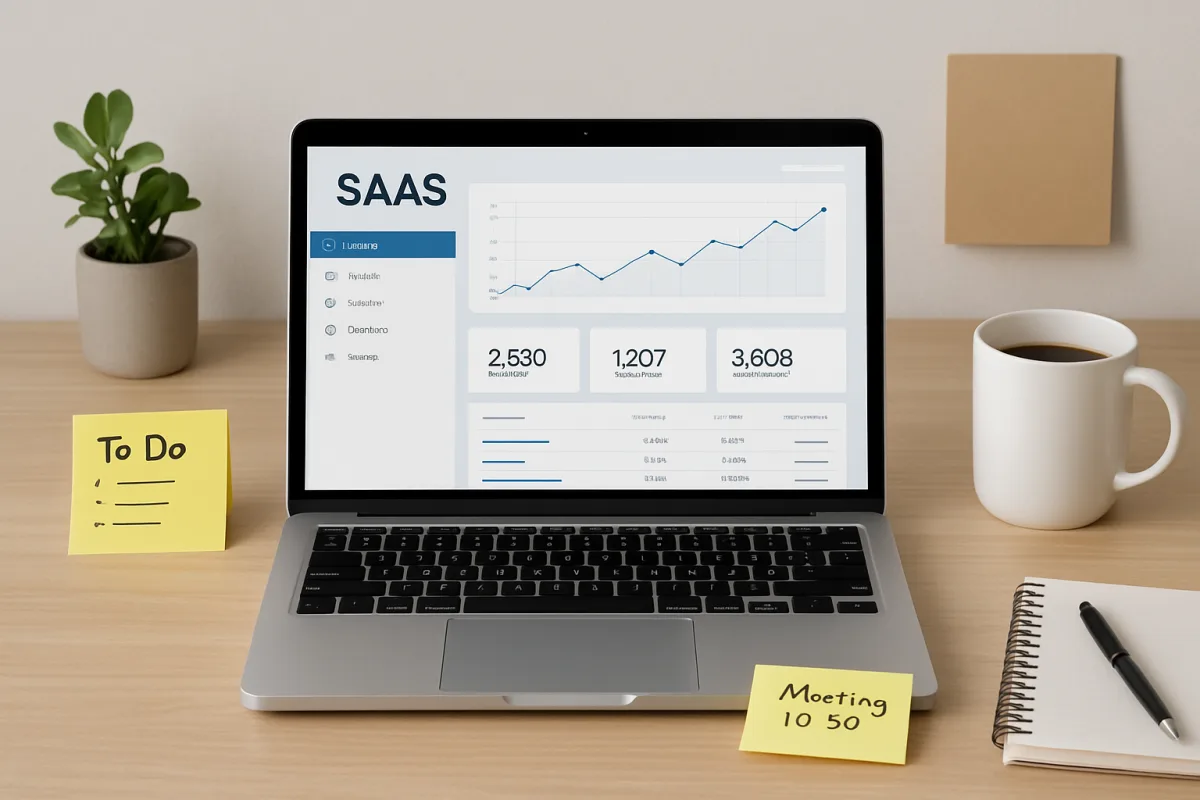
To start a SaaS business, begin by identifying a niche market with a specific problem to solve. Conduct thorough market research to validate your idea and understand your target audience. Next, develop a minimum viable product (MVP) to test your concept with real users. Choose a suitable technology stack and hosting solution, ensuring scalability and security. Finally, implement a marketing strategy that includes content marketing, SEO, and social media outreach to attract and retain customers. Continuous feedback and iteration are crucial for long-term success.
Quick Summary
Starting a SaaS business involves several critical steps that require careful planning and execution. First, identify a market need and validate your idea through research. Then, create a minimum viable product to test your concept. Selecting the right technology stack and hosting is essential for scalability. Finally, implement effective marketing strategies to attract customers. Continuous improvement based on user feedback is vital for growth and sustainability.
Curator Notes
Identifying a niche market is the first step in launching a successful SaaS business. Look for specific problems that potential customers face and consider how your software can provide a solution. This initial research phase is crucial; it helps you understand your audience and refine your value proposition.
Engaging with potential users through surveys or interviews can provide invaluable insights. Once you have a validated idea, the next step is to develop a minimum viable product (MVP). An MVP allows you to test your concept with minimal resources while gathering feedback from early adopters.
Focus on core features that address the primary pain points of your target audience. This iterative approach helps you avoid building unnecessary features that may not resonate with users. Choosing the right technology stack is another critical decision.
Consider factors like scalability, security, and ease of maintenance. Popular options include cloud platforms like AWS or Azure, which offer flexibility and robust infrastructure. Additionally, ensure that your software complies with relevant regulations, especially if you handle sensitive data.
Marketing your SaaS product effectively is essential for attracting and retaining customers. Develop a comprehensive marketing strategy that includes content marketing, SEO, and social media outreach. Building a strong online presence can help you reach your target audience and establish credibility in your niche.
Consider using webinars or free trials to showcase your product's value. Customer feedback should be an ongoing part of your development process. Regularly engage with users to understand their needs and pain points.
This feedback will guide your product improvements and feature updates, ensuring that you remain competitive in a rapidly evolving market. Lastly, be prepared for challenges. The SaaS landscape is competitive, and many startups fail due to poor market fit or lack of funding.
Having a clear business model and financial plan can help mitigate risks. Consider various pricing strategies, such as subscription models or tiered pricing, to maximize revenue while providing value to customers. In summary, starting a SaaS business requires a blend of market research, product development, and effective marketing strategies.
By focusing on user needs and continuously iterating based on feedback, you can build a sustainable and successful SaaS venture.
Recommended Options
- Stripe: Best for Payment processing for SaaS businesses Stripe offers a robust API and extensive documentation, making it easy to integrate payment solutions. Signal checked: Widely used by startups and established companies alike, with high customer satisfaction ratings. Alternative to consider: PayPal for simpler payment solutions.
- Amazon AWS: Best for Cloud hosting and infrastructure AWS provides scalable solutions and a wide range of services, ideal for growing SaaS applications. Signal checked: Market leader in cloud services with a vast customer base. Alternative to consider: Google Cloud Platform for similar services with different pricing models.
- HubSpot: Best for Marketing automation and CRM HubSpot offers a comprehensive suite of tools for inbound marketing and customer relationship management. Signal checked: Highly rated for user-friendliness and effectiveness in lead generation. Alternative to consider: Mailchimp for email marketing-focused solutions.
Best Sources
Videos and Community Signals
Subscribe to The Martell Method Newsletter: https://bit.ly/3XEBXez ▸▸ Message me "Cust Dev" on Instagram for my full list of ...
Want to know the real truth about SaaS? In this video I cover 5 critical SaaS fundamentals that can help you grow 7-figure ...
Comparison
| Decision Point | Good Starting Choice | When to Go Further |
|---|---|---|
| Market Research | Conduct surveys and interviews with potential users. | Utilize analytics tools to gather data on user behavior and preferences. |
| MVP Development | Focus on core features that solve a specific problem. | Incorporate user feedback loops for continuous improvement. |
| Technology Stack | Choose a simple, cost-effective solution like shared hosting. | Opt for cloud services that offer scalability and security. |
| Marketing Strategy | Use social media to promote your product. | Implement a multi-channel strategy including SEO, content marketing, and paid ads. |
FAQ
Identify a niche market and validate your idea through market research.
Customer feedback is crucial for product improvement and ensuring market fit.
Choose a stack that offers scalability, security, and ease of maintenance, such as AWS or Azure.
Implement a comprehensive marketing strategy that includes content marketing, SEO, and social media outreach.