How to Script a YouTube Video
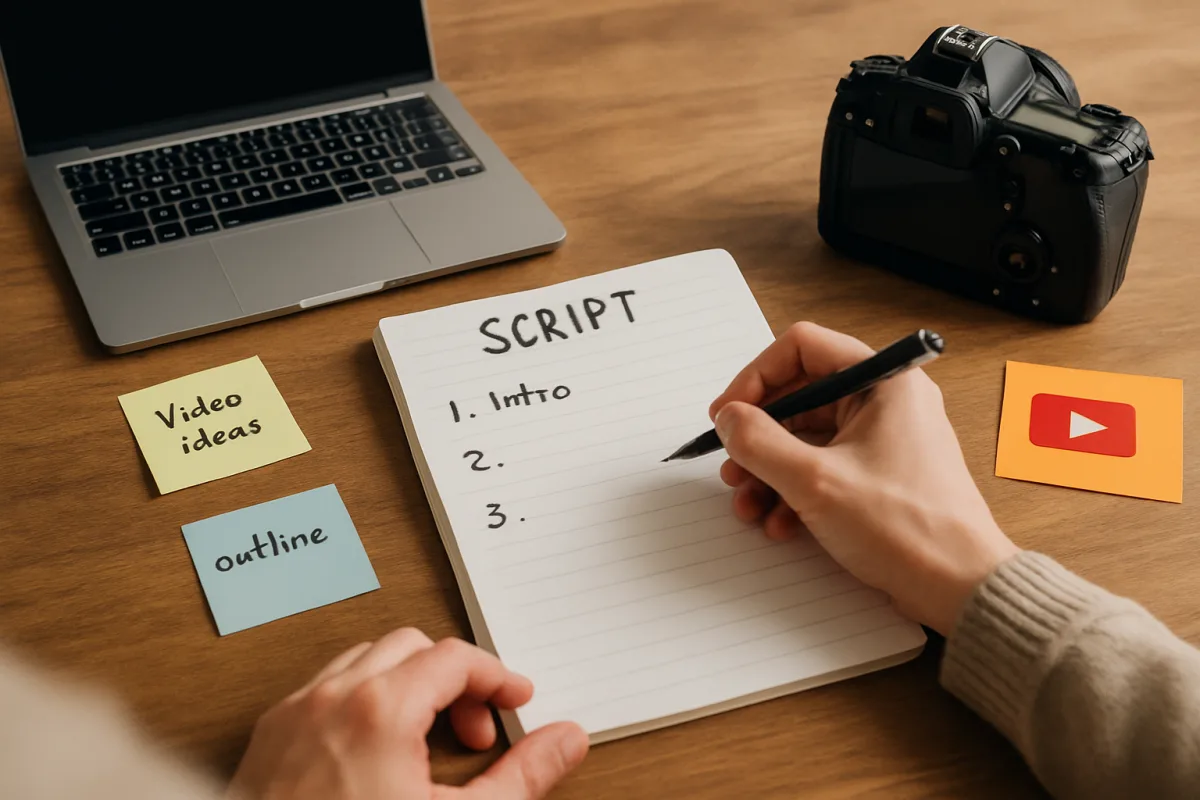
Scripting a YouTube video involves several key steps: defining your topic, outlining your content, writing a draft, and refining it. Start by identifying your audience and the message you want to convey. Create an outline to organize your thoughts and ensure a logical flow. Write a draft that includes engaging hooks, clear points, and a strong conclusion. Finally, revise your script to enhance clarity and impact, making sure it aligns with your video style.
Quick Summary
To script a YouTube video effectively, begin by defining your topic and audience. Outline your content to ensure a logical flow, then draft your script with engaging hooks and clear points. Revise for clarity and impact, ensuring it fits your video style.
Curator Notes
Creating a script for your YouTube video is essential for delivering a clear and engaging message. Start by defining your topic and understanding your target audience. This will help you tailor your content to their interests and needs.
Consider what you want to achieve with the video, whether it's to inform, entertain, or persuade. Next, outline your content. A well-structured outline will help you organize your thoughts and ensure a logical progression of ideas.
Break down your video into sections, such as an introduction, main points, and conclusion. This will make it easier to write your script and keep your audience engaged. Once your outline is ready, draft your script.
Focus on writing engaging hooks to capture attention and clear points that convey your message effectively. Use a conversational tone to make it relatable. After drafting, take the time to revise your script.
Look for areas to enhance clarity, improve flow, and ensure it aligns with your video style. This process is crucial for creating a polished final product that resonates with viewers.
Best Sources
Videos and Community Signals
How to structure and script your YouTube videos to make better YouTube Videos. Are you looking to improve the quality of your ...
YouTube automation could really change how people make YouTube videos. I found out that people are using AI to write their ...
Comparison
| Decision Point | Good Starting Choice | When to Go Further |
|---|---|---|
| Online booking | A simple booking page with service duration, staff assignment and confirmation emails. | Multi-location calendars, deposits, cancellation rules and waitlist handling. |
| Client records | Basic notes, visit history and contact details are enough to start. | Segmentation, purchase history, memberships, forms and before-after notes become more important. |
| Reminders | SMS or email reminders help reduce no-shows without adding admin work. | Automated rebooking, follow-up campaigns and missed-appointment recovery matter more. |
| Payments | Card capture and checkout should be simple and transparent. | Packages, memberships, staff commissions, tips and refunds need cleaner reporting. |
| Marketing | Light email or SMS campaigns are useful if they are easy to run. | Automated win-back, birthday offers, review requests and audience segments create more leverage. |
FAQ
Begin with a strong hook that grabs attention, followed by a brief introduction of the topic and what viewers can expect.
The length depends on the video's purpose, but a typical script for a 10-minute video is around 1,200 to 1,500 words.
It's often better to write a loose script or outline to maintain a natural delivery, rather than memorizing every word.