How to Scale a Shopify Store
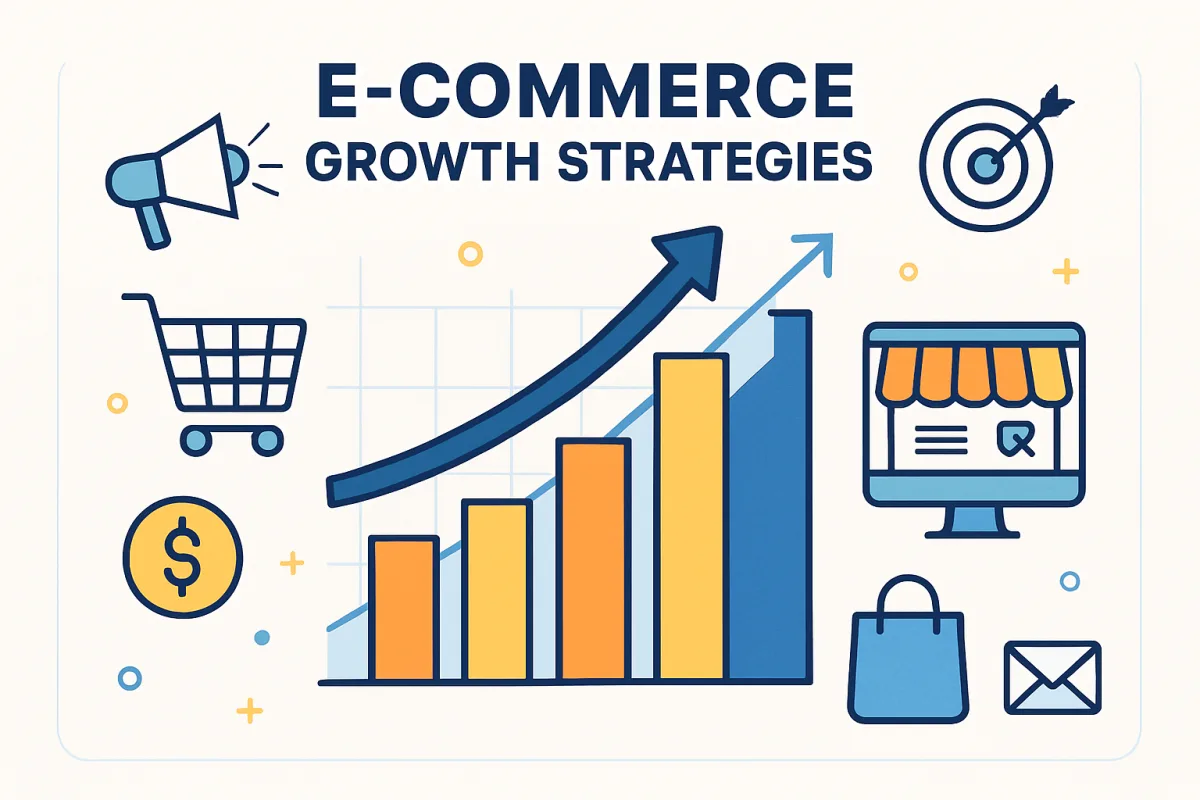
Scaling a Shopify store effectively requires a multi-faceted approach. Focus on optimizing your product offerings, enhancing your marketing strategies, and improving customer experience. Utilize analytics to understand customer behavior and inventory management. Consider integrating apps for automation and efficiency, and explore various sales channels to reach a broader audience. Building a strong brand presence and leveraging social proof through reviews can also significantly impact growth. Each of these strategies contributes to a sustainable increase in sales and customer loyalty.
Quick Summary
To scale a Shopify store, prioritize optimizing product offerings, enhancing marketing strategies, and improving customer experience. Use analytics for insights, integrate automation apps, and explore multiple sales channels. Building a strong brand presence and leveraging customer reviews can significantly boost growth. Each approach contributes to sustainable sales increases and customer loyalty.
Curator Notes
Scaling a Shopify store involves several strategic steps that can lead to increased sales and customer retention. Start by optimizing your product offerings. This means analyzing which products are performing well and which are not.
Use Shopify's built-in analytics to track sales data and customer preferences, allowing you to make informed decisions about inventory and product displays. Consider seasonal trends and customer feedback to refine your offerings continually. Next, enhance your marketing strategies.
Invest in targeted advertising through platforms like Facebook and Google Ads. These platforms allow for precise audience targeting, which can lead to higher conversion rates. Additionally, consider content marketing and SEO to attract organic traffic.
Quality blog posts and engaging social media content can help establish your brand as an authority in your niche. Improving customer experience is crucial for scaling. Ensure that your website is user-friendly and mobile-optimized.
A seamless checkout process can reduce cart abandonment rates. Implementing live chat support can also enhance customer satisfaction by providing immediate assistance. Don’t underestimate the power of customer reviews; they can significantly influence potential buyers.
Integrating automation apps can streamline operations. Tools like Oberlo for dropshipping or Klaviyo for email marketing can save time and improve efficiency. These apps help manage inventory, automate marketing campaigns, and analyze customer data, allowing you to focus on growth strategies.
Exploring multiple sales channels is another effective method for scaling. Consider selling on platforms like Amazon, eBay, or social media marketplaces. This not only increases your reach but also diversifies your revenue streams.
Each channel has its own audience, so tailor your approach accordingly. Finally, building a strong brand presence is essential. Invest in branding elements like a professional logo, consistent color schemes, and a clear brand message.
Engage with your audience through social media and encourage user-generated content. This not only builds trust but also fosters a community around your brand, which can lead to repeat customers. In summary, scaling a Shopify store requires a holistic approach that combines product optimization, effective marketing, enhanced customer experience, automation, multi-channel selling, and strong branding.
Each of these elements plays a critical role in driving growth and ensuring long-term success.
Recommended Options
- Oberlo: Best for Dropshipping businesses looking to automate product sourcing. Oberlo simplifies the dropshipping process by allowing users to import products directly into their Shopify store. Signal checked: Highly rated in the Shopify app store with numerous positive reviews. Alternative to consider: Spocket, which focuses on sourcing products from suppliers in the US and EU.
- Klaviyo: Best for E-commerce businesses wanting to enhance email marketing. Klaviyo offers advanced segmentation and automation features tailored for e-commerce. Signal checked: Widely used by successful Shopify stores, with strong testimonials from users. Alternative to consider: Mailchimp, which is more general but offers robust email marketing tools.
- Shopify Plus: Best for High-volume merchants needing advanced features. Shopify Plus provides enhanced scalability, customization, and support. Signal checked: Used by large brands like Gymshark and Allbirds, indicating its capability. Alternative to consider: BigCommerce, which also offers enterprise-level solutions.
Best Sources
Videos and Community Signals
Ready to build your business for just $1? Start your Foundr+ $1 trial http://www.foundr.com/startdollartrial Foundr+ is your ...
Install UpPromote and get 20% OFF: https://bit.ly/eca-uppromote I've found a strategy that grows your shopify store without relying ...
Comparison
| Decision Point | Good Starting Choice | When to Go Further |
|---|---|---|
| Marketing Strategy | Basic social media ads for initial reach. | Advanced targeted ads with A/B testing for optimized conversions. |
| Customer Support | Email support for basic inquiries. | Live chat and 24/7 support for immediate customer assistance. |
| Sales Channels | Selling solely on Shopify. | Multi-channel selling across Amazon, eBay, and social media. |
FAQ
Utilize SEO, content marketing, and targeted ads to drive traffic. Engaging with your audience on social media also helps.
Focus on enhancing user experience, optimizing product pages, and implementing effective marketing strategies.
Yes, apps like Oberlo and Klaviyo can significantly streamline operations and enhance marketing efforts.