How to Reduce Stress Naturally
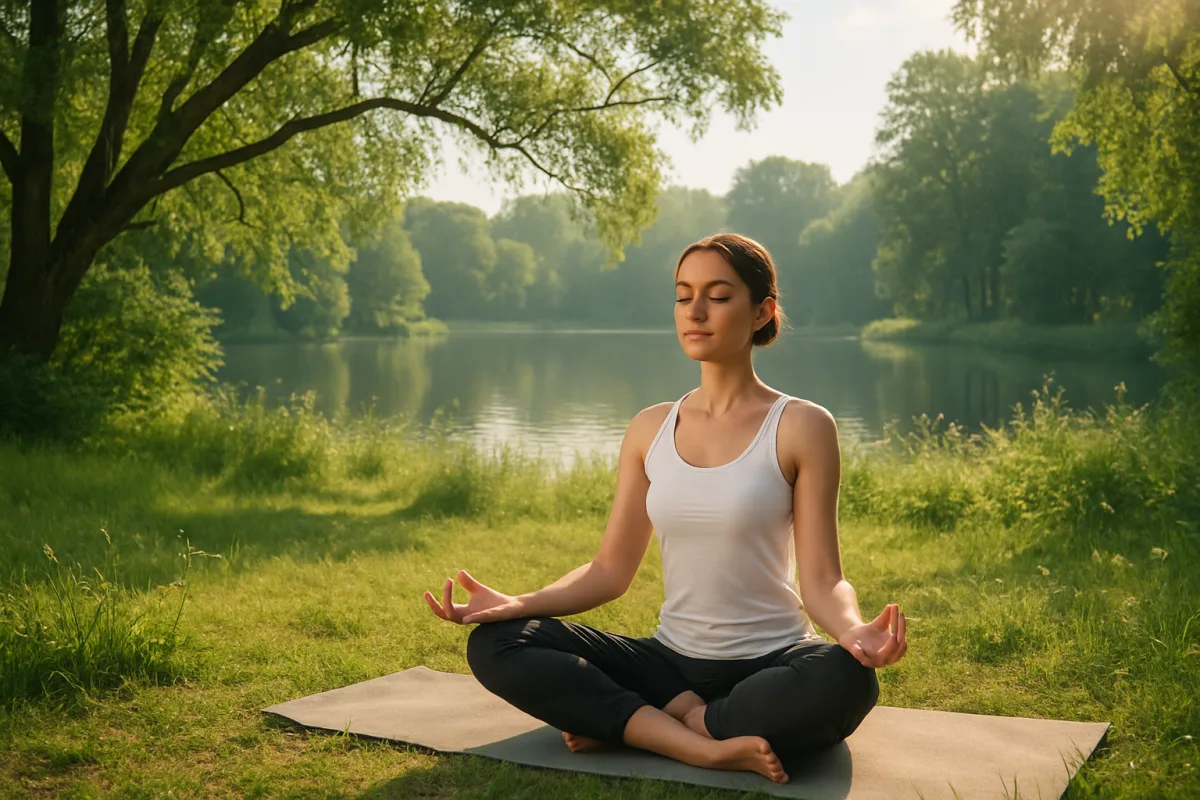
Reducing stress naturally can be achieved through various methods such as regular exercise, mindfulness practices, and a balanced diet. Engaging in physical activities like yoga or running can release endorphins, which help improve mood. Mindfulness techniques, including meditation and deep-breathing exercises, can enhance emotional resilience. Additionally, consuming a diet rich in whole foods and omega-3 fatty acids can support overall mental health. Each of these methods offers unique benefits and can be tailored to individual preferences.
Quick Summary
Natural stress reduction techniques include exercise, mindfulness, and a healthy diet. Activities like yoga and meditation can improve mood and emotional resilience. A balanced diet supports mental health, making these methods effective for managing stress.
Curator Notes
Reducing stress naturally involves a holistic approach that encompasses physical, mental, and nutritional strategies. Regular exercise, such as yoga, running, or even brisk walking, can significantly boost your mood by releasing endorphins, which are known as 'feel-good' hormones. These activities not only improve physical health but also enhance mental clarity and emotional stability, making them essential for stress management.
Mindfulness practices, including meditation and deep-breathing exercises, are effective tools for reducing anxiety and promoting relaxation. These techniques help individuals develop emotional resilience, allowing them to cope better with stressors. Incorporating mindfulness into your daily routine can lead to long-term benefits, including improved focus and a more positive outlook on life.
Lastly, a balanced diet rich in whole foods, fruits, vegetables, and omega-3 fatty acids can support mental health. Foods like salmon, walnuts, and flaxseeds are known to have mood-boosting properties. By combining these methods, individuals can create a personalized stress reduction plan that aligns with their lifestyle and preferences.
Recommended Options
- Headspace Inc. Headspace: Best for Individuals seeking guided meditation Offers a user-friendly app with a variety of meditation techniques and programs. Signal checked: Highly rated with over 65 million downloads and positive user reviews. Alternative to consider: Calm
- YouTube Channel Yoga with Adriene: Best for Beginners looking for accessible yoga practices Provides free, high-quality yoga videos for all levels. Signal checked: Over 12 million subscribers and a strong community following. Alternative to consider: Alo Moves
Best Sources
Videos and Community Signals
At times, we can feel stress and anxiety reach new levels. You may have felt overwhelmingly stressed that you wouldn't turn in an ...
A community discussing various methods to manage stress.
Original sourceComparison
| Decision Point | Good Starting Choice | When to Go Further |
|---|---|---|
| Exercise Type | Walking or light jogging for beginners | Yoga or high-intensity workouts for experienced individuals |
| Mindfulness Practice | 5-minute deep-breathing exercises | 20-minute guided meditation sessions |
| Dietary Focus | Incorporating more fruits and vegetables | Adding omega-3 rich foods like fish and nuts |
FAQ
Aerobic exercises like running, swimming, and yoga are effective for reducing stress as they release endorphins and improve mood.
Practicing mindfulness for at least 10-20 minutes daily can significantly help in managing stress.