How to Reduce Pet Anxiety
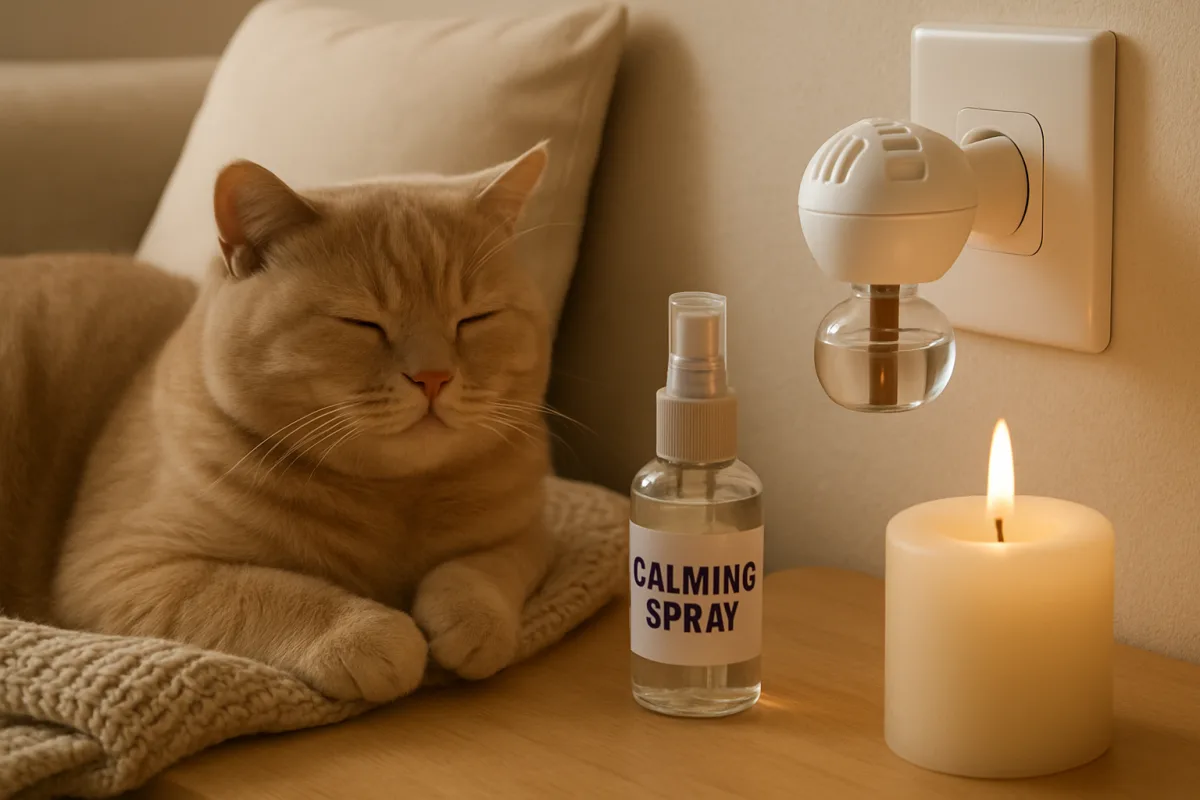
To effectively reduce pet anxiety, consider creating a safe space for your pet, using calming products like pheromone diffusers, and establishing a consistent routine. Behavioral training can also help alleviate anxiety by teaching your pet coping mechanisms. Additionally, regular exercise and mental stimulation are crucial for reducing stress levels. Always consult with a veterinarian for personalized advice and potential medication options if anxiety persists.
Quick Summary
Reducing pet anxiety involves a multi-faceted approach. Start by creating a safe environment and using calming aids such as pheromone diffusers. Establishing a consistent routine can provide stability, while regular exercise and mental stimulation help alleviate stress. Behavioral training is also beneficial, teaching pets how to cope with anxiety. For persistent issues, consulting a veterinarian for tailored advice is essential.
Curator Notes
Creating a safe space for your pet is the first step in reducing anxiety. This could be a cozy corner with their favorite blanket and toys, where they can retreat when feeling stressed. Make sure this area is quiet and away from household noise, allowing your pet to feel secure and relaxed.
The importance of a safe environment cannot be overstated, as it gives your pet a sense of control over their surroundings. Calming products can also play a significant role. Pheromone diffusers, which mimic the calming scents produced by mother dogs, can help soothe anxious pets.
Additionally, consider anxiety wraps or calming collars that apply gentle pressure, similar to swaddling a baby. While these products can be effective, results may vary, so it’s wise to monitor your pet's response. Establishing a consistent routine is crucial for pets, as unpredictability can heighten anxiety.
Regular feeding times, walks, and play sessions create a sense of stability. Pets thrive on routine, and knowing what to expect can significantly reduce their stress levels. Incorporate training sessions into this routine to reinforce positive behaviors and build confidence.
Exercise is another vital component. Regular physical activity not only helps burn off excess energy but also releases endorphins that promote a sense of well-being. Tailor the exercise to your pet's needs; for example, high-energy dogs may require longer walks or play sessions, while older pets might benefit from shorter, more frequent outings.
Mental stimulation through puzzle toys or training games can also keep their minds engaged and reduce anxiety. Behavioral training is effective in teaching pets how to cope with anxiety triggers. Techniques such as desensitization and counter-conditioning can help pets gradually adjust to situations that cause stress.
Consulting a professional trainer or animal behaviorist can provide personalized strategies tailored to your pet's specific needs. If anxiety persists despite these efforts, consulting a veterinarian is essential. They can assess your pet's condition and recommend appropriate treatments, which may include medication or specialized therapies.
It's important to approach this option with care, ensuring any treatment plan is well-suited to your pet's individual situation. In summary, reducing pet anxiety requires a combination of environmental adjustments, calming products, routine establishment, exercise, and behavioral training. Each pet is unique, so it may take time to find the right mix of strategies that work for your furry friend.
Recommended Options
- Adaptil Calm Home Diffuser: Best for Dogs experiencing anxiety due to changes in environment or routine. Mimics natural pheromones to create a calming effect. Signal checked: Widely recommended by veterinarians and pet owners for effectiveness. Alternative to consider: ThunderShirt for anxiety relief through gentle pressure.
- Feliway Classic Diffuser: Best for Cats that show signs of stress or anxiety. Uses synthetic feline facial pheromones to help cats feel more secure. Signal checked: High ratings from cat owners for reducing stress-related behaviors. Alternative to consider: Calming collars for cats that provide a similar effect.
- PetSafe Busy Buddy Twist 'n Treat: Best for Dogs needing mental stimulation to alleviate anxiety. Adjustable difficulty level keeps pets engaged longer. Signal checked: Popular among dog trainers for its effectiveness in distraction. Alternative to consider: KONG Classic Dog Toy for a similar purpose.
Best Sources
Videos and Community Signals
Have you been dealing with separation anxiety with your dog and are not sure how to deal with the problem? This is a major issue ...
Joel Beckman goes through the causes and cures for separation Anxiety. He's developed his method from many years of helping ...
Comparison
| Decision Point | Good Starting Choice | When to Go Further |
|---|---|---|
| Calming Products | Pheromone diffusers for general anxiety relief. | Anxiety wraps for more severe cases requiring physical comfort. |
| Routine Establishment | Consistent feeding and walking schedules. | Incorporating training sessions for behavioral reinforcement. |
| Exercise | Daily walks for energy release. | Structured playtime with interactive toys for mental engagement. |
FAQ
Common signs include excessive barking, destructive behavior, hiding, and changes in eating habits.
Yes, medication can be effective for severe anxiety, but it should be prescribed by a veterinarian.
Improvements can vary; some pets may show changes within days, while others may take weeks.