How to Reduce Monthly Expenses
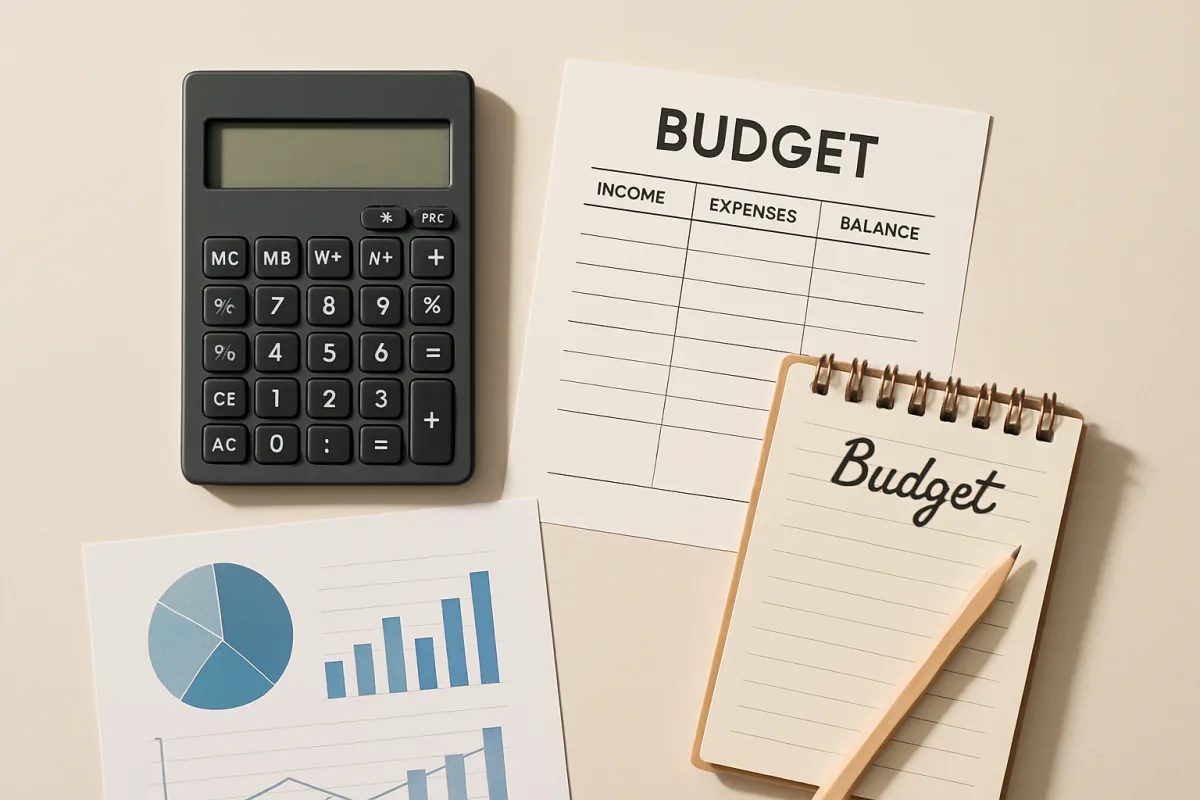
To reduce monthly expenses, start by tracking your spending to identify areas where you can cut back. Consider eliminating unnecessary subscriptions, negotiating bills, and shopping smarter by using coupons or buying in bulk. Additionally, evaluate your housing costs and transportation expenses, as these are often the largest monthly outlays. Implementing these strategies can lead to significant savings over time.
Quick Summary
Reducing monthly expenses involves tracking spending, cutting unnecessary costs, negotiating bills, and making smarter shopping choices. Key areas to focus on include subscriptions, housing, and transportation. By implementing these strategies, you can achieve substantial savings.
Curator Notes
The first step in reducing monthly expenses is to track your spending meticulously. Use budgeting apps or spreadsheets to categorize your expenses and identify where your money is going. This visibility allows you to pinpoint areas where you can cut back, such as dining out or impulse purchases.
Next, evaluate your subscriptions and memberships. Many people pay for services they rarely use, such as streaming platforms or gym memberships. Canceling these can free up a significant amount of cash each month.
Additionally, consider negotiating bills for services like internet or insurance; many companies are willing to lower rates for loyal customers. Shopping smarter can also contribute to savings. Use coupons, buy in bulk, and take advantage of sales.
Furthermore, assess your housing situation—if you're renting, consider moving to a less expensive area or negotiating your rent. For homeowners, refinancing your mortgage could lower monthly payments. Lastly, review your transportation costs; carpooling or using public transport can lead to substantial savings.
Recommended Options
- YNAB (You Need A Budget): Best for Individuals looking to gain control over their finances YNAB provides a proactive approach to budgeting, helping users allocate every dollar effectively. Signal checked: Highly rated by users for its educational resources and community support. Alternative to consider: Mint
- Truebill: Best for Those wanting to manage subscriptions and negotiate bills Truebill automates the tracking of subscriptions and can negotiate bills on your behalf. Signal checked: Positive reviews highlight its effectiveness in saving users money. Alternative to consider: Trim
- Rakuten: Best for Savvy shoppers looking for cashback on purchases Offers cashback on purchases from a wide range of retailers, making shopping more economical. Signal checked: Widely used with millions of users benefiting from cashback rewards. Alternative to consider: Ibotta
Best Sources
Videos and Community Signals
Go to our partner https://mintmobile.com/underthemedian (affiliate link) to get premium wireless for as low as $15 a month - sign ...
Create a free budget. Sign up for EveryDollar today! ⮕ https://ter.li/gbb4v8 For more motivation, watch my video on “Is Buying ...
Comparison
| Decision Point | Good Starting Choice | When to Go Further |
|---|---|---|
| Tracking expenses | Use a simple spreadsheet or pen and paper. | Adopt a budgeting app like YNAB for comprehensive tracking. |
| Negotiating bills | Contact service providers directly. | Use a service like Truebill to automate negotiations. |
| Shopping smarter | Use coupons and shop sales. | Utilize cashback services like Rakuten for additional savings. |
FAQ
Subscriptions, dining out, and entertainment are often the easiest expenses to reduce.
Using budgeting apps like YNAB or Mint can help you track and categorize your spending efficiently.
Yes, many companies are willing to lower rates for loyal customers, which can lead to significant savings.