How to Reduce Late Night Snacking
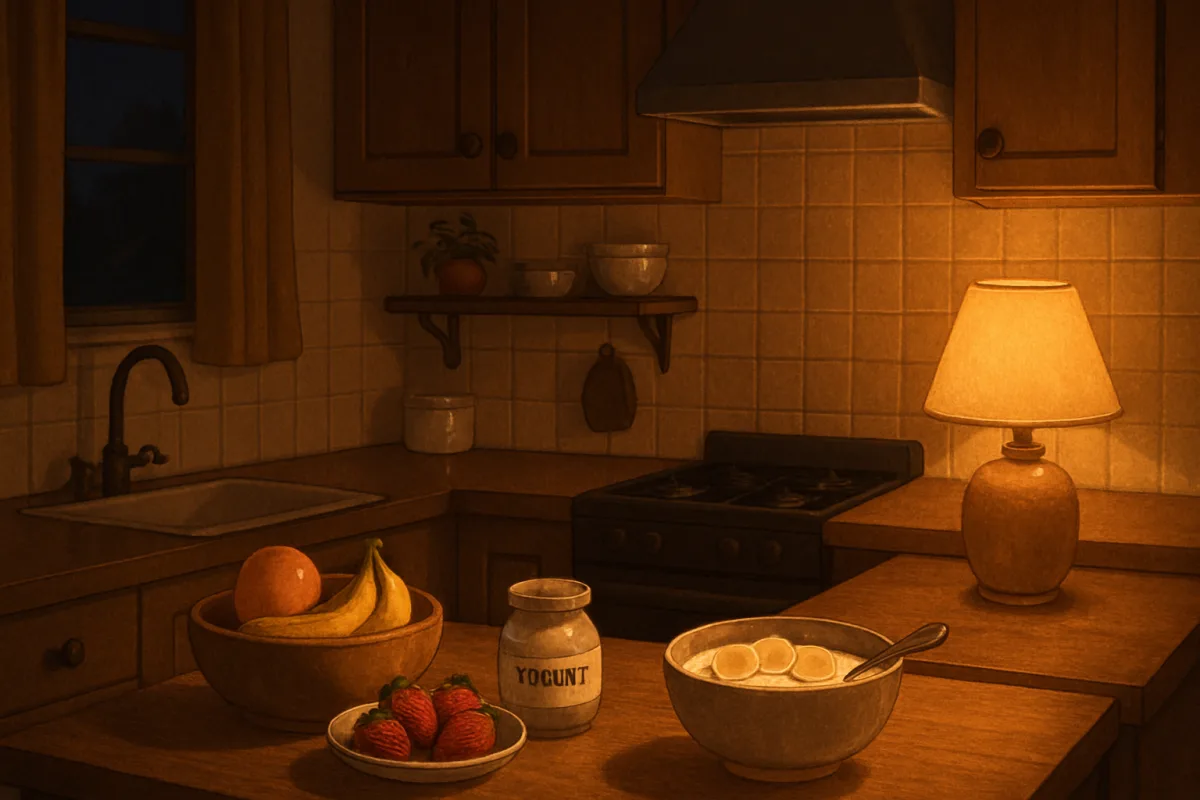
To effectively reduce late-night snacking, start by identifying triggers such as boredom or stress. Establish a routine that includes a satisfying dinner to curb hunger later. Consider healthier snack alternatives like fruits or yogurt if cravings arise. Keeping snacks out of sight can also help minimize temptation. Additionally, practicing mindfulness techniques can assist in recognizing true hunger versus emotional eating. Finally, ensure adequate sleep, as fatigue can lead to increased cravings.
Quick Summary
Reducing late-night snacking involves understanding your triggers and establishing healthier habits. Start by ensuring a filling dinner, which can help stave off hunger later. If cravings persist, opt for healthier snacks like fruits or yogurt. Mindfulness techniques can also aid in distinguishing between emotional cravings and genuine hunger. Keeping snacks out of sight and prioritizing good sleep can further support your efforts to snack less at night.
Curator Notes
Late-night snacking is often driven by emotional triggers such as stress, boredom, or habit. Recognizing these triggers is the first step toward managing them. Keeping a food diary can help you identify patterns in your eating habits and pinpoint when and why you tend to snack at night.
This awareness can empower you to make more conscious choices about your eating behavior. A key strategy is to ensure that your dinner is satisfying and balanced. Including proteins, healthy fats, and fiber can help keep you full longer, reducing the likelihood of late-night cravings.
If you find yourself hungry later in the evening, consider healthier snack options. Fruits, Greek yogurt, or a small handful of nuts can satisfy cravings without leading to excessive calorie intake. Another effective approach is to practice mindfulness.
Techniques such as meditation or deep breathing can help you become more aware of your cravings and differentiate between physical hunger and emotional eating. This awareness can help you resist the urge to snack when it’s not truly necessary. Keeping snacks out of sight is also a practical tactic.
If you don’t have easy access to unhealthy snacks, you’re less likely to indulge. Instead, stock your kitchen with healthier options that you can enjoy without guilt. This simple change can significantly reduce the temptation to snack mindlessly.
Sleep plays a crucial role in regulating hunger hormones. Lack of sleep can lead to increased cravings and poor food choices. Prioritizing good sleep hygiene—such as maintaining a consistent sleep schedule and creating a restful environment—can help mitigate late-night snacking urges.
Lastly, consider setting a specific time to stop eating in the evening. Establishing a cut-off time can help you develop a routine that signals to your body that it’s time to wind down for the night, reducing the likelihood of late-night snacking. In summary, reducing late-night snacking is achievable through a combination of understanding your triggers, ensuring adequate nutrition during the day, practicing mindfulness, and creating a conducive environment for healthy habits.
By implementing these strategies, you can take control of your late-night eating habits and support your weight loss goals.
Best Sources
Videos and Community Signals
When the chores of the day are done, food feels like a reward and a desirable way to pass the hours till bed. But, snacking ...
Author and nutrition expert Dr. Amy Shah shares hunger hacks to help control cravings including getting sunlight to help you feel ...
Comparison
| Decision Point | Good Starting Choice | When to Go Further |
|---|---|---|
| Online booking | A simple booking page with service duration, staff assignment and confirmation emails. | Multi-location calendars, deposits, cancellation rules and waitlist handling. |
| Client records | Basic notes, visit history and contact details are enough to start. | Segmentation, purchase history, memberships, forms and before-after notes become more important. |
| Reminders | SMS or email reminders help reduce no-shows without adding admin work. | Automated rebooking, follow-up campaigns and missed-appointment recovery matter more. |
| Payments | Card capture and checkout should be simple and transparent. | Packages, memberships, staff commissions, tips and refunds need cleaner reporting. |
| Marketing | Light email or SMS campaigns are useful if they are easy to run. | Automated win-back, birthday offers, review requests and audience segments create more leverage. |
FAQ
Healthy options include fruits, Greek yogurt, nuts, or air-popped popcorn.
Practicing mindfulness and identifying triggers can help reduce emotional eating.
Yes, insufficient sleep can lead to increased cravings and poor food choices.