How to Price Products for Profit
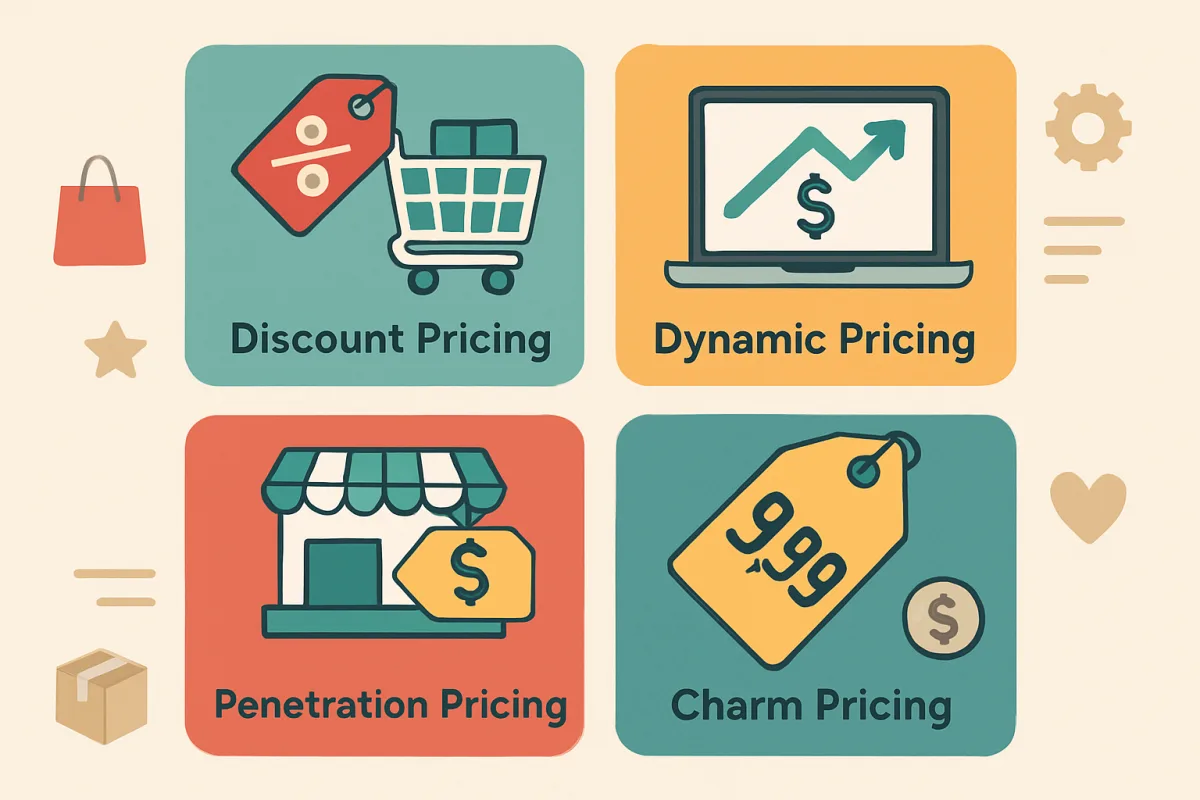
To price products for profit, consider factors like cost, market demand, and competition. Start with cost-plus pricing, which adds a markup to the total cost of production. Alternatively, value-based pricing focuses on the perceived value to the customer. Conduct market research to understand customer willingness to pay and adjust your pricing strategy accordingly. Regularly review and adapt your pricing based on sales data and market trends.
Quick Summary
Effective product pricing is crucial for profitability. Strategies include cost-plus pricing, value-based pricing, and competitive pricing. Understanding your costs, market demand, and customer perceptions will help you set the right price. Regularly review your pricing strategy to adapt to market changes.
Curator Notes
Pricing products effectively involves a combination of understanding your costs, the competitive landscape, and customer perceptions. Start with cost-plus pricing, which involves calculating the total cost of producing a product and adding a markup for profit. This method is straightforward but may not always reflect the true market value of your product.
Alternatively, value-based pricing focuses on the perceived value of your product to the customer. This requires thorough market research to gauge how much customers are willing to pay. Competitive pricing, where you set your prices based on competitors, can also be effective but may lead to price wars if not managed carefully.
Ultimately, it's essential to regularly review your pricing strategy based on sales performance and market trends. Utilizing tools like A/B testing can help you determine the most effective pricing strategy for your products. Adjustments may be necessary as costs change or as you introduce new products to your lineup.
Recommended Options
- Shopify: Best for E-commerce businesses looking for a comprehensive solution. Shopify offers built-in pricing tools and analytics to help businesses optimize their pricing strategies. Signal checked: Widely used by over a million businesses, with high user satisfaction ratings. Alternative to consider: WooCommerce for WordPress users.
- QuickBooks: Best for Small to medium-sized businesses needing financial management. QuickBooks provides detailed cost tracking and reporting features to inform pricing decisions. Signal checked: Trusted by millions for accounting, with robust customer support. Alternative to consider: FreshBooks for invoicing and expense tracking.
- Price2Spy: Best for Businesses needing competitive pricing analysis. Price2Spy offers tools for monitoring competitor prices and adjusting your strategy accordingly. Signal checked: Used by thousands of retailers globally, known for its comprehensive features. Alternative to consider: Competera for dynamic pricing solutions.
Best Sources
Videos and Community Signals
Missed something in the video? Don't worry, the full notes are here: https://thinkeduca.com/ Inquiries: LeaderstalkYT@gmail.com ...
If you're a startup founder, how much should you charge for your product or service? It's a simple question that can make many ...
Comparison
| Decision Point | Good Starting Choice | When to Go Further |
|---|---|---|
| Pricing Strategy | Cost-plus pricing for straightforward cost management. | Value-based pricing for maximizing profit based on customer perception. |
| Market Research | Basic surveys to gauge customer interest. | In-depth analysis using tools like Google Trends and customer interviews. |
| Pricing Flexibility | Fixed pricing for simplicity. | Dynamic pricing to adjust based on market demand. |
FAQ
Cost-plus pricing involves adding a fixed percentage markup to the total cost of producing a product.
It's advisable to review your pricing strategy at least quarterly or whenever significant market changes occur.
Tools like Price2Spy, Shopify, and QuickBooks can assist in analyzing costs and market trends.