How to Price a SaaS Product
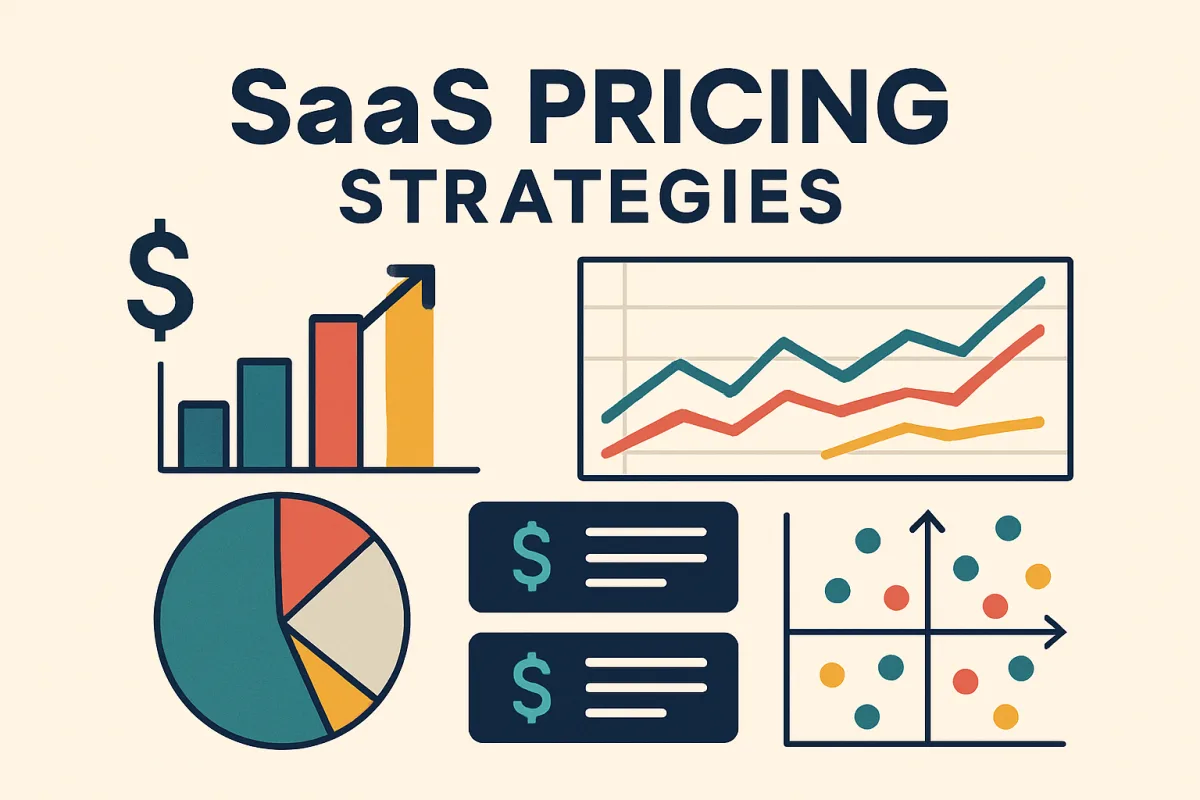
Pricing a SaaS product effectively involves understanding your target market, analyzing competitors, and determining your unique value proposition. Start by researching customer willingness to pay through surveys or interviews. Next, analyze competitors’ pricing structures to identify market standards. Consider various pricing models such as tiered pricing, freemium, or subscription-based models. Finally, continuously test and adjust your pricing based on customer feedback and market changes to ensure it aligns with the perceived value of your service.
Quick Summary
Determining the right price for a SaaS product requires a strategic approach that balances market research and customer insights. Begin by assessing your target audience's needs and their willingness to pay. Analyze competitors to understand their pricing models and identify gaps in the market. Explore different pricing strategies, such as tiered or freemium models, to cater to diverse customer segments. Regularly review and adjust your pricing based on feedback and market trends to maintain competitiveness and maximize revenue.
Curator Notes
Understanding how to price a SaaS product is crucial for its success. The first step is to identify your target audience and their specific needs. Conducting surveys or interviews can provide insights into what potential customers are willing to pay.
This direct feedback is invaluable as it helps you align your pricing strategy with customer expectations and perceived value. Next, analyze your competitors. Look at similar SaaS offerings in your niche and their pricing structures.
This competitive analysis will help you identify market standards and potential pricing gaps. Pay attention to what features are included at different price points, as this can inform your own tiered pricing strategy. Consider various pricing models.
Tiered pricing allows you to cater to different customer segments by offering multiple packages with varying features. A freemium model can attract users by providing basic features for free, encouraging upgrades to paid plans. Subscription-based pricing is another common approach, providing predictable revenue streams while allowing for regular updates and customer engagement.
Testing your pricing is essential. Implement A/B testing to see how different price points affect conversion rates. Monitor customer feedback closely; if you notice a drop in sign-ups or an increase in churn, it may indicate that your pricing needs adjustment.
Regularly revisiting your pricing strategy ensures it remains competitive and aligned with market changes. Another important factor is the perceived value of your product. Ensure that your pricing reflects the unique benefits and features your SaaS offers.
If customers see a strong value proposition, they are more likely to accept higher prices. Lastly, keep an eye on industry trends and economic factors that may influence pricing. Flexibility in your pricing strategy can help you adapt to changes in the market, ensuring your SaaS product remains attractive to potential customers.
Continuous learning and adaptation are key to long-term success in pricing your SaaS product effectively.
Recommended Options
- Price Intelligently: Best for SaaS companies looking for data-driven pricing strategies. Offers comprehensive market research and pricing analysis tailored for SaaS businesses. Signal checked: Widely used by successful SaaS companies for pricing optimization. Alternative to consider: ProfitWell, which also provides pricing insights but focuses more on subscription metrics.
- Baremetrics: Best for SaaS businesses needing analytics and metrics to inform pricing. Provides real-time data on customer behavior and revenue metrics, aiding in pricing decisions. Signal checked: Highly rated for its user-friendly interface and actionable insights. Alternative to consider: ChartMogul, which offers similar analytics but may have a steeper learning curve.
- SaaSOptics: Best for Companies seeking automated subscription management and revenue recognition. Signal checked: Recommended by many finance teams in SaaS for its efficiency. Alternative to consider: Zuora, which is more comprehensive but can be complex for smaller businesses.
Best Sources
Videos and Community Signals
How to price your SaaS! In 5 minutes I'll give you 5 SaaS pricing models for you to choose from. From the most common SaaS ...
With the growing adoption of SaaS pricing models, figuring out how to price and bill for software has become an intricate process ...
Comparison
| Decision Point | Good Starting Choice | When to Go Further |
|---|---|---|
| Market Research | Conduct surveys to gauge customer willingness to pay. | Utilize specialized services like Price Intelligently for deeper insights. |
| Pricing Models | Implement a simple subscription model. | Explore tiered or freemium models for broader market appeal. |
| Competitor Analysis | Review competitors' pricing on a basic level. | Conduct detailed competitive analysis using tools like SaaSOptics. |
FAQ
The best pricing model depends on your target audience and product features. Tiered pricing is popular as it accommodates different customer needs.
Regularly review your pricing strategy, ideally every 6-12 months, or when significant market changes occur.
Consider customer feedback, competitor pricing, perceived value, and market trends.