How to Increase Protein Intake
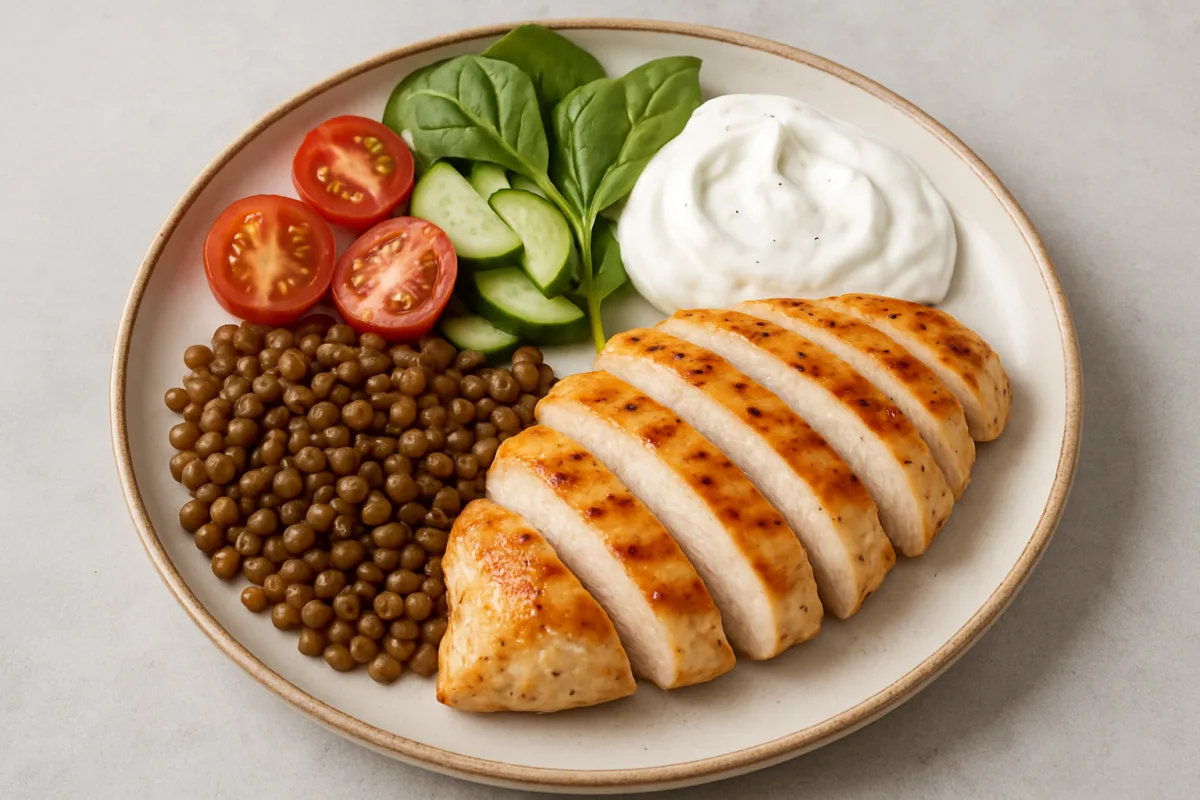
To increase your protein intake, focus on incorporating high-protein foods into your diet, such as lean meats, dairy products, legumes, and nuts. Consider protein supplements like whey or plant-based protein powders if you struggle to meet your needs through food alone. Aim for a balanced intake throughout the day, including protein in every meal and snack. This approach not only supports muscle growth and repair but also aids in weight management and overall health.
Quick Summary
Increasing protein intake can be achieved by adding high-protein foods to your meals and snacks. Options include lean meats, dairy, legumes, and nuts. For those needing extra help, protein supplements can be beneficial. A balanced approach ensures you meet your nutritional needs effectively.
Curator Notes
Increasing your protein intake is essential for various health benefits, including muscle repair, weight management, and overall wellness. Start by identifying high-protein foods that you enjoy. Lean meats like chicken, turkey, and fish are excellent sources, as are dairy products like Greek yogurt and cottage cheese.
Plant-based options such as beans, lentils, and quinoa also provide substantial protein while offering additional fiber and nutrients. Incorporating protein into every meal can help you reach your daily goals. For breakfast, consider eggs or a protein smoothie.
Lunch could include a salad topped with grilled chicken or chickpeas, while dinner might feature fish or a stir-fry with tofu. Snacks are also an opportunity; nuts, seeds, or protein bars can keep your intake consistent throughout the day. If you find it challenging to meet your protein needs through food alone, protein supplements like whey or plant-based powders can be a convenient alternative.
However, it's crucial to choose high-quality products and consult with a healthcare provider if you have dietary restrictions or health concerns. Overall, a thoughtful approach to protein intake can significantly enhance your diet and health.
Recommended Options
- Optimum Nutrition Whey Protein Isolate: Best for Individuals looking for a quick protein boost post-workout. High-quality protein with low lactose content, easily digestible. Signal checked: Widely reviewed and recommended by fitness experts. Alternative to consider: Plant-based protein powders for those with lactose intolerance.
- Chobani Greek Yogurt: Best for Those seeking a nutritious snack with high protein. Rich in protein and probiotics, versatile for meals or snacks. Signal checked: Popular among health-conscious consumers. Alternative to consider: Cottage cheese for a similar protein profile.
- Lentils: Best for Vegetarians and vegans looking for plant-based protein. High in protein and fiber, low in fat. Signal checked: Recommended by nutritionists for balanced diets. Alternative to consider: Chickpeas for another excellent plant-based option.
Best Sources
Videos and Community Signals
100% grass-fed and pasture raised meat delivered straight to your door from ButcherCrowd! (Australia only) Use code HCK15 to ...
What is the optimal source and amount of protein for senior citizens? New subscribers to our e-newsletter always receive a free ...
Comparison
| Decision Point | Good Starting Choice | When to Go Further |
|---|---|---|
| Protein Source | Incorporate lean meats for quick protein. | Explore plant-based options for diverse nutrients. |
| Meal Timing | Add protein to main meals. | Include protein in snacks for consistent intake. |
| Supplement Use | Use protein supplements if struggling to meet needs. | Consult a nutritionist for tailored supplement advice. |
FAQ
The recommended dietary allowance is 46 grams for women and 56 grams for men, but this can vary based on activity level and health goals.
Yes, combining various plant-based sources like legumes, nuts, and grains can provide adequate protein.
Not necessarily; whole foods can meet protein needs, but supplements can help if you're struggling.