How to Increase Fiber Intake
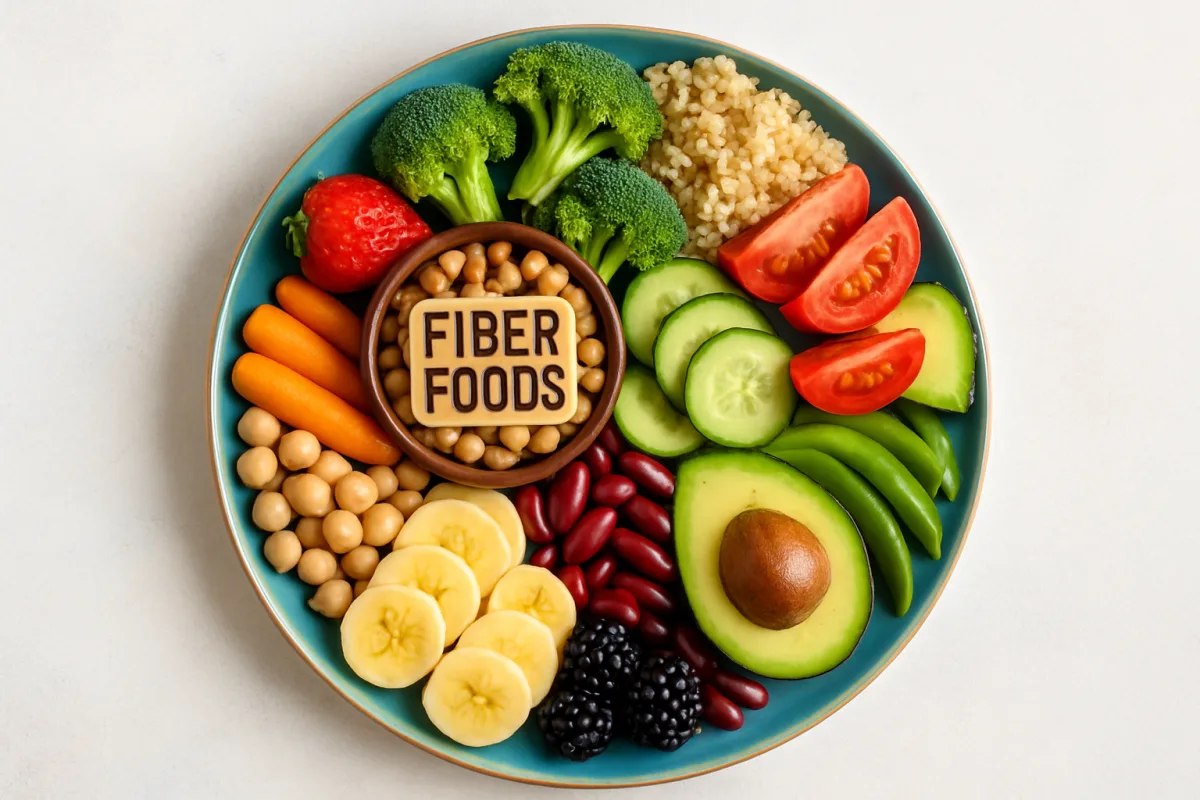
To increase fiber intake, incorporate more whole foods such as fruits, vegetables, legumes, and whole grains into your diet. Start your day with a high-fiber breakfast like oatmeal or whole grain toast, and snack on fruits or nuts throughout the day. Gradually increase your fiber intake to avoid digestive discomfort, and ensure you drink plenty of water to help fiber do its job effectively.
Quick Summary
Increasing fiber intake is essential for digestive health and overall well-being. Focus on whole foods like fruits, vegetables, legumes, and whole grains. Gradually add fiber to your diet and stay hydrated to maximize benefits.
Curator Notes
Fiber is crucial for maintaining digestive health, regulating blood sugar levels, and promoting a feeling of fullness. To effectively increase your fiber intake, start by incorporating high-fiber foods into every meal. For breakfast, consider oatmeal topped with fruits or a smoothie with spinach and berries.
For lunch and dinner, aim to fill half your plate with vegetables and include legumes like beans or lentils in your dishes. Snacking is another great opportunity to boost your fiber intake. Choose whole fruits, nuts, or whole grain crackers instead of processed snacks.
It's important to increase fiber gradually to prevent bloating or discomfort, and remember to drink plenty of water to aid digestion. By making these small changes, you can significantly enhance your fiber intake and improve your overall health.
Recommended Options
- Quaker Oatmeal: Best for Breakfast High in soluble fiber, which can help lower cholesterol. Signal checked: Widely recommended by nutritionists and has numerous positive reviews. Alternative to consider: Whole grain cereals
- Chia Seeds: Best for Smoothies and snacks Signal checked: Popular among health enthusiasts and often featured in health articles. Alternative to consider: Flaxseeds
- Goya Black Beans: Best for Soups and salads Signal checked: Commonly used in healthy recipes and praised for their nutritional value. Alternative to consider: Lentils
Best Sources
Videos and Community Signals
Do you want to increase your fiber intake for health reasons? Has a doctor told you increasing fiber will help you poop? Do you ...
Dietary fiber plays a crucial role in protecting the body from multiple diseases by supporting digestive health, regulating blood ...
Comparison
| Decision Point | Good Starting Choice | When to Go Further |
|---|---|---|
| Type of Fiber | Focus on soluble fiber (e.g., oats, fruits) | Incorporate insoluble fiber (e.g., whole grains, vegetables) |
| Gradual Increase | Add fiber slowly to avoid discomfort | Monitor your body's response and adjust intake accordingly |
| Hydration | Drink water with meals | Increase water intake as fiber intake increases |
FAQ
The best sources of fiber include fruits, vegetables, whole grains, legumes, nuts, and seeds.
The recommended daily intake is about 25 grams for women and 38 grams for men.
Yes, increasing fiber too quickly can lead to bloating and discomfort. It's best to increase it gradually.