How to Improve Flexibility
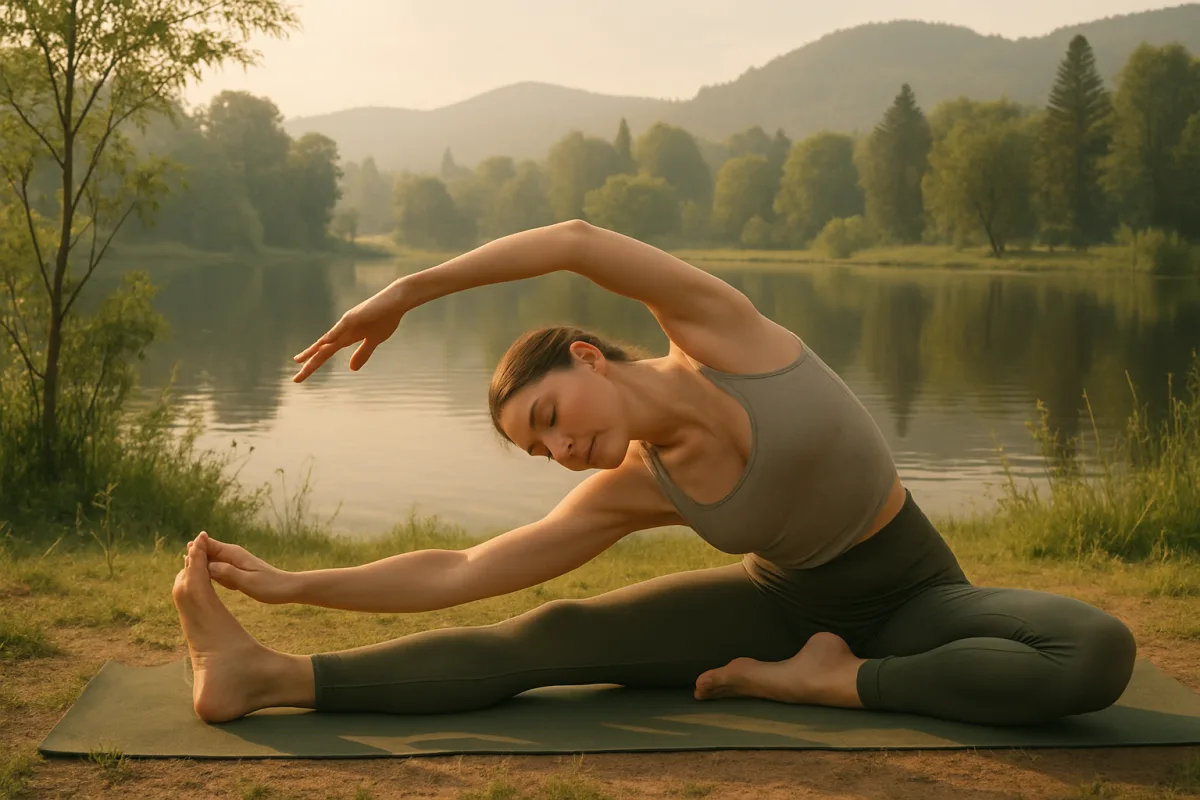
Improving flexibility involves a combination of stretching exercises, consistent practice, and proper warm-up techniques. Dynamic stretches before workouts and static stretches afterward are essential. Incorporating yoga or Pilates can also enhance flexibility over time. It's crucial to listen to your body and avoid overstretching, which can lead to injuries. Regular practice, ideally several times a week, will yield the best results in increasing your range of motion and overall flexibility.
Quick Summary
Flexibility can be significantly improved through targeted stretching routines and consistent practice. Dynamic stretches are best before physical activity, while static stretches are more effective post-workout. Incorporating disciplines like yoga or Pilates into your routine can also enhance flexibility. Listening to your body and avoiding overstretching is key to preventing injuries. Aim for regular practice to see the best results in your flexibility journey.
Curator Notes
Flexibility is a crucial component of overall fitness that often gets overlooked. To improve flexibility effectively, it’s important to incorporate a variety of stretching techniques into your routine. Dynamic stretching, which involves moving parts of your body through their full range of motion, is particularly beneficial before workouts.
This type of stretching helps prepare your muscles and joints for the activity ahead, reducing the risk of injury and enhancing performance. After your workout, static stretching should take center stage. This involves holding stretches for a period, typically between 15 to 60 seconds.
It helps to lengthen the muscles and improve overall flexibility. Focus on major muscle groups such as hamstrings, quadriceps, shoulders, and back. Consistency is key; aim to stretch at least three times a week to see noticeable improvements.
Incorporating yoga or Pilates into your weekly routine can also be a game changer for flexibility. Both practices emphasize controlled movements and deep stretching, which can significantly enhance your range of motion over time. Many people find that the mindfulness aspect of these disciplines helps them connect better with their bodies, making it easier to identify areas that need more attention.
Another important aspect is warm-up techniques. A proper warm-up increases blood flow to the muscles and prepares them for stretching. Consider light cardio activities, such as jogging or jumping jacks, to get your body ready before diving into more intense stretching routines.
Listening to your body is crucial. Overstretching can lead to injuries, so it’s important to know your limits. If a stretch feels painful, ease off.
Flexibility varies from person to person, and what works for one individual may not work for another. Be patient and give yourself time to improve. Finally, consider tracking your progress.
Keeping a journal of your stretching routines and flexibility milestones can motivate you to stay consistent. Celebrate small victories, like being able to reach further in a stretch or holding a pose longer. This can help maintain your commitment to improving flexibility over the long term.
Recommended Options
- Adriene Mishler Yoga with Adriene: Best for Beginners looking to improve flexibility through yoga Offers a variety of free yoga videos tailored to different skill levels and goals. Signal checked: High view counts and positive user feedback on YouTube. Alternative to consider: Glo, a subscription-based service with a wider range of classes.
- StretchIt: Best for Individuals wanting a structured stretching routine Provides guided stretching sessions with varying levels of difficulty. Signal checked: Positive reviews and user ratings on app stores. Alternative to consider: Flexibility Coach, which offers personalized stretching plans.
Best Sources
Videos and Community Signals
If you'd like to improve your whole body flexibility in a quick and effective way, in this video I'll share with you the only 3 stretches ...
If you're looking to prioritize your flexibility this year this routine is perfect for you. This is a weekly mobility routine that you can use ...
Comparison
| Decision Point | Good Starting Choice | When to Go Further |
|---|---|---|
| Type of Stretching | Dynamic stretching for warm-ups | Static stretching for post-workout recovery |
| Frequency of Practice | 3 times a week for beginners | Daily practice for optimal results |
| Incorporation of Other Disciplines | Basic stretching routines | Yoga or Pilates for enhanced flexibility |
FAQ
Typically, noticeable improvements can be seen within 4 to 6 weeks with consistent practice.
Yes, daily stretching is generally safe as long as you listen to your body and avoid overstretching.