How to Create a Workout Plan
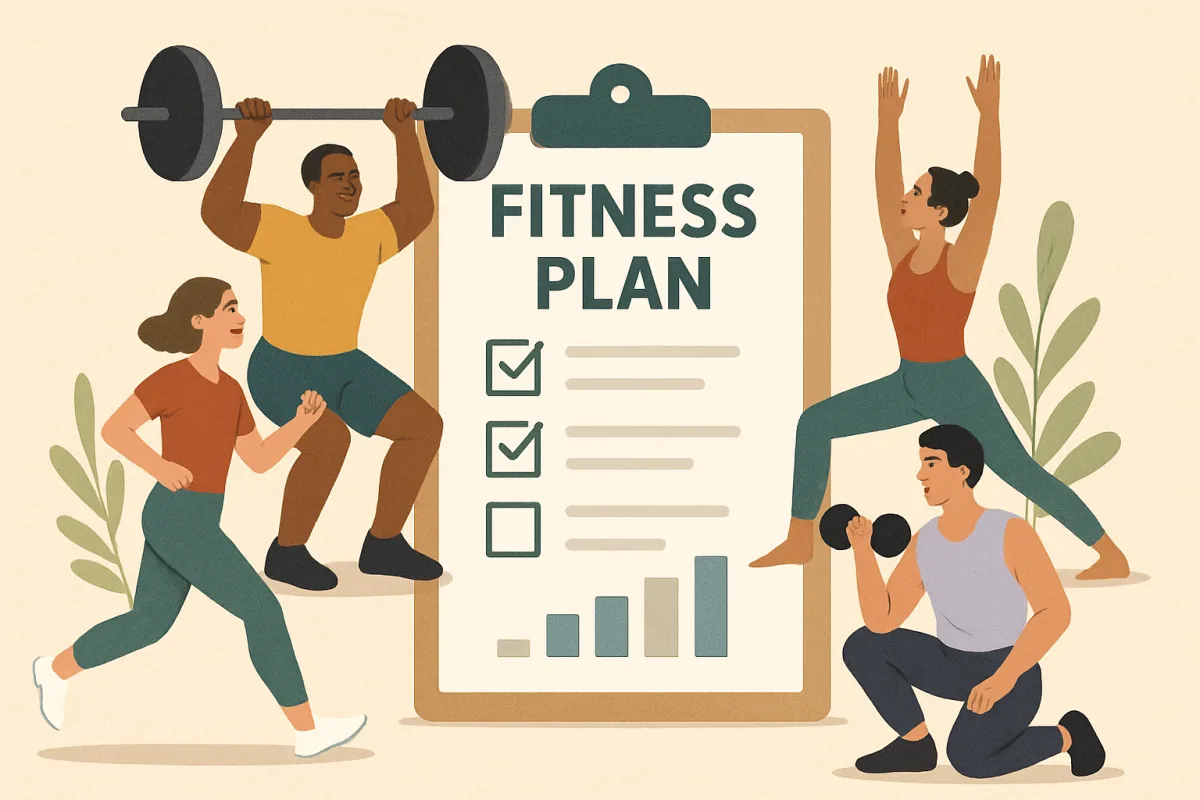
Creating a workout plan involves assessing your fitness goals, determining your current fitness level, and selecting exercises that align with your objectives. Start by defining clear goals, such as weight loss, muscle gain, or improved endurance. Next, evaluate your current fitness level to choose appropriate exercises and intensity. Incorporate a mix of strength training, cardio, and flexibility exercises, and ensure to schedule rest days for recovery. Finally, track your progress and adjust your plan as needed to stay motivated and achieve your goals.
Quick Summary
A well-structured workout plan is essential for achieving fitness goals effectively. Begin by setting specific, measurable objectives, such as losing weight or building muscle. Assess your current fitness level to tailor the exercises accordingly. Include a variety of workouts, such as strength training, cardio, and flexibility routines, while allowing for recovery days. Regularly monitor your progress and be flexible in adjusting your plan to maintain motivation and effectiveness. This approach ensures a balanced and sustainable fitness journey.
Curator Notes
Creating a workout plan is not just about picking exercises; it requires a thoughtful approach tailored to your individual needs and goals. Start by clearly defining what you want to achieve. Whether it's weight loss, muscle gain, or enhanced endurance, having specific goals will guide your choices and keep you motivated.
For instance, if your aim is to lose weight, your plan should focus on a combination of cardio and strength training to maximize calorie burn and muscle retention. Next, assess your current fitness level. This is crucial for selecting exercises that are appropriate and safe.
Beginners might start with bodyweight exercises and gradually introduce weights, while more experienced individuals can incorporate advanced techniques. Understanding your starting point helps in setting realistic expectations and timelines for achieving your goals. Incorporating a variety of workouts is essential for a balanced plan.
Aim for a mix of strength training, cardiovascular exercises, and flexibility work. Strength training can include free weights or resistance bands, while cardio can range from running to cycling. Flexibility exercises, such as yoga or stretching, are vital for recovery and preventing injuries.
A well-rounded approach not only enhances overall fitness but also keeps your routine interesting. Rest days are just as important as workout days. They allow your muscles to recover and grow, reducing the risk of injury.
Plan your schedule to include at least one or two rest days per week, depending on the intensity of your workouts. This balance helps maintain long-term adherence to your fitness plan. Tracking your progress is another key component.
Use a journal or fitness app to log workouts, monitor improvements, and adjust your plan as necessary. Regularly reviewing your progress can provide motivation and highlight areas needing adjustment. If you find certain exercises are becoming too easy, it may be time to increase the intensity or try new activities.
Lastly, be flexible and willing to adapt your plan. Life can be unpredictable, and your workout schedule may need to change. Whether it’s due to time constraints or changes in your goals, being adaptable will help you stay committed.
Remember, the best workout plan is one that fits your lifestyle and keeps you engaged in your fitness journey.
Best Sources
Videos and Community Signals
For science-based home and gym workout programmes to build muscle, lose fat, or get athletic, my training + nutrition guides ...
Learn The 10 Easy-To-Follow Steps Anyone Can Use To Become An Online Trainer: https://king-keto.com/chat-gpt-workout ...
Comparison
| Decision Point | Good Starting Choice | When to Go Further |
|---|---|---|
| Online booking | A simple booking page with service duration, staff assignment and confirmation emails. | Multi-location calendars, deposits, cancellation rules and waitlist handling. |
| Client records | Basic notes, visit history and contact details are enough to start. | Segmentation, purchase history, memberships, forms and before-after notes become more important. |
| Reminders | SMS or email reminders help reduce no-shows without adding admin work. | Automated rebooking, follow-up campaigns and missed-appointment recovery matter more. |
| Payments | Card capture and checkout should be simple and transparent. | Packages, memberships, staff commissions, tips and refunds need cleaner reporting. |
| Marketing | Light email or SMS campaigns are useful if they are easy to run. | Automated win-back, birthday offers, review requests and audience segments create more leverage. |
FAQ
Aim for at least 150 minutes of moderate aerobic activity or 75 minutes of vigorous activity each week, along with two days of strength training.
Include a mix of cardiovascular exercises, strength training, and flexibility workouts to ensure a balanced fitness routine.
Use a fitness app or journal to log your workouts, monitor your performance, and adjust your plan as needed.