How to Create a Healthy Routine
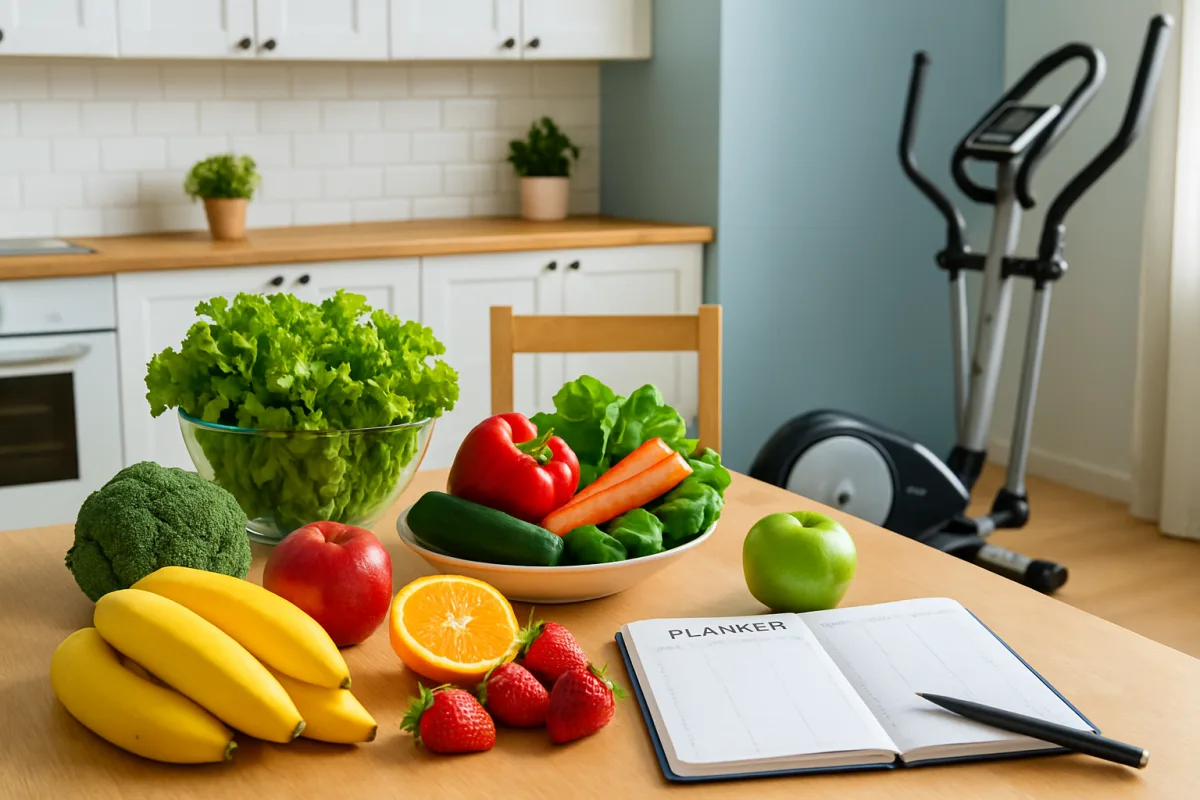
Creating a healthy routine involves establishing consistent habits that promote physical, mental, and emotional well-being. Start by setting clear, achievable goals in areas like nutrition, exercise, sleep, and stress management. Incorporate activities you enjoy, such as walking, yoga, or cooking healthy meals, to make the routine sustainable. Regularly review and adjust your routine to ensure it remains effective and enjoyable.
Quick Summary
A healthy routine is essential for overall well-being. Begin by setting specific goals in nutrition, exercise, and sleep. Incorporate enjoyable activities and regularly review your routine to keep it effective and engaging.
Curator Notes
To create a healthy routine, begin by identifying your personal health goals. This could include improving your diet, increasing physical activity, or enhancing your sleep quality. Write down these goals to make them tangible and refer back to them regularly.
Setting specific, measurable, achievable, relevant, and time-bound (SMART) goals can help you stay focused and motivated. Next, incorporate a variety of activities that promote health. For instance, aim for a balanced diet rich in fruits, vegetables, whole grains, and lean proteins.
Pair this with regular physical activity, such as walking, cycling, or strength training, for at least 150 minutes per week. Additionally, prioritize sleep by establishing a consistent sleep schedule and creating a relaxing bedtime routine. Mindfulness practices, such as meditation or deep breathing, can also help manage stress and enhance mental well-being.
Finally, regularly assess your routine. Reflect on what works and what doesn’t, and be willing to make adjustments. Engaging with a community or finding an accountability partner can also provide support and encouragement as you strive to maintain your healthy habits.
Recommended Options
- MyFitnessPal: Best for Tracking nutrition and exercise Offers a comprehensive food database and exercise logging features. Signal checked: Widely used with positive reviews for its user-friendly interface. Alternative to consider: Lose It!
- Headspace: Best for Meditation and mindfulness Provides guided meditations tailored for various needs. Signal checked: Highly rated for its effectiveness in reducing stress and improving focus. Alternative to consider: Calm
- Fitbit: Best for Activity tracking and sleep monitoring Tracks steps, heart rate, and sleep patterns with detailed insights. Signal checked: Popular among fitness enthusiasts for its accuracy and community features. Alternative to consider: Garmin
Best Sources
Videos and Community Signals
Are you waking up already tired, anxious, or on edge? You're not alone. Most people are doing their morning routines completely ...
Order your copy of The Let Them Theory https://melrob.co/let-them-theory The #1 Best Selling Book of 2025 Discover how ...
Comparison
| Decision Point | Good Starting Choice | When to Go Further |
|---|---|---|
| Goal Setting | Set simple, achievable goals like walking 10 minutes daily. | Use SMART criteria to set complex goals like running a 5K in three months. |
| Activity Variety | Incorporate basic exercises like walking or stretching. | Include strength training, yoga, and high-intensity workouts for comprehensive fitness. |
| Nutrition Focus | Add more fruits and vegetables to meals. | Plan and prep balanced meals with macro-nutrient tracking. |
FAQ
It typically takes about 21 to 66 days to form a new habit, depending on the individual and the complexity of the behavior.
Missing a day is normal. Focus on getting back on track rather than being discouraged.
Yes, many healthy habits, like walking or cooking at home, can be done with minimal cost.