How to Create a Better Routine
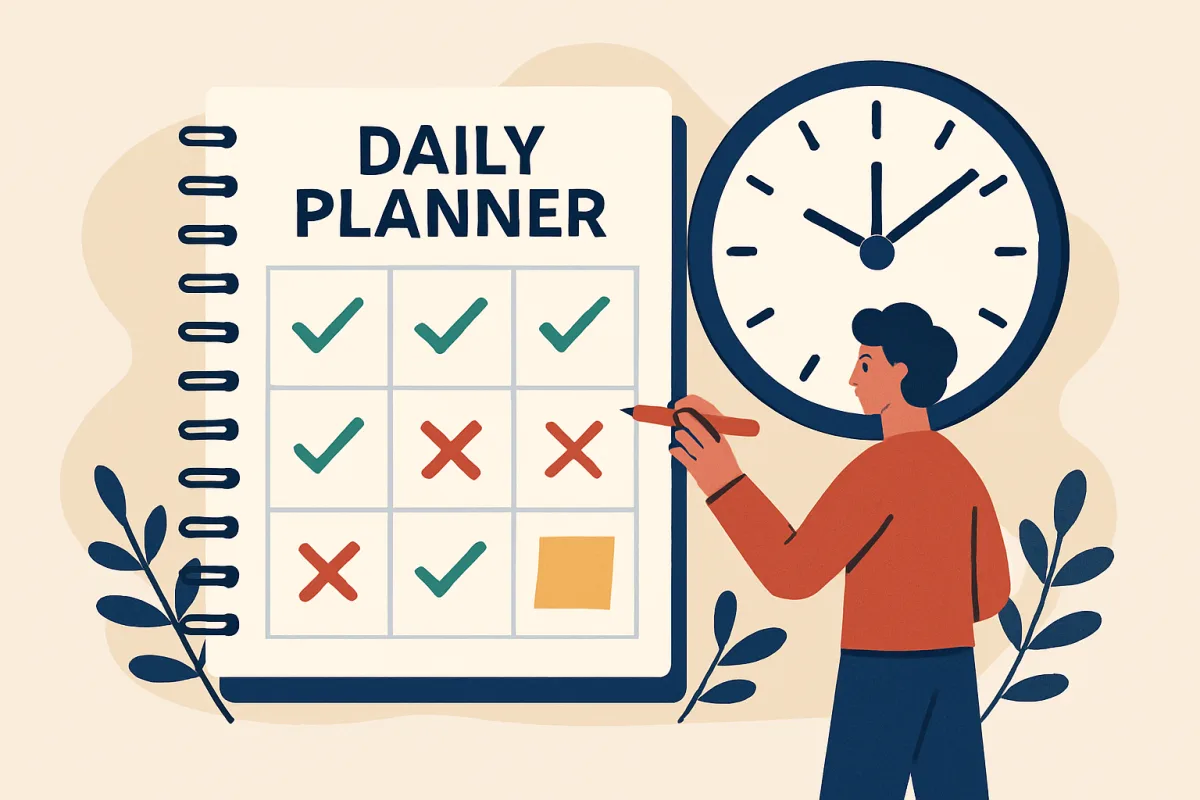
Creating a better routine involves identifying your goals, prioritizing tasks, and incorporating flexibility. Start by assessing your current habits, then set clear, achievable objectives. Use time-blocking techniques to allocate specific times for tasks, ensuring you include breaks. Regularly review and adjust your routine based on what works best for you, allowing for adaptability to maintain motivation and effectiveness.
Quick Summary
To create a better routine, evaluate your current habits and set clear goals. Implement time-blocking for tasks and allow flexibility to adapt as needed. Regular reviews will help you refine your routine for optimal productivity.
Curator Notes
Establishing a better routine begins with a thorough assessment of your current habits and lifestyle. Identify what aspects of your day are productive and which are not. This self-reflection can help you pinpoint areas for improvement and set clear, achievable goals that align with your personal and professional aspirations.
Once you have your goals defined, consider employing time-blocking techniques. This method involves scheduling specific blocks of time for different activities, allowing you to focus on one task at a time. Incorporating breaks is essential to prevent burnout and maintain your energy levels throughout the day.
Flexibility is also key; be prepared to adjust your routine as needed to accommodate unexpected events or shifts in priorities. Regularly reviewing your routine will help you identify what works and what doesn’t. This iterative process allows you to refine your approach, ensuring that your routine remains effective and aligned with your evolving goals.
Remember, the aim is to create a routine that enhances your productivity while also supporting your well-being.
Recommended Options
- Todoist: Best for Individuals seeking task management Offers robust features for task prioritization and scheduling. Signal checked: High user ratings and extensive integrations. Alternative to consider: Trello for visual task management.
- Google Calendar: Best for Anyone needing a scheduling tool Signal checked: Widely used with a user-friendly interface. Alternative to consider: Microsoft Outlook Calendar for corporate environments.
- Habitica: Best for Gamifying habit formation Signal checked: Strong community support and positive feedback. Alternative to consider: Streaks for a more straightforward habit tracker.
Best Sources
Videos and Community Signals
Andrew Huberman, Ph.D., is a neuroscientist and tenured Professor in the Department of Neurobiology at the Stanford University ...
Want to SCALE your business? Go here: https://acquisition.com Want to START a business? Go here: https://skool.com/games If ...
Comparison
| Decision Point | Good Starting Choice | When to Go Further |
|---|---|---|
| Task Management | Simple to-do lists for daily tasks | Comprehensive project management tools with collaboration features |
| Scheduling | Basic calendar for appointments | Integrated scheduling with reminders and notifications |
| Habit Tracking | Manual tracking of daily habits | Gamified tracking with rewards and community support |
FAQ
It typically takes about 21 to 66 days to form a new habit, depending on the complexity of the routine.
Consider adjusting your routine to make it more manageable or seek support from friends or online communities.