How to Create a Balanced Meal Plan
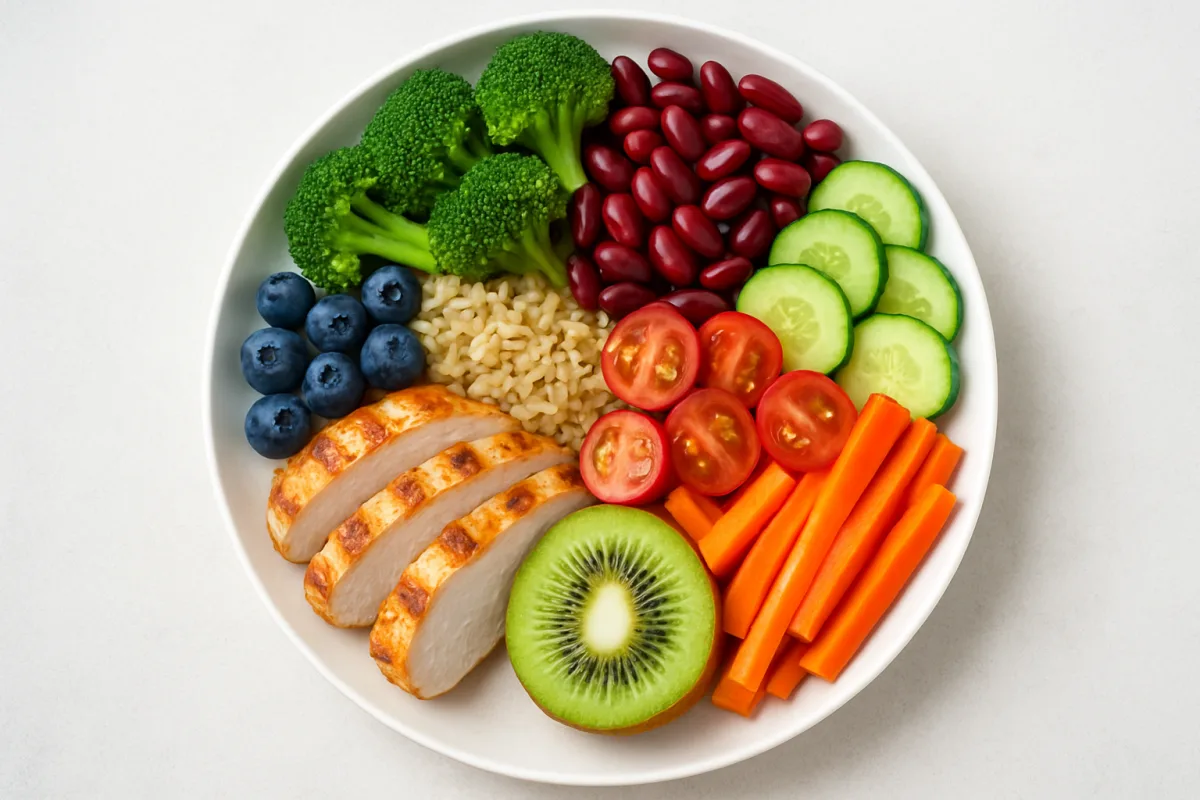
Creating a balanced meal plan involves understanding the essential food groups and their proportions. Start by including a variety of fruits, vegetables, whole grains, proteins, and healthy fats. Aim for a plate that is half filled with fruits and vegetables, a quarter with lean proteins, and a quarter with whole grains. This approach ensures that you receive a wide range of nutrients necessary for overall health. Additionally, consider your dietary preferences and any restrictions to tailor the plan to your needs.
Quick Summary
A balanced meal plan is crucial for maintaining health and wellness. It should include a variety of food groups in appropriate proportions. Focus on fruits, vegetables, whole grains, proteins, and healthy fats to create meals that nourish your body. Tailor your plan to fit personal dietary needs and preferences for optimal results.
Curator Notes
To create a balanced meal plan, begin by understanding the five essential food groups: fruits, vegetables, grains, proteins, and dairy. Each group plays a vital role in providing the nutrients your body needs. For instance, fruits and vegetables are rich in vitamins and minerals, while whole grains offer fiber and energy.
Proteins are crucial for muscle repair and growth, and healthy fats support brain health and hormone production. Next, consider portion sizes. A general guideline is to fill half your plate with fruits and vegetables, a quarter with lean proteins, and a quarter with whole grains.
This structure helps in achieving a well-rounded intake of nutrients. Additionally, be mindful of your personal dietary restrictions or preferences, such as vegetarianism or gluten intolerance, and adjust your meal plan accordingly. Finally, plan your meals ahead of time to avoid last-minute unhealthy choices.
Incorporate a variety of colors and textures in your meals to keep them appealing and satisfying. Regularly review and adjust your meal plan based on your health goals, activity levels, and any changes in dietary needs.
Recommended Options
- MyFitnessPal: Best for Tracking daily food intake and nutrition Offers a comprehensive database of foods and allows users to log meals easily. Signal checked: Highly rated with millions of downloads and positive user reviews. Alternative to consider: Lose It!
- Eat This Much: Best for Automated meal planning based on dietary preferences Creates meal plans tailored to your calorie goals and dietary restrictions. Signal checked: Positive reviews for its user-friendly interface and customization options. Alternative to consider: Plan to Eat
- The USDA MyPlate: Best for Understanding portion sizes and food group distribution Signal checked: Widely recognized and endorsed by nutrition experts. Alternative to consider: Harvard Healthy Eating Plate
Best Sources
Videos and Community Signals
MY WEBSITE AND DIET PLANS▹ https://www.dietitianandreaurizar.com/ ABOUT ME▹ Hello there! My name is Andrea and ...
A one-size-fits-all diet plan doesn't exist. That's why, in this video, I'm going through – in just 4 easy steps – how you can build a ...
Comparison
| Decision Point | Good Starting Choice | When to Go Further |
|---|---|---|
| Dietary tracking | Use MyFitnessPal for easy logging. | Consider specialized apps like Cronometer for detailed nutrient analysis. |
| Meal planning automation | Start with Eat This Much for basic meal plans. | Use Plan to Eat for more complex meal prep and grocery lists. |
| Nutritional guidelines | Follow USDA MyPlate for general advice. | Refer to Harvard's guidelines for a more detailed approach. |
FAQ
A balanced meal includes a variety of food groups: fruits, vegetables, whole grains, proteins, and healthy fats, ensuring a wide range of nutrients.
Consider your dietary preferences, restrictions, and health goals. Use meal planning tools to tailor your plan accordingly.
It's advisable to review your meal plan weekly to make adjustments based on your health goals and lifestyle changes.