How to Build Better Eating Habits
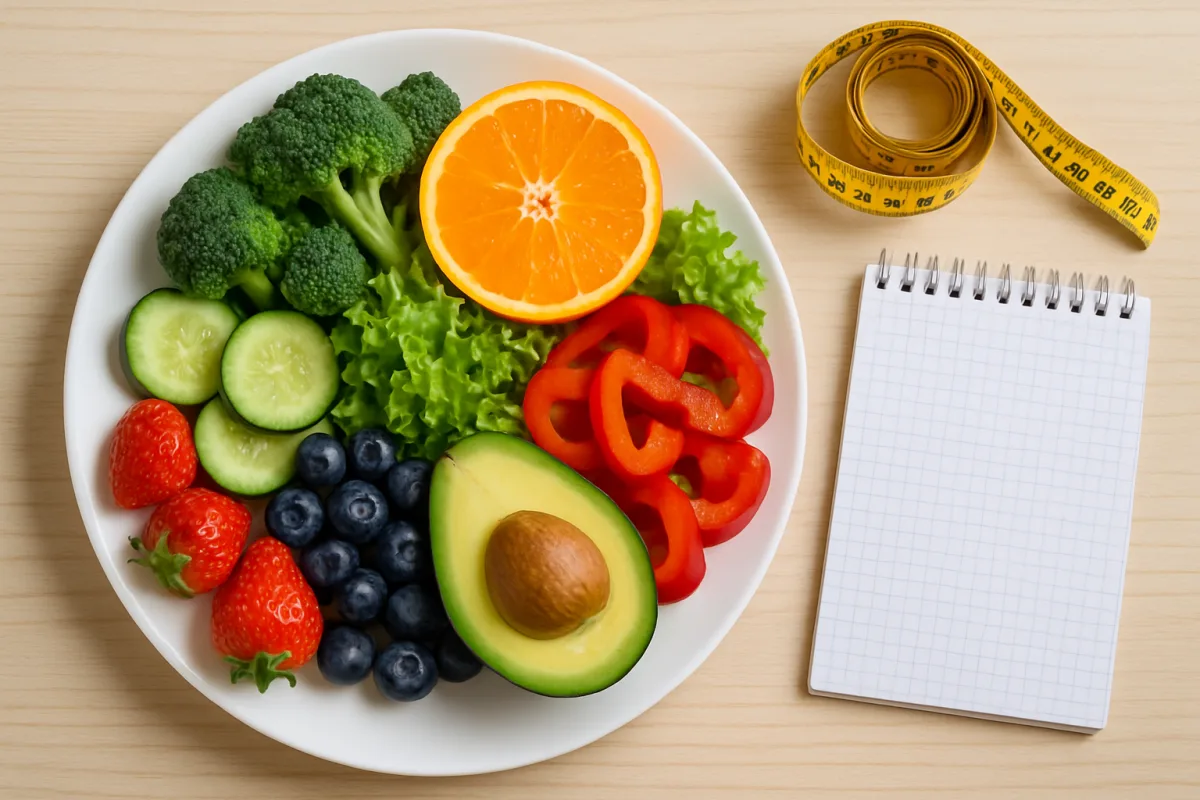
Building better eating habits involves understanding your current diet, setting achievable goals, and making gradual changes. Start by tracking what you eat to identify patterns and areas for improvement. Incorporate more whole foods, such as fruits, vegetables, and whole grains, while reducing processed foods. Setting specific, measurable goals can help you stay motivated and accountable. Consider seeking support from nutritionists or using apps designed to help with meal planning and tracking.
Quick Summary
To build better eating habits, begin by tracking your current diet and identifying areas for improvement. Focus on incorporating whole foods and setting specific goals. Gradual changes are key to long-term success, and support from professionals or apps can enhance your journey.
Curator Notes
Building better eating habits is a gradual process that requires self-awareness and commitment. Start by keeping a food diary for at least a week. This will help you understand your eating patterns, including when and why you eat.
Look for trends, such as emotional eating or snacking when bored, and identify specific areas that need change. This self-reflection is crucial for setting realistic goals. Next, focus on incorporating more whole foods into your diet.
Aim to fill your plate with fruits, vegetables, whole grains, and lean proteins. These foods are not only nutritious but also help you feel full longer, reducing the temptation to snack on unhealthy options. Gradually replace processed foods with healthier alternatives.
For instance, swap sugary snacks for fruits or nuts, and choose whole grain bread instead of white bread. Setting specific, measurable goals can also enhance your eating habits. Instead of vague objectives like "eat healthier," aim for concrete targets such as "include a vegetable in every meal" or "limit sugary drinks to once a week." Finally, consider seeking support.
Nutrition apps can provide meal planning assistance, while consulting a nutritionist can offer personalized guidance tailored to your needs.
Recommended Options
- MyFitnessPal: Best for Tracking food intake and exercise Offers a comprehensive database of foods and a user-friendly interface. Signal checked: Highly rated with millions of downloads and positive user reviews. Alternative to consider: Lose It!
- Noom: Best for Behavioral change and weight management Focuses on psychology behind eating habits, providing personalized coaching. Signal checked: Widely recognized for its effective approach to sustainable weight loss. Alternative to consider: Weight Watchers
- Eat This Much: Best for Automated meal planning Creates meal plans based on your dietary preferences and goals. Signal checked: Positive feedback for its convenience and customization options. Alternative to consider: PlateJoy
Best Sources
Videos and Community Signals
Full video: 02:27:02:26 - https://www.twitch.tv/videos/1896259964 Our Healthy Gamer Coaches have transformed over 10000 ...
MY WEBSITE AND DIET PLANS▹ https://www.dietitianandreaurizar.com/ ABOUT ME▹ Hello there! My name is Andrea and ...
Comparison
| Decision Point | Good Starting Choice | When to Go Further |
|---|---|---|
| Goal Setting | Set simple, achievable goals like adding one vegetable per meal. | Develop a comprehensive meal plan with specific calorie targets. |
| Tracking Progress | Use a food diary to note daily intake. | Utilize apps for real-time tracking and analysis. |
| Support Systems | Join a local health group for accountability. | Engage with a nutritionist for tailored advice. |
FAQ
It varies by individual, but generally, it takes about 21 to 66 days to form a new habit.
Start by drinking more water, preparing meals at home, and keeping healthy snacks on hand.
Yes, moderation is key. You can enjoy your favorite foods occasionally while focusing on healthier choices most of the time.