How to Build a Sustainable Diet
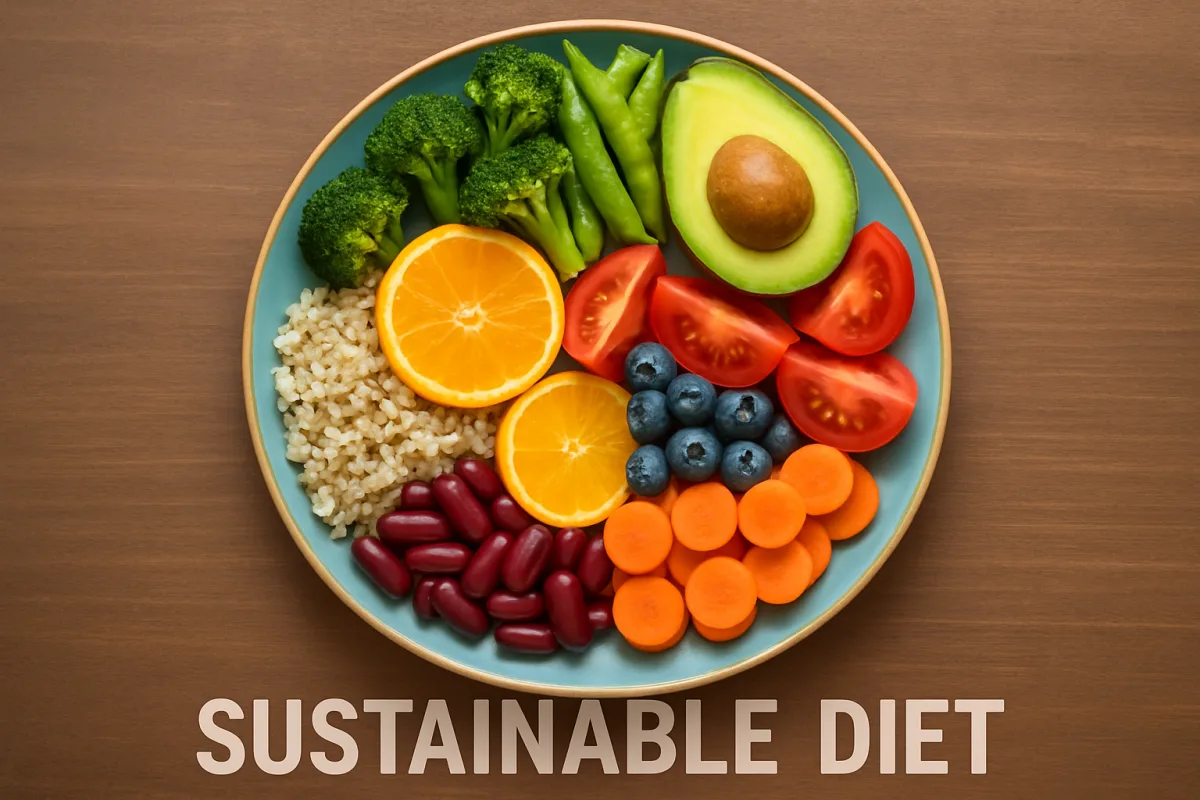
Building a sustainable diet involves choosing foods that are not only healthy but also environmentally friendly. Start by incorporating more plant-based foods, such as fruits, vegetables, whole grains, and legumes, which have a lower carbon footprint compared to animal products. Additionally, consider sourcing local and seasonal ingredients to reduce transportation emissions. Lastly, limit processed foods and prioritize organic options when possible to support sustainable farming practices.
Quick Summary
A sustainable diet focuses on health and environmental impact. Key strategies include increasing plant-based foods, sourcing local ingredients, and minimizing processed foods. This approach not only benefits personal health but also supports ecological balance.
Curator Notes
To build a sustainable diet, begin by emphasizing plant-based foods. These include fruits, vegetables, legumes, and whole grains, which are not only nutritious but also require fewer resources to produce compared to meat and dairy. Studies show that reducing meat consumption can significantly lower greenhouse gas emissions, making plant-based diets a cornerstone of sustainability.
Next, prioritize local and seasonal produce. By sourcing food closer to home, you reduce the carbon footprint associated with transportation. Farmers' markets and local co-ops are excellent places to find fresh, seasonal ingredients.
Additionally, consider growing your own herbs and vegetables if possible, which can further minimize environmental impact. Lastly, limit processed foods and opt for organic options when available. Processed foods often involve high energy use and contribute to waste.
Organic farming practices, while sometimes more expensive, support biodiversity and reduce chemical runoff, making them a more sustainable choice. By following these guidelines, you can create a diet that is both healthful and environmentally responsible.
Recommended Options
- Beyond Meat Burger: Best for Individuals seeking plant-based protein alternatives Offers a meat-like taste and texture while being lower in calories and saturated fat. Signal checked: Widely popular with positive reviews and increasing sales in grocery stores. Alternative to consider: Impossible Burger
- Thrive Market: Best for Health-conscious shoppers looking for organic products Signal checked: High customer satisfaction ratings and a growing membership base. Alternative to consider: Amazon Fresh
- Oatly Oat Milk: Best for Those looking for dairy alternatives Signal checked: Strong market presence and positive customer feedback. Alternative to consider: Almond Breeze
Best Sources
Videos and Community Signals
Why is it that only about 10% of us succeed at a fat loss diet? Well, most of what people learn about how to diet to lose fat is wrong ...
Free Diet Tips Since everyone asks here they are few diet tips for free that everyone can do. Practice these and tell me your ...
Comparison
| Decision Point | Good Starting Choice | When to Go Further |
|---|---|---|
| Diet Type | Plant-based focus with occasional meat | Strict vegan diet with no animal products |
| Ingredient Sourcing | Local and seasonal ingredients | Organic and sustainably sourced ingredients only |
| Processed Foods | Limit processed foods | Eliminate all processed foods |
FAQ
A sustainable diet improves personal health, reduces environmental impact, and supports local economies.
Begin by incorporating more plant-based meals, sourcing local ingredients, and reducing processed foods.