How to Build a Startup From Scratch
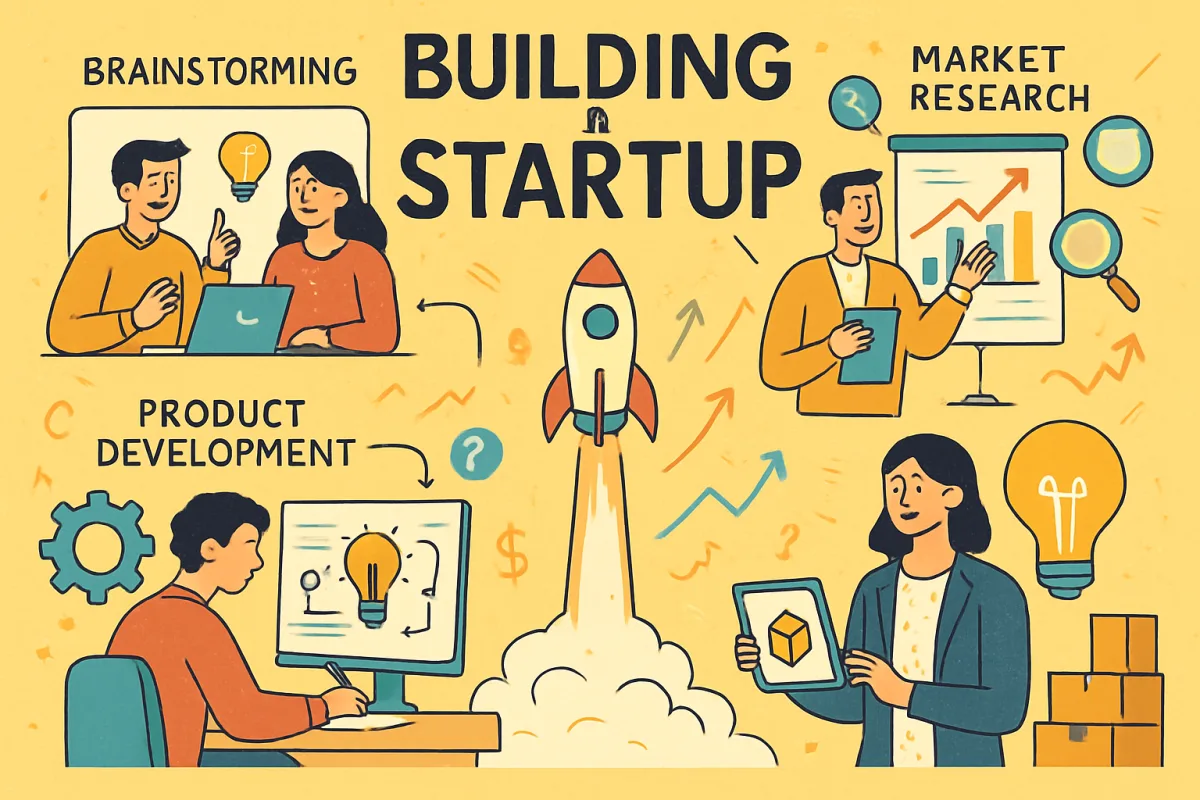
Building a startup from scratch involves several key steps: identifying a viable business idea, conducting market research, developing a business plan, securing funding, and launching your product or service. Start by validating your idea through customer feedback and market analysis. Next, create a detailed business plan outlining your goals, target audience, and financial projections. Funding can come from personal savings, investors, or loans. Finally, focus on marketing and customer acquisition strategies to successfully launch your startup.
Quick Summary
Starting a successful startup requires a systematic approach. First, identify a unique business idea that addresses a specific market need. Conduct thorough market research to validate your concept and understand your competition. Develop a comprehensive business plan that outlines your strategy, target audience, and financial projections. Secure funding through various means, including personal investments or venture capital. Finally, implement effective marketing strategies to launch and grow your business sustainably.
Curator Notes
Identifying a viable business idea is the first crucial step in building a startup. This involves recognizing a problem that needs solving or a gap in the market. Use tools like surveys or focus groups to gather insights directly from potential customers.
This validation process can save you time and resources in the long run by ensuring there is demand for your product or service. Once you have a solid idea, conducting market research is essential. This includes analyzing competitors, understanding market trends, and identifying your target audience.
Resources like industry reports and online analytics can provide valuable data. This research will inform your business strategy and help you position your startup effectively. Developing a business plan is the next step.
This document should outline your vision, mission, goals, and operational strategies. It should also include financial projections and a marketing plan. A well-structured business plan is not only a roadmap for your startup but also a critical tool for attracting investors or securing loans.
Funding your startup can be one of the most challenging aspects. Options include bootstrapping, seeking angel investors, or applying for small business loans. Each funding source has its pros and cons.
For instance, while bootstrapping allows for complete control, it may limit growth potential. Conversely, investors can provide capital but may require equity in return. Once funding is secured, focus on building your product or service.
This phase often involves prototyping, testing, and refining your offering based on user feedback. Agile methodologies can be beneficial here, allowing for iterative development and adjustments based on real-world usage. Marketing is crucial for launching your startup.
Develop a marketing strategy that includes digital marketing, social media engagement, and traditional advertising. Building a strong online presence can significantly enhance visibility and attract customers. Consider leveraging content marketing and SEO to establish authority in your niche.
Finally, be prepared for challenges along the way. The startup journey is often unpredictable, requiring adaptability and resilience. Regularly review your business plan and adjust your strategies based on performance metrics and market feedback.
Networking with other entrepreneurs can also provide support and insights that can be invaluable as you navigate the complexities of building a startup.
Recommended Options
- Eric Ries Lean Startup: Best for Entrepreneurs looking for a systematic approach to building startups Offers a methodology for developing products that meet customer needs efficiently. Signal checked: Widely recommended in startup communities and has influenced many successful entrepreneurs. Alternative to consider: The Startup Owner's Manual by Steve Blank
- Y Combinator: Best for Startups seeking mentorship and funding Provides extensive resources, networking opportunities, and funding for early-stage startups. Signal checked: Has funded and mentored successful companies like Airbnb and Dropbox. Alternative to consider: Techstars
- Kickstarter: Best for Startups looking to validate their product and raise funds Allows entrepreneurs to pre-sell their products and gauge market interest. Signal checked: Many successful startups have launched through Kickstarter, gaining both funding and visibility. Alternative to consider: Indiegogo
Best Sources
Videos and Community Signals
I am here to help you GROW YOUR WEALTH. I teach on real estate, business, business credit and how to easily become wealthy ...
Do You Need a Small Business Loan? We can help you with financing at ClearValue Lending: https://bit.ly/3ZQcgIM This video is ...
Comparison
| Decision Point | Good Starting Choice | When to Go Further |
|---|---|---|
| Funding Sources | Bootstrapping for full control and lower risk | Venture capital for rapid growth potential but with equity loss |
| Market Research Methods | Surveys for direct customer feedback | Focus groups for in-depth qualitative insights |
| Business Plan Focus | Simple outline for initial direction | Detailed plan with financial projections for investor appeal |
FAQ
The first step is identifying a viable business idea that addresses a specific market need.
Funding can be secured through personal savings, angel investors, venture capital, or crowdfunding platforms.
A business plan should include your vision, mission, goals, operational strategies, and financial projections.