How to Build a Smart Home
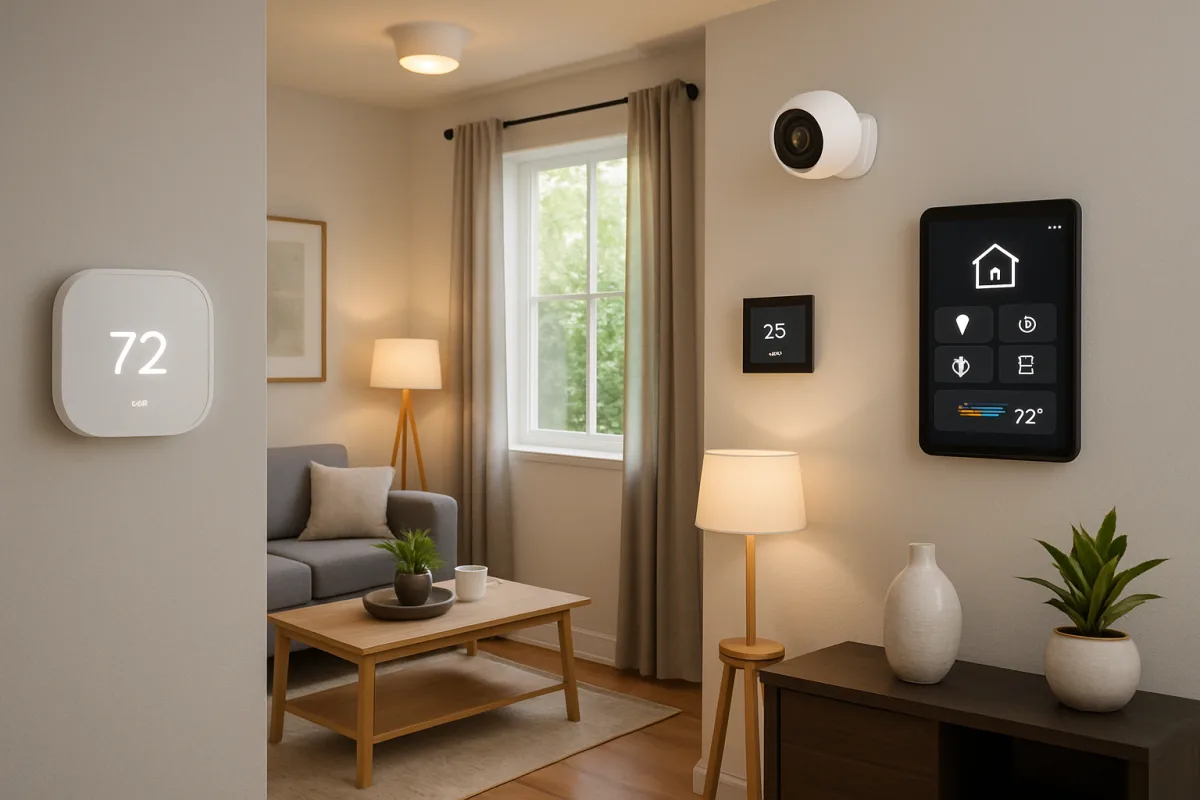
Building a smart home involves integrating various smart devices and systems to enhance convenience, security, and energy efficiency. Start by selecting a central hub, such as Amazon Echo or Google Nest Hub, which will control your devices. Choose smart lighting, thermostats, security cameras, and smart plugs that are compatible with your hub. Ensure your Wi-Fi network is robust enough to support multiple devices. Finally, consider your budget and prioritize devices that meet your specific needs.
Quick Summary
Creating a smart home can significantly improve your lifestyle by automating tasks and enhancing security. Begin with a central hub and choose compatible smart devices like lights, thermostats, and security systems. Prioritize your needs and budget to create a tailored smart home experience.
Curator Notes
To build a smart home, start by selecting a central hub that will serve as the brain of your smart home ecosystem. Popular options include Amazon Echo and Google Nest Hub, which allow you to control various devices through voice commands or a mobile app. These hubs are compatible with a wide range of smart devices, making them versatile choices for any smart home setup.
Next, consider the types of devices you want to integrate. Smart lighting, such as Philips Hue or LIFX, can enhance ambiance and save energy. Smart thermostats like the Nest Learning Thermostat can optimize heating and cooling, leading to cost savings.
Security devices, including smart cameras and doorbells from Ring or Arlo, can provide peace of mind. Ensure that your Wi-Fi network is strong enough to handle multiple devices, as connectivity is crucial for seamless operation. Finally, assess your budget and prioritize devices based on your lifestyle needs.
Start with essential devices and expand your smart home gradually. This approach allows you to adapt and learn about the technology without overwhelming yourself with too many devices at once.
Recommended Options
- Amazon Echo: Best for Users seeking a versatile voice-controlled hub. Integrates with a wide range of smart devices and offers Alexa voice control. Signal checked: Highly rated for its compatibility and user-friendly interface. Alternative to consider: Google Nest Hub
- Philips Hue: Best for Users wanting customizable lighting solutions. Offers a wide range of smart bulbs and lighting options that can be controlled remotely. Signal checked: Popular for its quality and extensive features. Alternative to consider: LIFX
- Google Nest Learning Thermostat: Best for Users looking to optimize energy usage. Signal checked: Well-reviewed for its efficiency and ease of use. Alternative to consider: Ecobee SmartThermostat
- Ring Video Doorbell: Best for Users wanting enhanced home security. Signal checked: Widely recognized for its effectiveness and reliability. Alternative to consider: Arlo Video Doorbell
Best Sources
Videos and Community Signals
Whether you're starting or growing a smart home in 2024, this video is packed with tips for beginner to advanced level! Here is the ...
Turning your home into a smart home is easier than you think! You may even have some products that are already compatible.
Comparison
| Decision Point | Good Starting Choice | When to Go Further |
|---|---|---|
| Central Hub | Amazon Echo for voice control and compatibility. | Google Nest Hub for a more visual interface. |
| Smart Lighting | Philips Hue for customizable lighting. | LIFX for vibrant colors and no hub required. |
| Smart Thermostat | Nest Learning Thermostat for energy savings. | Ecobee for room sensors and advanced scheduling. |
| Security Camera | Ring Video Doorbell for basic security. | Arlo for high-definition video and cloud storage. |
FAQ
A smart home uses internet-connected devices to manage and automate household functions, enhancing convenience and security.
Costs vary widely based on the number and type of devices, but a basic setup can start around $200 to $500.
Yes, some devices can operate independently, but a hub simplifies control and integration.