How to Build a SaaS Business
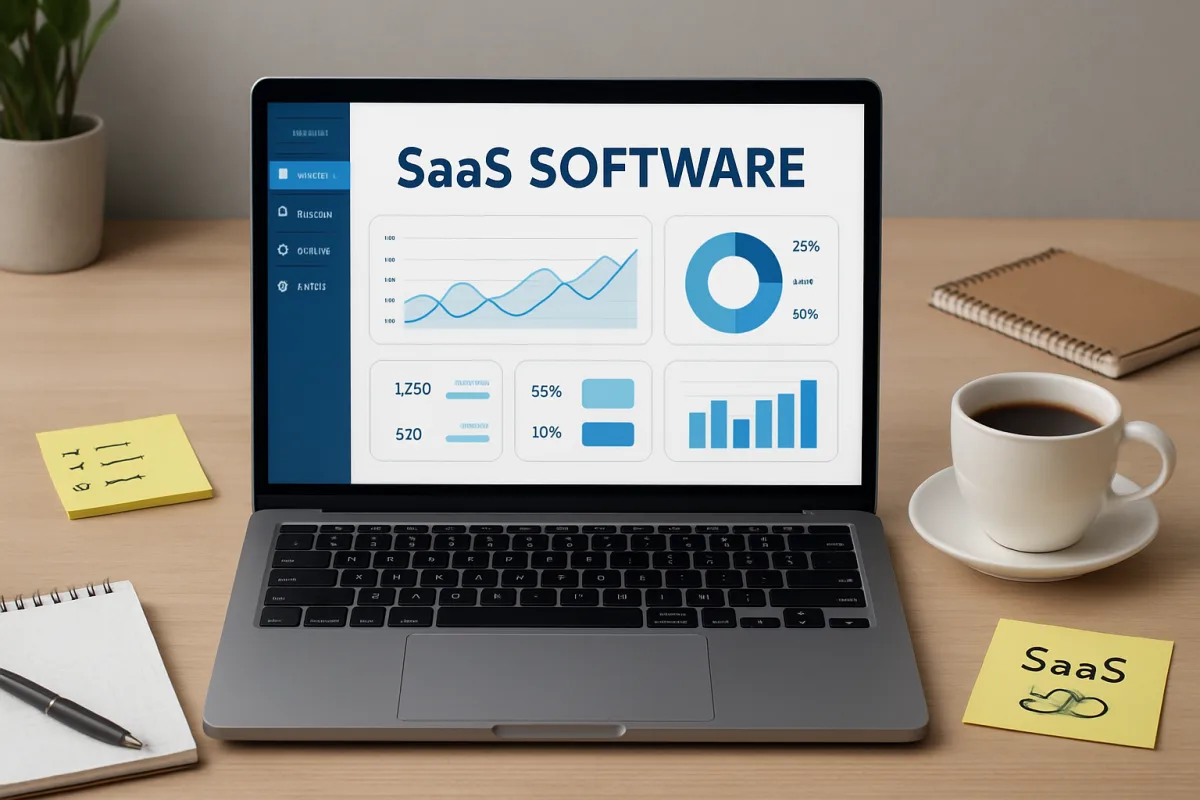
Building a SaaS business involves several key steps, including identifying a market need, developing a minimum viable product (MVP), and implementing a scalable marketing strategy. Start by researching potential customer pain points and validating your idea through surveys or interviews. Next, focus on creating an MVP that addresses these needs while minimizing development costs. Once your product is ready, leverage digital marketing channels like content marketing, SEO, and social media to attract users. Continuous feedback and iteration are crucial for long-term success, ensuring your product evolves with market demands.
Quick Summary
To successfully build a SaaS business, focus on identifying a specific market need and developing a minimum viable product (MVP) that addresses it. Validate your idea through customer feedback and surveys before investing heavily in development. Once your MVP is ready, utilize digital marketing strategies such as SEO, content marketing, and social media to reach your target audience. Regularly gather user feedback to refine your product and adapt to changing market conditions, ensuring sustained growth and relevance in a competitive landscape.
Curator Notes
Identifying a market need is the first step in building a successful SaaS business. Conduct thorough market research to understand customer pain points and gaps in existing solutions. This can involve surveys, interviews, or analyzing competitors.
The goal is to validate your idea before moving forward, ensuring there is a genuine demand for your product. Once you have validated your idea, focus on developing a minimum viable product (MVP). An MVP should include only the core features necessary to solve the identified problem.
This approach minimizes development costs and allows you to enter the market quicker. Tools like Figma or Sketch can help in designing your MVP, while platforms like AWS or Heroku can facilitate deployment. After launching your MVP, it's crucial to implement a scalable marketing strategy.
Digital marketing channels such as SEO, content marketing, and social media can effectively attract your target audience. Consider creating valuable content that addresses customer pain points, which can help in establishing your brand as an authority in the space. Gathering user feedback is essential for continuous improvement.
Use tools like Hotjar or Google Analytics to track user behavior and gather insights. Regularly updating your product based on feedback ensures that you remain competitive and relevant in a rapidly changing market. Another important aspect is pricing strategy.
Research different pricing models, such as subscription-based or tiered pricing, to determine what aligns best with your target audience's willingness to pay. Offering a free trial can also help in attracting initial users and converting them into paying customers. Finally, consider the long-term sustainability of your SaaS business.
Focus on customer retention strategies, such as providing excellent customer support and regular updates. Building a loyal customer base is often more cost-effective than acquiring new users, making retention a key factor in your business's success. In summary, building a SaaS business requires a strategic approach that encompasses market research, MVP development, effective marketing, user feedback, and sustainable growth strategies.
Each step is interconnected and critical for achieving long-term success.
Recommended Options
- Stripe: Best for Payment processing for SaaS businesses Stripe offers a robust API and excellent documentation, making it easy to integrate payment solutions. Signal checked: Widely used by startups and established companies alike, with high customer satisfaction ratings. Alternative to consider: PayPal for broader consumer recognition.
- Intercom: Best for Customer communication and support Intercom provides a comprehensive platform for customer messaging, support, and engagement. Signal checked: Highly rated for its user-friendly interface and effective customer support tools. Alternative to consider: Zendesk for more traditional support ticketing.
- AWS: Best for Cloud hosting and infrastructure AWS offers scalable cloud solutions with a wide range of services to support SaaS applications. Signal checked: Market leader in cloud services with extensive documentation and community support. Alternative to consider: Google Cloud for a more integrated approach with Google services.
Best Sources
Videos and Community Signals
Subscribe to The Martell Method Newsletter: https://bit.ly/3XEBXez ▸▸ Message me "Cust Dev" on Instagram for my full list of ...
Want to know the real truth about SaaS? In this video I cover 5 critical SaaS fundamentals that can help you grow 7-figure ...
Comparison
| Decision Point | Good Starting Choice | When to Go Further |
|---|---|---|
| Market Research | Conduct surveys and interviews to validate your idea. | Utilize analytics tools to gather deeper insights into customer behavior. |
| MVP Development | Focus on core features to minimize costs. | Incorporate user feedback during the development phase for better alignment with market needs. |
| Marketing Strategy | Use SEO and content marketing to attract users. | Implement advanced analytics and A/B testing to optimize marketing efforts. |
| Customer Feedback | Regularly collect user feedback post-launch. | Use data analytics to predict user needs and proactively implement changes. |
FAQ
The first step is to identify a market need through thorough research and validation.
User feedback is crucial for continuous improvement and ensuring your product meets market demands.
Consider various pricing models like subscription-based or tiered pricing, and test which resonates best with your audience.