How to Build a One Product Store
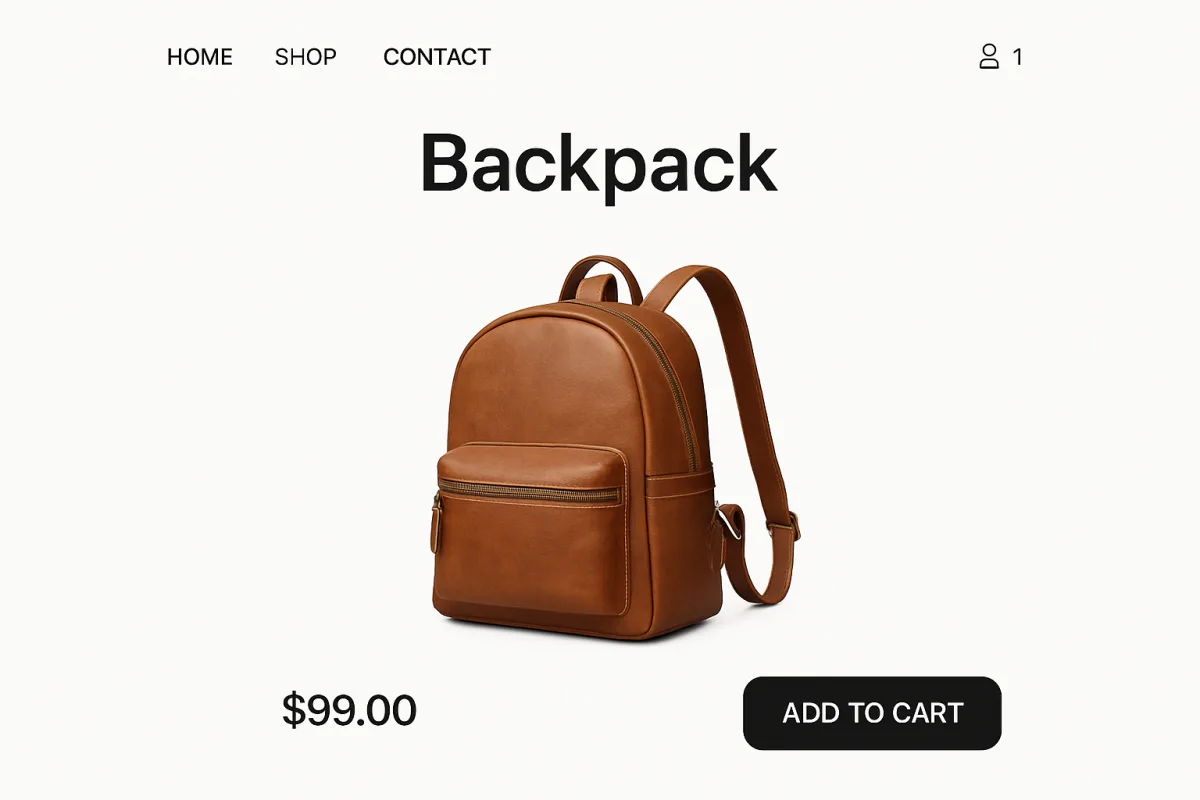
Building a one product store involves several key steps: selecting a niche, sourcing a product, creating an engaging website, and implementing effective marketing strategies. Start by identifying a niche that resonates with your target audience. Research potential products that solve a specific problem or fulfill a need. Once you have your product, use platforms like Shopify or WooCommerce to create a user-friendly online store. Focus on high-quality visuals and compelling copy to attract customers. Finally, leverage social media and email marketing to drive traffic and convert visitors into buyers.
Quick Summary
Creating a one product store can be a streamlined way to enter e-commerce. Focus on a specific niche that appeals to your target market, ensuring your product addresses a clear need. Utilize platforms like Shopify for easy setup and design, emphasizing quality visuals and persuasive content. Marketing is crucial; use social media and email campaigns to attract and retain customers. This approach minimizes complexity while maximizing potential for sales.
Curator Notes
Choosing the right niche is the first step in building a successful one product store. A well-defined niche not only helps in targeting the right audience but also reduces competition. Look for areas where you can provide unique value or where demand is growing.
Tools like Google Trends can help gauge interest in specific products over time. Once you've identified your niche, the next step is sourcing your product. Consider options like dropshipping, where you don’t hold inventory, or finding a reliable supplier for direct sales.
Evaluate product quality, shipping times, and supplier reliability, as these factors will directly impact customer satisfaction and your store's reputation. Creating your online store should be straightforward if you use platforms like Shopify or WooCommerce. These tools offer customizable templates that can help you build a professional-looking site without needing extensive technical skills.
Focus on high-quality images and concise, persuasive product descriptions to enhance user experience. Marketing your one product store effectively is crucial for driving traffic and sales. Utilize social media platforms to showcase your product and engage with potential customers.
Paid ads can also be a powerful tool, especially on platforms like Facebook and Instagram, where you can target specific demographics. Email marketing is another effective strategy. Building an email list allows you to communicate directly with interested customers, offering promotions or updates that can encourage purchases.
Consider using tools like Mailchimp or Klaviyo to manage your campaigns efficiently. Finally, monitor your store's performance using analytics tools. Understanding customer behavior can help you refine your marketing strategies and improve your product offerings.
Pay attention to metrics like conversion rates and customer feedback, as these insights will guide your future decisions. Building a one product store is not without its challenges, but with careful planning and execution, it can be a rewarding venture. Stay adaptable and open to feedback, and continuously seek ways to improve your product and customer experience.
Recommended Options
- Shopify: Best for Beginners looking for an easy-to-use platform Shopify offers a user-friendly interface and extensive support for e-commerce. Signal checked: Widely used by millions of merchants, with high customer satisfaction ratings. Alternative to consider: WooCommerce for those with existing WordPress sites.
- Printful: Best for Dropshipping custom products Integrates seamlessly with e-commerce platforms and offers a variety of customizable products. Signal checked: Positive reviews for product quality and customer service. Alternative to consider: Oberlo for sourcing products from AliExpress.
- Mailchimp: Best for Email marketing automation User-friendly and offers a free tier for small businesses. Signal checked: Popular among e-commerce businesses for its effectiveness in driving sales. Alternative to consider: Klaviyo for more advanced segmentation features.
Best Sources
Videos and Community Signals
I built a profitable Shopify store in 1 hour In this short I make a profitable Shopify dropshipping store in just 1hr! The point of the ...
In this video, I'll be demonstrating some essential Shopify tips to help you customize different settings and sections inside your ...
Comparison
| Decision Point | Good Starting Choice | When to Go Further |
|---|---|---|
| Platform choice | Shopify for ease of use and support. | WooCommerce for customization and control. |
| Product sourcing | Dropshipping with Printful for low upfront costs. | Direct sourcing for better profit margins and quality control. |
| Marketing strategy | Social media marketing for immediate engagement. | Email marketing for long-term customer relationships. |
FAQ
A one product store focuses on selling a single product, allowing for streamlined marketing and customer engagement.
Identify a niche with demand, research competitors, and ensure your product solves a specific problem.
Shopify is ideal for beginners, while WooCommerce offers more customization for those familiar with WordPress.