How to Build a Learning Routine
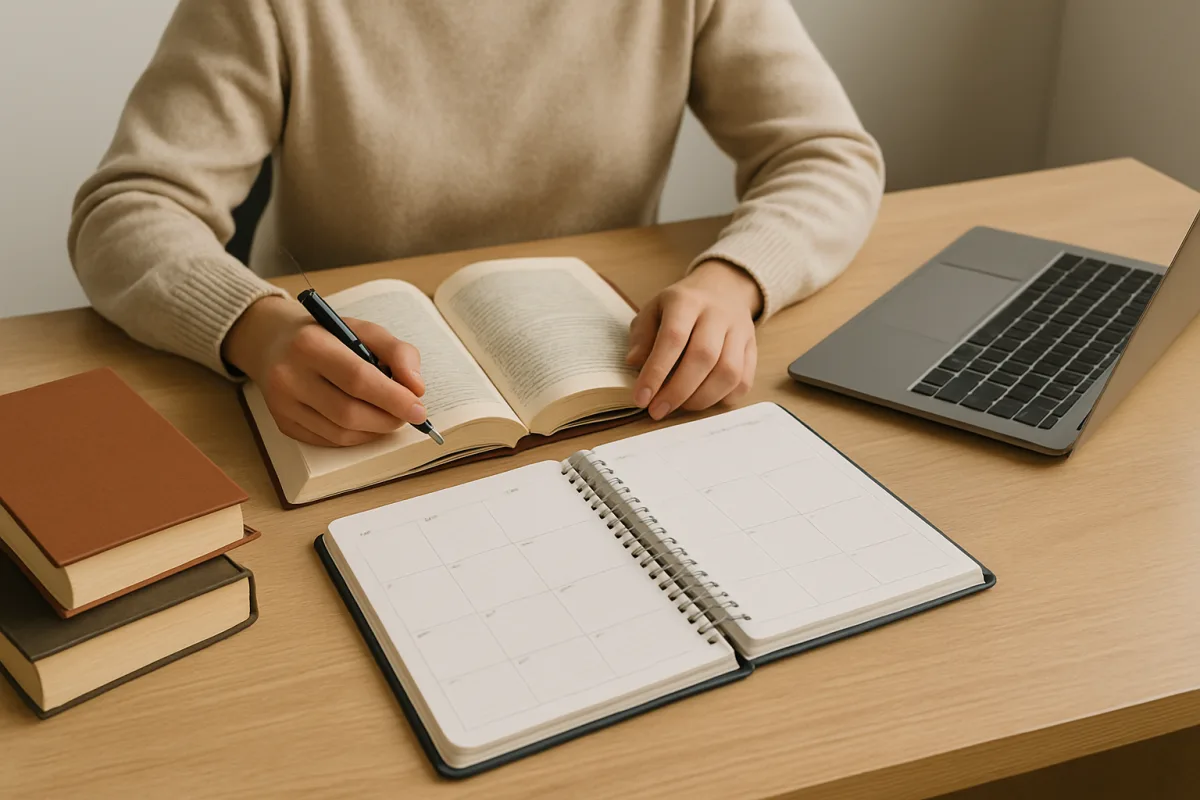
Building a learning routine involves creating a structured approach to acquiring new knowledge and skills. Start by setting clear goals, determining your preferred learning style, and allocating specific times for study. Incorporate diverse resources such as books, online courses, and practice exercises. Regularly review and adjust your routine to stay motivated and effective. This method not only enhances retention but also fosters a lifelong learning habit.
Quick Summary
A learning routine is essential for effective knowledge acquisition. By setting clear goals, choosing the right resources, and scheduling dedicated study time, you can create a personalized approach to learning. Regular adjustments and diverse materials will keep you engaged and improve retention.
Curator Notes
To build a successful learning routine, begin by defining your learning objectives. What skills or knowledge do you want to acquire? Setting specific, measurable goals will give you direction and motivation.
For example, if you're learning a new language, aim to complete a certain number of lessons each week or practice speaking for a set amount of time daily. Next, consider your learning style. Are you a visual learner who benefits from videos and infographics, or do you prefer reading and writing?
Tailoring your resources to fit your style can enhance your understanding and retention. Utilize a mix of materials like online courses, podcasts, and books to keep your routine dynamic and engaging. Finally, establish a consistent schedule.
Dedicate specific times each day or week for learning, treating these sessions as appointments. Regularly review your progress and adjust your routine as needed to maintain motivation and effectiveness. Remember, the key to a successful learning routine is consistency and adaptability.
Recommended Options
- Duolingo: Best for Language learners seeking a gamified experience Offers bite-sized lessons and a fun interface that encourages daily practice. Signal checked: Over 500 million users and high app store ratings. Alternative to consider: Babbel for more structured lessons.
- Coursera: Best for Individuals looking for university-level courses Provides access to courses from top universities and institutions. Signal checked: Millions of enrolled learners and partnerships with leading universities. Alternative to consider: edX for a similar offering with different institutions.
- Anki: Best for Students needing effective memorization tools Utilizes spaced repetition to enhance memory retention. Signal checked: Widely recommended by educators and learners alike. Alternative to consider: Quizlet for a more social learning experience.
Best Sources
Videos and Community Signals
one of the key elements to my learning has always been consistency. i might not always have had the best methods, or i might not ...
Learning System Diagnostic (free) - See how the way you learn compares to top learners: https://bit.ly/4c1BE18 Join my Learning ...
Comparison
| Decision Point | Good Starting Choice | When to Go Further |
|---|---|---|
| Learning Style Adaptation | Use resources that match your preferred style. | Incorporate diverse materials for a well-rounded approach. |
| Goal Setting | Set clear, achievable goals. | Regularly review and adjust goals based on progress. |
| Scheduling | Allocate specific times for learning. | Create a flexible schedule that adapts to your lifestyle. |
FAQ
Aim for at least 30 minutes to an hour daily, adjusting based on your goals and availability.
Mix up your resources and methods, and set small rewards for achieving milestones to keep yourself engaged.