How to Build a Lean Startup
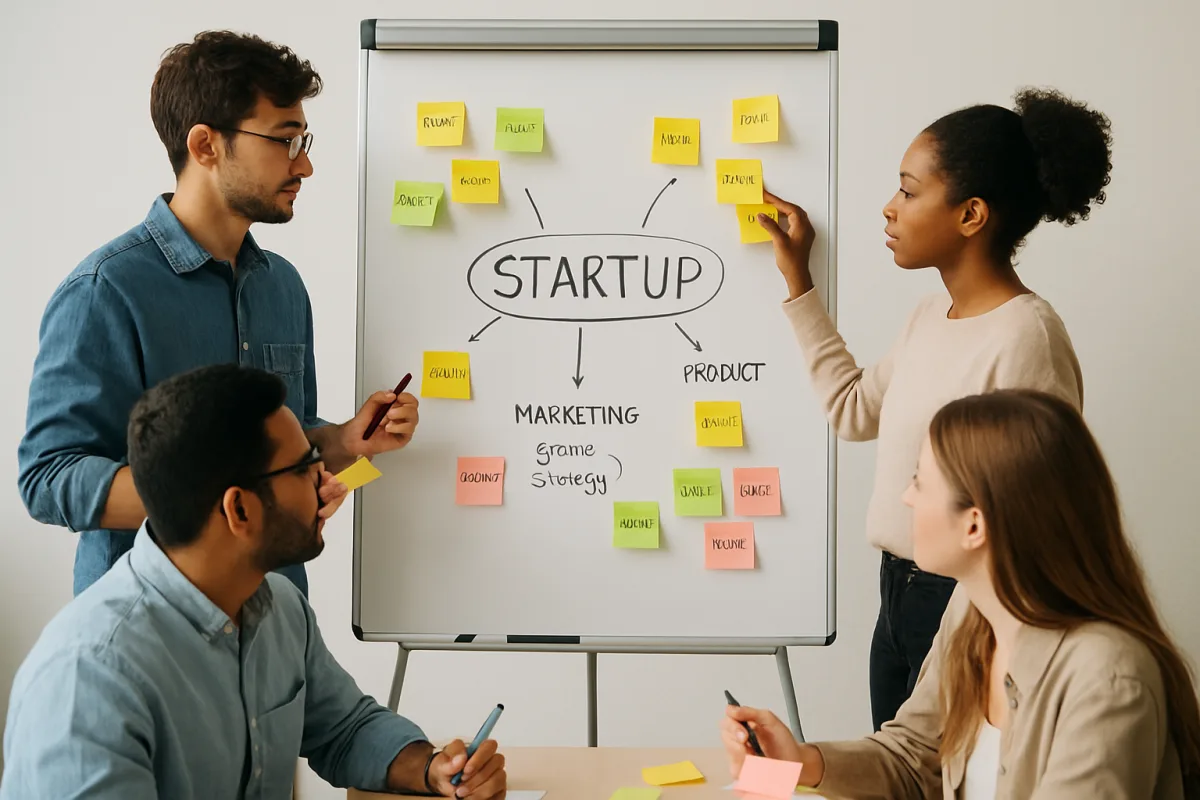
Building a Lean Startup involves a systematic approach to developing a business that emphasizes rapid experimentation, validated learning, and iterative product releases. Start by identifying a problem worth solving, then create a Minimum Viable Product (MVP) to test your assumptions. Use customer feedback to refine your product and pivot if necessary. This methodology minimizes waste and maximizes learning, allowing you to adapt quickly to market needs.
Quick Summary
To build a Lean Startup, focus on rapid experimentation and customer feedback. Begin with a clear problem statement and develop a Minimum Viable Product (MVP) to test your ideas in the market. Gather insights from early adopters to refine your offering, ensuring that you are meeting real customer needs. This iterative process helps to reduce risk and optimize resources, making your startup more resilient and adaptable.
Curator Notes
The Lean Startup methodology, popularized by Eric Ries, is designed to help entrepreneurs efficiently build and grow their businesses. It emphasizes the importance of validating ideas through real-world testing rather than relying solely on assumptions or extensive planning. The first step is to identify a problem that needs solving, which should be based on genuine customer pain points rather than personal preferences.
Once you have a clear problem statement, the next step is to develop a Minimum Viable Product (MVP). This is a simplified version of your product that allows you to test your core assumptions with minimal resources. The goal is to collect data on how potential customers interact with your MVP, which can provide invaluable insights into what features are necessary and what can be improved.
Customer feedback is crucial in the Lean Startup process. After launching your MVP, actively seek input from users to understand their experiences and preferences. This feedback loop enables you to make informed decisions about whether to pivot (change direction) or persevere (continue on the current path).
The ability to pivot quickly based on feedback is one of the key advantages of the Lean Startup approach. Another important aspect is the Build-Measure-Learn feedback loop. This cycle encourages you to build your MVP, measure its performance in the market, and learn from the results.
By continuously iterating on your product based on real user data, you can refine your offering and better meet market demands. It's also essential to set measurable goals and key performance indicators (KPIs) to track your progress. This helps you stay focused on what matters most and allows you to assess whether your business model is viable.
Regularly reviewing these metrics can guide your decisions and help you avoid common pitfalls. While the Lean Startup methodology offers many advantages, it also comes with challenges. Entrepreneurs must be willing to embrace uncertainty and be open to changing their ideas based on feedback.
This requires a mindset shift, as many founders are initially attached to their original vision. Learning to let go of preconceived notions can be difficult but is often necessary for success. In summary, building a Lean Startup is about being agile, responsive, and data-driven.
By focusing on customer needs and iterating quickly, you can create a product that resonates with your target audience while minimizing waste and risk. This approach not only increases your chances of success but also fosters a culture of continuous improvement within your organization.
Recommended Options
- Eric Ries Lean Startup: Best for Entrepreneurs seeking a structured approach to startup development Offers a comprehensive framework for building a startup based on validated learning. Signal checked: Widely regarded as a foundational text in entrepreneurship, with numerous positive reviews. Alternative to consider: The Startup Owner's Manual by Steve Blank
- Business Model Canvas: Best for Visualizing and testing business models Provides a clear framework for mapping out key components of a business. Signal checked: Used by startups and established companies alike for strategic planning. Alternative to consider: Lean Canvas by Ash Maurya
Best Sources
Videos and Community Signals
Future360 was thrilled to meet with serial entrepreneur Steve Blank who offered sage advice to entrepreneurs on How to Build a ...
Support the channel by getting The Lean Startup by Eric Ries here: https://amzn.to/2IM6JLp As an Amazon Associate I earn from ...
Comparison
| Decision Point | Good Starting Choice | When to Go Further |
|---|---|---|
| MVP Development | Focus on core features to test assumptions quickly. | Incorporate user feedback to refine features and add complexity. |
| Customer Feedback | Gather initial reactions to the MVP. | Conduct in-depth interviews and surveys for deeper insights. |
| Iteration Frequency | Make changes based on immediate feedback. | Establish a regular schedule for updates based on data analysis. |
FAQ
A Lean Startup is a methodology that emphasizes rapid experimentation, validated learning, and iterative product releases to minimize waste and maximize customer value.
Identify the core features necessary to solve the primary problem, build a simplified version of the product, and test it with real users.
Analyze the feedback to understand why it didn't resonate with users and consider pivoting your approach or refining your product based on insights.