How to Build a Healthy Diet
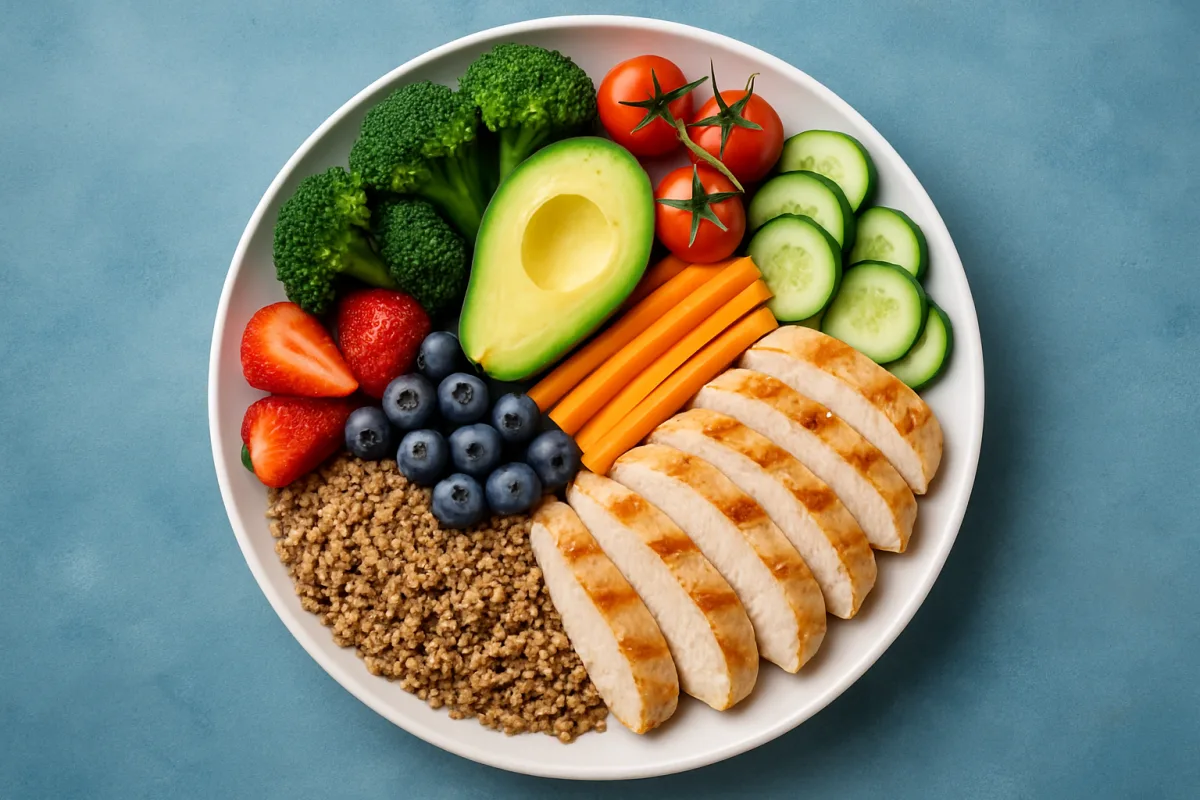
Building a healthy diet involves incorporating a variety of nutrient-dense foods while balancing macronutrients and micronutrients. Start by including whole grains, lean proteins, healthy fats, and plenty of fruits and vegetables. It's essential to limit processed foods, added sugars, and excessive sodium. A well-rounded diet not only supports physical health but also enhances mental well-being. For personalized guidance, consider consulting a registered dietitian.
Quick Summary
A healthy diet is crucial for overall well-being. Focus on whole foods, balance macronutrients, and limit processed items. Incorporate fruits, vegetables, lean proteins, and whole grains for optimal health. Consulting a dietitian can provide tailored advice.
Curator Notes
To build a healthy diet, start by focusing on whole, minimally processed foods. Incorporate a variety of fruits and vegetables, aiming for a colorful plate to ensure a wide range of vitamins and minerals. Whole grains like brown rice, quinoa, and oats should replace refined grains, providing essential fiber and nutrients.
Lean proteins, such as chicken, fish, beans, and legumes, are vital for muscle repair and overall health. Healthy fats, found in avocados, nuts, seeds, and olive oil, should also be included, as they support heart health and help absorb fat-soluble vitamins. It's important to limit the intake of added sugars and sodium, often found in processed foods, as they can lead to various health issues.
Staying hydrated and mindful of portion sizes will further enhance dietary choices. For those seeking personalized advice, consulting a registered dietitian can provide tailored recommendations based on individual health needs and goals.
Recommended Options
- MyFitnessPal: Best for Tracking daily food intake and nutritional goals Offers a comprehensive food database and easy tracking features. Signal checked: Highly rated with millions of users and positive reviews. Alternative to consider: Lose It!
- Zinc Media Eat This, Not That!: Best for Learning about healthier food choices Provides practical advice on food swaps and nutrition. Signal checked: Popular among health enthusiasts and frequently recommended. Alternative to consider: The Food Lab by J. Kenji López-Alt
- USDA Nutritional Guidelines: Best for Understanding dietary recommendations Backed by government research and updated regularly. Signal checked: Widely used by health professionals and educators. Alternative to consider: Dietary Guidelines for Americans
Best Sources
Videos and Community Signals
MY WEBSITE AND DIET PLANS▹ https://www.dietitianandreaurizar.com/ ABOUT ME▹ Hello there! My name is Andrea and ...
View full lesson: http://ed.ted.com/lessons/how-the-food-you-eat-affects-your-brain-mia-nacamulli When it comes to what you bite, ...
Comparison
| Decision Point | Good Starting Choice | When to Go Further |
|---|---|---|
| Dietary Focus | Balanced diet with whole foods | Customized meal plans based on specific health goals |
| Tracking Progress | Basic food journal | Advanced apps with nutritional analysis and goal setting |
| Professional Guidance | Self-education through books | One-on-one consultations with a registered dietitian |
FAQ
A healthy diet includes a variety of fruits, vegetables, whole grains, lean proteins, and healthy fats while limiting processed foods and added sugars.
Begin by incorporating more whole foods into your meals, planning balanced meals, and gradually reducing processed food intake.
While not necessary for everyone, a dietitian can provide personalized advice and help you achieve specific health goals.