How to Become an Influencer
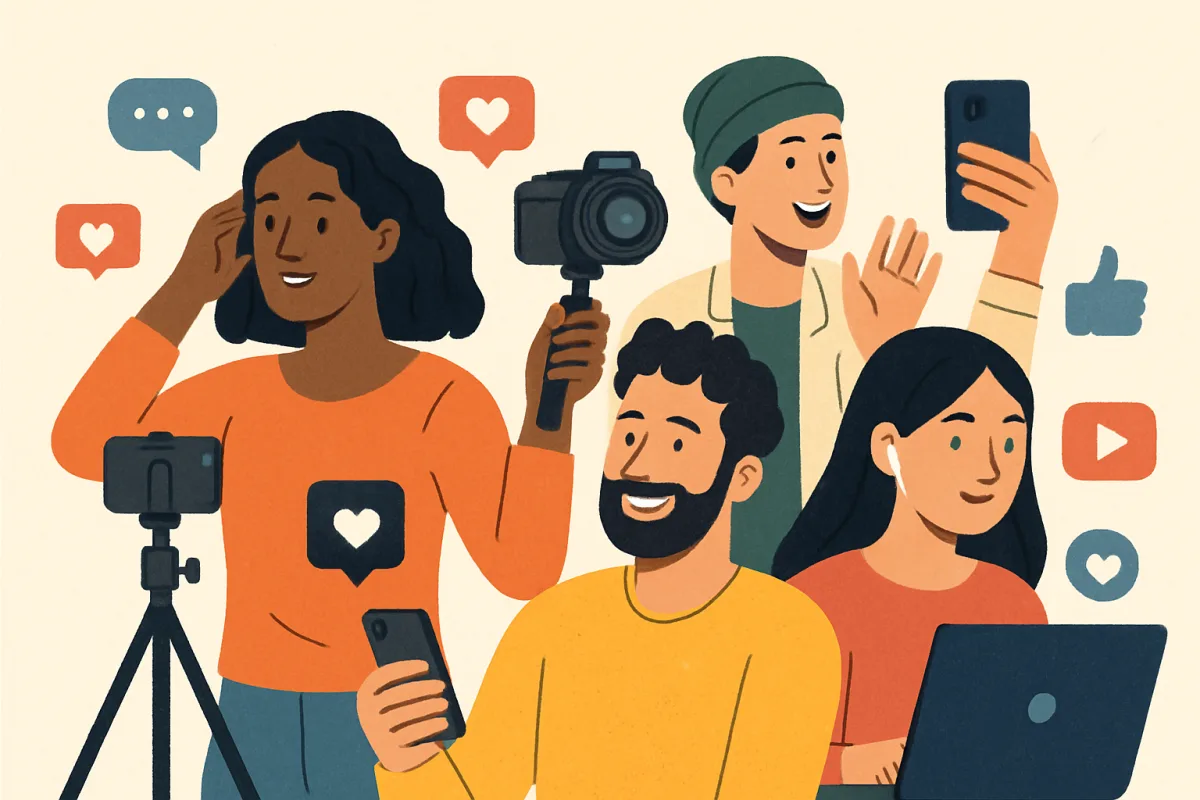
To become an influencer, start by identifying your niche and target audience. Create high-quality content consistently across platforms like Instagram, TikTok, or YouTube. Engage with your audience and collaborate with other influencers to grow your reach. Utilize analytics to refine your strategy and explore monetization options like sponsorships or affiliate marketing.
Quick Summary
Becoming an influencer involves selecting a niche, creating engaging content, and building a community. Focus on consistency, audience interaction, and strategic collaborations to grow your influence and explore monetization avenues.
Curator Notes
To embark on your journey as an influencer, the first step is to identify your niche. This could be anything from fashion, fitness, travel, or technology. Understanding your target audience is crucial; it helps tailor your content to meet their interests and needs.
Research your niche thoroughly to find gaps where you can provide unique insights or entertainment. Once you have your niche, focus on creating high-quality content. This means investing in good equipment for photography or videography, learning editing skills, and maintaining a consistent posting schedule.
Platforms like Instagram, TikTok, and YouTube each have their unique audience and content styles, so choose the ones that align best with your strengths. Engagement is key in building a loyal community. Respond to comments, ask for feedback, and collaborate with other influencers to broaden your reach.
Utilize analytics tools to track your performance and refine your strategy based on what resonates with your audience. Finally, explore monetization options such as sponsorships, affiliate marketing, or even creating your own products to turn your passion into a sustainable career.
Recommended Options
- Canva: Best for Content creation and graphic design User-friendly interface with a vast library of templates and design elements. Signal checked: Widely used by influencers for creating engaging visuals. Alternative to consider: Adobe Spark for more advanced design features.
- Hootsuite: Best for Social media management Allows scheduling posts across multiple platforms, saving time. Signal checked: Popular among influencers for managing their online presence. Alternative to consider: Buffer for simpler scheduling options.
- TubeBuddy: Best for YouTube channel optimization Provides tools for SEO, analytics, and video promotion. Signal checked: Highly rated by YouTube creators for improving channel performance. Alternative to consider: VidIQ for similar features with a focus on analytics.
Best Sources
Videos and Community Signals
I posted on my instagram story asking you guys to share your influencer questions and I thought id make a full length youtube ...
I built over 22 million followers and 10 billion views without a big team, without a fancy camera, and without shortcuts. Just years of ...
Comparison
| Decision Point | Good Starting Choice | When to Go Further |
|---|---|---|
| Niche Selection | Choose a popular niche with high engagement potential. | Identify a sub-niche to stand out in a crowded market. |
| Content Creation | Post consistently with basic quality. | Invest in professional equipment and editing for higher quality. |
| Audience Engagement | Respond to comments and messages. | Host live sessions and Q&As to deepen connections. |
| Monetization Strategies | Start with affiliate marketing. | Develop your own product line or services. |
FAQ
The timeline varies; some may gain traction in months, while others may take years. Consistency and quality are key.
Not necessarily. Micro-influencers with engaged audiences can also attract sponsorships.
It depends on your niche. Instagram and TikTok are great for visual content, while YouTube is ideal for longer videos.