How to Avoid Jet Lag
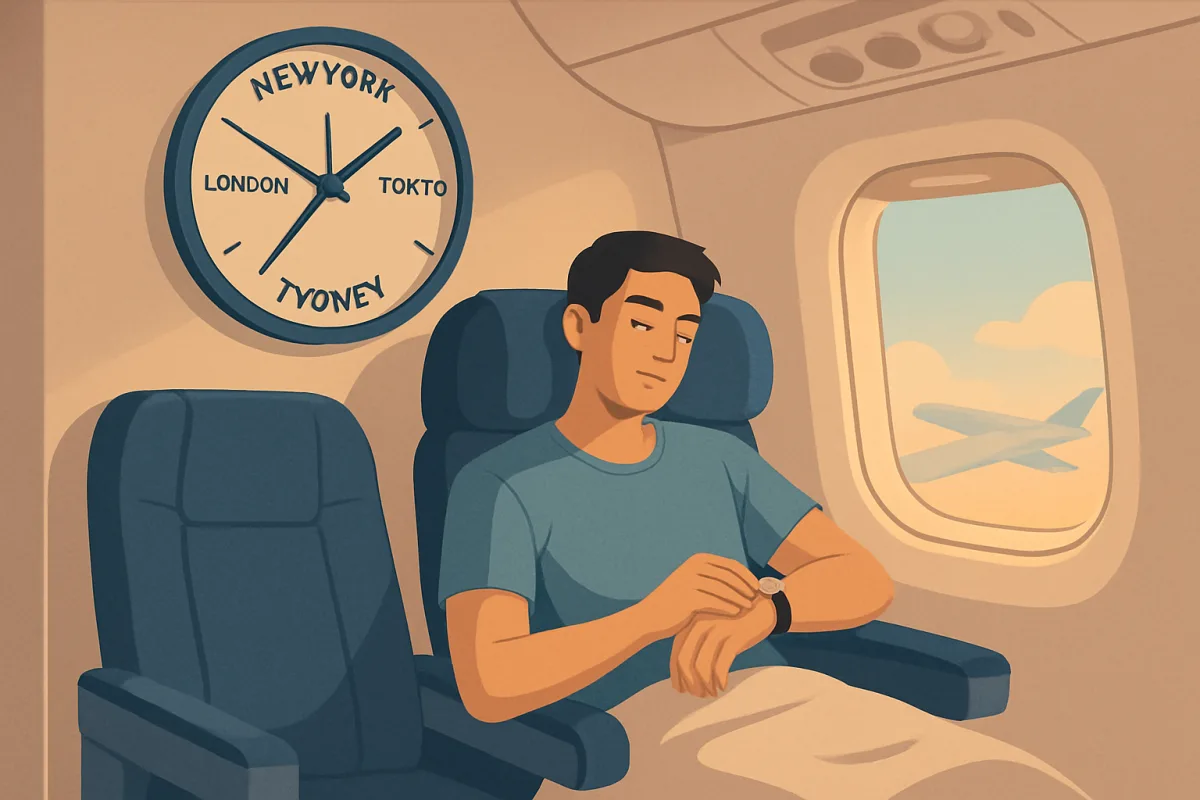
To effectively avoid jet lag, consider adjusting your sleep schedule before your trip, staying hydrated, and using light exposure strategically. Gradually shift your bedtime closer to your destination's time zone a few days prior to departure. During the flight, drink plenty of water and avoid alcohol and caffeine, as they can disrupt sleep patterns. Once you arrive, expose yourself to natural light to help reset your internal clock. These strategies can significantly minimize the effects of jet lag.
Quick Summary
Jet lag can be a significant hurdle for travelers, but there are practical strategies to mitigate its effects. Adjusting your sleep schedule ahead of time, staying hydrated during your flight, and utilizing light exposure upon arrival can help your body acclimate faster. Avoiding alcohol and caffeine during travel is also crucial. Implementing these methods can lead to a smoother transition into your new time zone and enhance your overall travel experience.
Curator Notes
Jet lag occurs when your body's internal clock is out of sync with the time zone you’ve traveled to. This often leads to fatigue, irritability, and difficulty concentrating. One of the most effective strategies to combat jet lag is to gradually adjust your sleep schedule before your trip.
If possible, start shifting your bedtime and wake time by an hour or two in the days leading up to your departure. This gradual adjustment can help your body adapt more smoothly to the new time zone. Staying hydrated during your flight is another key factor.
Airplane cabins are typically quite dry, which can exacerbate feelings of fatigue. Drink plenty of water throughout your flight and limit your intake of alcohol and caffeine, as both can disrupt your sleep and hydration levels. Consider packing a refillable water bottle to ensure you have access to hydration throughout your journey.
Upon arrival, exposure to natural light can help reset your internal clock. Spend time outdoors during daylight hours, especially in the morning, to signal to your body that it’s time to be awake. Conversely, if you arrive in the evening, try to limit your exposure to bright lights to help your body wind down.
Another practical tip is to consider using sleep aids, such as melatonin, but consult with a healthcare professional before doing so. Melatonin can help regulate your sleep-wake cycle, making it easier to fall asleep at the appropriate local time. It's also important to listen to your body.
If you feel tired, allow yourself to take short naps, but avoid long sleeps during the day, as this can interfere with your ability to sleep at night. Instead, aim for a full night's sleep in your new time zone as soon as possible. Lastly, be mindful of your activities upon arrival.
Plan lighter activities for your first day to allow your body time to adjust. Avoid scheduling demanding tasks or excursions until you feel more acclimated. By implementing these strategies, you can significantly reduce the impact of jet lag and enjoy your travels more fully.
Recommended Options
- Melatonin Supplements: Best for Travelers needing help adjusting sleep cycles Melatonin can help regulate sleep patterns, making it easier to adapt to new time zones. Signal checked: Widely recommended by sleep experts and travelers alike. Alternative to consider: Natural sleep aids like valerian root.
- Trtl Travel Pillow: Best for Comfort during long flights Designed to support your neck and help you sleep better on planes. Signal checked: Highly rated for comfort and effectiveness in travel. Alternative to consider: Traditional U-shaped travel pillows.
- Nuun Hydration Tablets: Best for Maintaining hydration during flights Effervescent tablets that enhance water intake and replenish electrolytes. Signal checked: Popular among athletes and travelers for hydration. Alternative to consider: Electrolyte powders.
Best Sources
Videos and Community Signals
Having trouble sleeping? Visit my website to get better sleep tonight ⤵️ https://sleepdoctor.com/?youtube_id=cn5NbSmlgwA Jet ...
You can't change the time, but you can play some clever tricks on how your body perceives time. Read more on our blog: ...
Comparison
| Decision Point | Good Starting Choice | When to Go Further |
|---|---|---|
| Adjusting Sleep Schedule | Shift bedtime gradually before travel. | Use apps to track sleep and optimize adjustments. |
| Hydration Management | Drink water during the flight. | Use hydration tracking apps to ensure adequate intake. |
| Light Exposure | Get sunlight upon arrival. | Consider light therapy devices for severe cases. |
FAQ
Jet lag typically lasts a few days, depending on the number of time zones crossed and individual adaptation.
Some travelers use melatonin or prescription sleep aids, but consult a healthcare provider for advice.
It's best to stay awake until the local bedtime to help your body adjust more quickly.