How the SEC Views Crypto
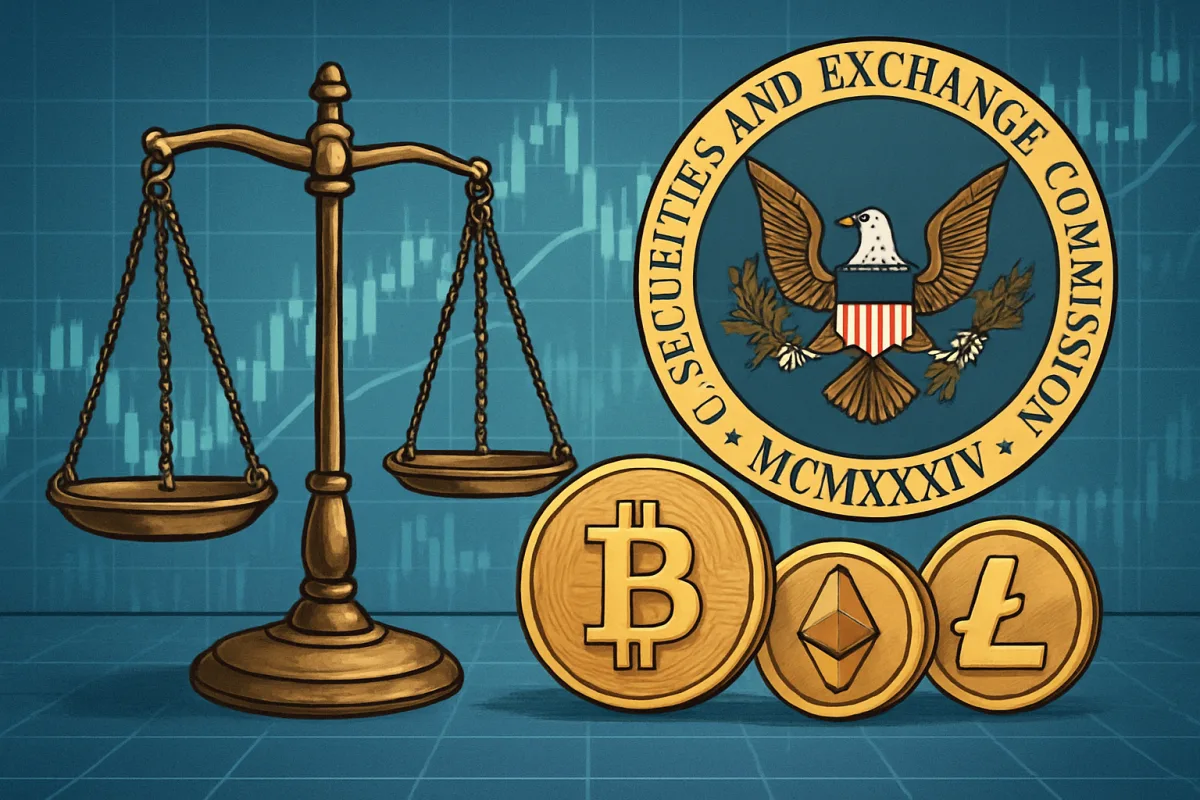
The SEC views cryptocurrency primarily as a security, which subjects it to federal securities laws. This perspective stems from the Howey Test, which determines whether an asset is an investment contract. The SEC emphasizes the need for investor protection and market integrity, leading to increased scrutiny on crypto exchanges and Initial Coin Offerings (ICOs). However, there are ongoing debates about the classification of certain cryptocurrencies, particularly stablecoins and utility tokens, which complicates regulatory clarity. Overall, the SEC's stance aims to balance innovation in the crypto space with necessary regulatory oversight.
Quick Summary
The SEC's perspective on cryptocurrency is largely shaped by its classification as a security under U.S. law. This classification is rooted in the Howey Test, which assesses whether an asset qualifies as an investment contract. The SEC's focus is on protecting investors and ensuring market integrity, resulting in heightened scrutiny of crypto exchanges and ICOs. However, the evolving nature of cryptocurrencies, including stablecoins and utility tokens, presents challenges for regulatory clarity. The SEC's approach seeks to foster innovation while maintaining essential oversight in the crypto market.
Curator Notes
The SEC's view on cryptocurrency is primarily influenced by its classification of digital assets as securities. This classification is guided by the Howey Test, which evaluates whether an asset is an investment contract. If it meets the criteria, it falls under the SEC's jurisdiction, requiring compliance with federal securities laws.
This has significant implications for crypto exchanges and Initial Coin Offerings (ICOs), which must adhere to strict regulatory standards to protect investors. One of the main concerns for the SEC is investor protection. The agency aims to prevent fraud and manipulation in the rapidly evolving crypto market.
As a result, it has taken action against several companies for failing to register their tokens as securities. This proactive stance underscores the SEC's commitment to maintaining market integrity, especially as more investors enter the crypto space. However, the classification of certain cryptocurrencies remains contentious.
For instance, stablecoins, which are pegged to traditional currencies, and utility tokens, which provide access to specific services, often challenge the SEC's regulatory framework. The ambiguity surrounding these assets complicates the SEC's ability to provide clear guidance, leading to ongoing discussions about the need for tailored regulations. Moreover, the SEC's approach has sparked debates within the crypto community.
Some argue that excessive regulation stifles innovation and growth in the sector. Others believe that a clear regulatory framework could enhance legitimacy and attract institutional investment. This dichotomy highlights the need for a balanced approach that fosters innovation while ensuring adequate protections for investors.
In recent years, the SEC has also emphasized the importance of compliance among crypto exchanges. By requiring these platforms to register and adhere to securities laws, the SEC aims to create a safer trading environment. This focus on regulation has led to increased scrutiny of exchanges, with several facing enforcement actions for non-compliance.
Looking ahead, the SEC's evolving stance on cryptocurrency will likely continue to shape the landscape of digital assets. As the market matures, it is essential for regulators to adapt their approaches to address the unique challenges posed by cryptocurrencies. This will require ongoing dialogue between regulators, industry participants, and investors to ensure that the regulatory framework remains relevant and effective.
Ultimately, the SEC's view on cryptocurrency reflects a broader effort to balance innovation with necessary oversight. As the crypto market continues to grow, the agency's actions will play a crucial role in determining the future of digital assets and their integration into the financial system.
Best Sources
Videos and Community Signals
With new policy enforcement actions from the SEC seemingly every month, it's about time they established definitively that they ...
Throwback to 2018: Gary Gensler, the current chair of the U.S. Securities and Exchange Commission, confidently declared Bitcoin ...
Comparison
| Decision Point | Good Starting Choice | When to Go Further |
|---|---|---|
| Online booking | A simple booking page with service duration, staff assignment and confirmation emails. | Multi-location calendars, deposits, cancellation rules and waitlist handling. |
| Client records | Basic notes, visit history and contact details are enough to start. | Segmentation, purchase history, memberships, forms and before-after notes become more important. |
| Reminders | SMS or email reminders help reduce no-shows without adding admin work. | Automated rebooking, follow-up campaigns and missed-appointment recovery matter more. |
| Payments | Card capture and checkout should be simple and transparent. | Packages, memberships, staff commissions, tips and refunds need cleaner reporting. |
| Marketing | Light email or SMS campaigns are useful if they are easy to run. | Automated win-back, birthday offers, review requests and audience segments create more leverage. |
FAQ
The SEC's primary concern is investor protection and market integrity, ensuring that cryptocurrencies are regulated to prevent fraud and manipulation.
The SEC classifies many cryptocurrencies as securities based on the Howey Test, which determines if an asset is an investment contract.
The SEC faces challenges in regulating cryptocurrencies due to the evolving nature of digital assets, particularly with stablecoins and utility tokens.
The SEC has taken enforcement actions against several crypto exchanges for failing to register their tokens as securities and for non-compliance with federal securities laws.