How Metabolism Changes With Age
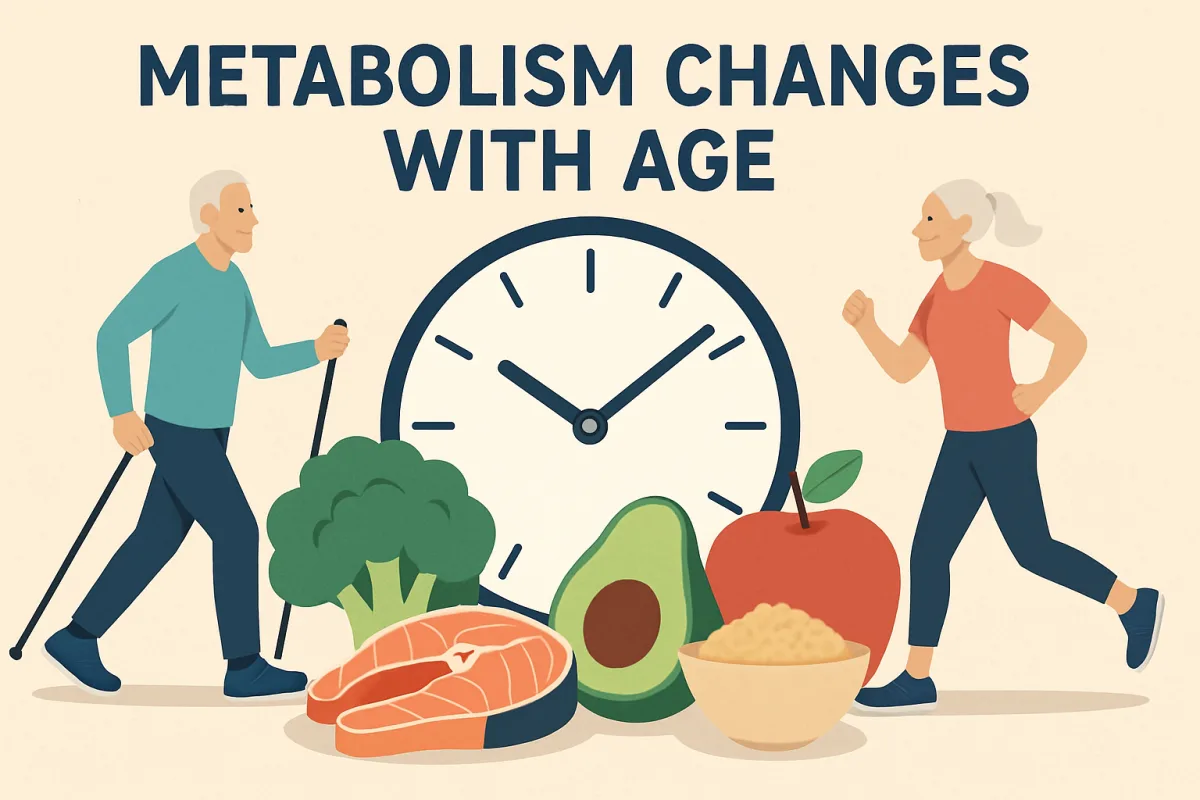
As we age, our metabolism tends to slow down due to various factors such as hormonal changes, muscle mass reduction, and decreased physical activity. This decline can lead to weight gain and other health issues if not managed properly. Understanding these changes can help individuals adapt their diet and exercise routines to maintain a healthy weight and overall well-being.
Quick Summary
Metabolism naturally changes with age, often slowing down due to hormonal shifts and muscle loss. This can impact weight management and health, making it crucial to adapt lifestyle choices accordingly.
Curator Notes
Metabolism refers to the chemical processes that convert food into energy. As we age, several factors contribute to a decline in metabolic rate. One significant factor is hormonal changes, particularly a decrease in hormones like testosterone and estrogen, which can affect muscle mass and fat distribution.
Additionally, muscle mass naturally decreases with age, a condition known as sarcopenia. Since muscle burns more calories than fat, a reduction in muscle mass can lead to a slower metabolism. Furthermore, many individuals become less physically active as they age, which also contributes to a decrease in metabolic rate.
To counteract these changes, it is essential to engage in regular physical activity, particularly strength training, to help maintain muscle mass. Adjusting dietary habits to include more protein and fewer processed foods can also support metabolic health. Understanding these changes allows individuals to make informed lifestyle choices that promote better health as they age.
Best Sources
Videos and Community Signals
Let's discuss ways to prevent fat gain with age. Support your Intermittent Fasting lifestyle with the Berberine Fasting Accelerator by ...
Is it harder to lose weight as you age? No according to Herman Pontzer, an anthropologist, who explains on Babbage, our ...
Comparison
| Decision Point | Good Starting Choice | When to Go Further |
|---|---|---|
| Online booking | A simple booking page with service duration, staff assignment and confirmation emails. | Multi-location calendars, deposits, cancellation rules and waitlist handling. |
| Client records | Basic notes, visit history and contact details are enough to start. | Segmentation, purchase history, memberships, forms and before-after notes become more important. |
| Reminders | SMS or email reminders help reduce no-shows without adding admin work. | Automated rebooking, follow-up campaigns and missed-appointment recovery matter more. |
| Payments | Card capture and checkout should be simple and transparent. | Packages, memberships, staff commissions, tips and refunds need cleaner reporting. |
| Marketing | Light email or SMS campaigns are useful if they are easy to run. | Automated win-back, birthday offers, review requests and audience segments create more leverage. |
FAQ
Metabolism slows down with age primarily due to hormonal changes, muscle mass reduction, and decreased physical activity.
Engaging in regular physical activity, especially strength training, and adjusting your diet to include more protein can help maintain your metabolism.