Hormonal Imbalance Signs in Women
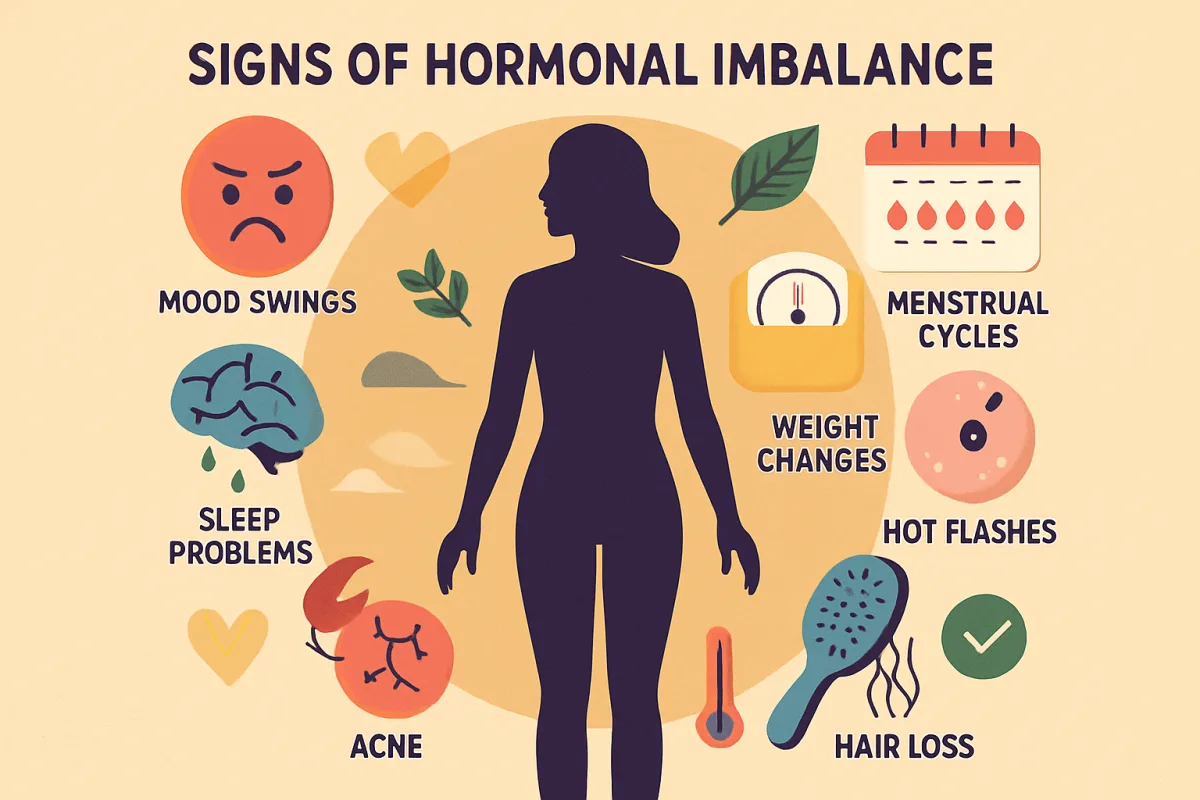
Hormonal imbalances in women can manifest through various physical and emotional symptoms. Common signs include irregular periods, weight gain or loss, fatigue, mood swings, and changes in libido. These symptoms can arise from conditions like polycystic ovary syndrome (PCOS), menopause, or thyroid disorders. Understanding these signs is crucial for early diagnosis and treatment, which can significantly improve quality of life. Consulting a healthcare professional for personalized advice is recommended if you suspect a hormonal imbalance.
Quick Summary
Recognizing hormonal imbalance signs in women is essential for timely intervention. Symptoms such as irregular menstrual cycles, unexplained weight changes, fatigue, and mood fluctuations can indicate underlying hormonal issues. Conditions like PCOS and thyroid disorders often contribute to these imbalances. Early detection and consultation with a healthcare provider can lead to effective management and improved well-being. Awareness of these signs empowers women to seek help and make informed health decisions.
Curator Notes
Hormonal imbalances can significantly affect women's health, leading to a range of symptoms that vary in severity. Irregular menstrual cycles are often one of the first signs, indicating potential issues with estrogen and progesterone levels. Women may experience heavier or lighter periods, or even missed cycles, which can be alarming and should prompt a medical consultation.
Weight fluctuations are another common symptom. Some women may find themselves gaining weight despite a stable diet and exercise routine, while others may experience unexplained weight loss. These changes can be linked to thyroid dysfunction or conditions like PCOS, where insulin resistance plays a role.
Fatigue is frequently reported by women experiencing hormonal imbalances. This can manifest as a persistent lack of energy, making daily tasks feel overwhelming. It's essential to differentiate between general fatigue and that caused by hormonal issues, as the latter often requires targeted treatment.
Emotional symptoms, such as mood swings, anxiety, and depression, can also arise from hormonal fluctuations. These emotional changes can be particularly distressing and may lead to further complications if not addressed. Understanding that these feelings can be linked to hormonal changes is crucial for seeking appropriate help.
Changes in libido are another sign that may indicate hormonal imbalance. Women may find their sexual desire fluctuating, which can affect relationships and personal well-being. This symptom is often overlooked but is vital for overall health and happiness.
Lifestyle factors such as stress, diet, and exercise can also influence hormonal health. High-stress levels can exacerbate symptoms, while a balanced diet rich in nutrients can support hormonal balance. Incorporating regular physical activity is also beneficial, as it can help regulate hormones and improve mood.
If you suspect a hormonal imbalance, it's essential to consult a healthcare provider. They can conduct tests to identify specific imbalances and recommend appropriate treatments, which may include lifestyle changes, medications, or hormone therapy. Early intervention can lead to better health outcomes and improved quality of life.
In conclusion, being aware of the signs of hormonal imbalance empowers women to take charge of their health. Understanding these symptoms and seeking timely medical advice can lead to effective management and a return to well-being.
Best Sources
Videos and Community Signals
Hey lovelies, ever felt like your hormones are playing a game of hide and seek with your well-being? Here are 7 telltale signs your ...
Share this video with all your female friends ❤️ “Hormonal imbalances can significantly impact women's health, leading to ...
Comparison
| Decision Point | Good Starting Choice | When to Go Further |
|---|---|---|
| Online booking | A simple booking page with service duration, staff assignment and confirmation emails. | Multi-location calendars, deposits, cancellation rules and waitlist handling. |
| Client records | Basic notes, visit history and contact details are enough to start. | Segmentation, purchase history, memberships, forms and before-after notes become more important. |
| Reminders | SMS or email reminders help reduce no-shows without adding admin work. | Automated rebooking, follow-up campaigns and missed-appointment recovery matter more. |
| Payments | Card capture and checkout should be simple and transparent. | Packages, memberships, staff commissions, tips and refunds need cleaner reporting. |
| Marketing | Light email or SMS campaigns are useful if they are easy to run. | Automated win-back, birthday offers, review requests and audience segments create more leverage. |
FAQ
Common signs include irregular periods, weight changes, fatigue, mood swings, and changes in libido.
Causes can include conditions like PCOS, menopause, thyroid disorders, and lifestyle factors such as stress and diet.
Management may involve lifestyle changes, medications, or hormone therapy, depending on the underlying cause.
Consult a healthcare provider if you experience persistent symptoms like irregular periods or extreme mood changes.