Home Gardening for Beginners
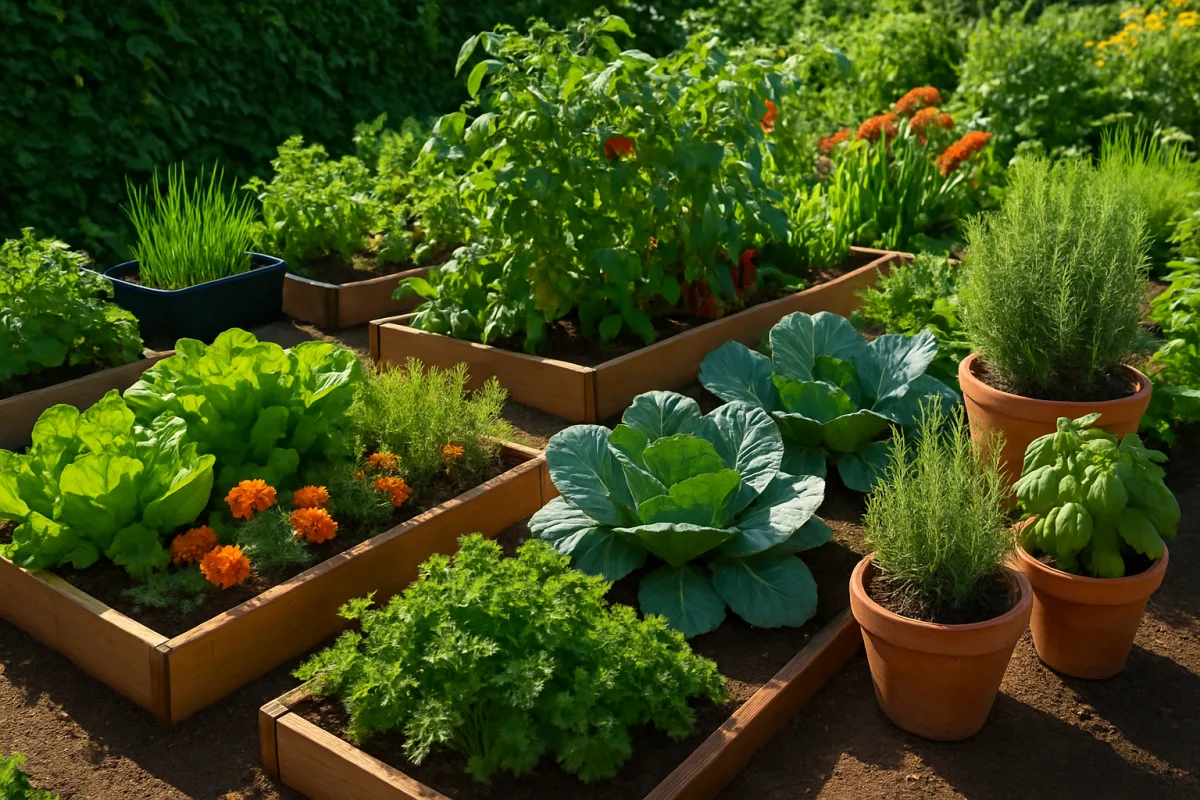
Starting a home garden can be a rewarding experience, offering fresh produce and a connection to nature. Beginners should focus on easy-to-grow plants like tomatoes, herbs, and lettuce, which thrive in various conditions. Essential steps include selecting the right location, preparing the soil, and understanding watering needs. Utilizing raised beds or containers can simplify the process. Research local climate conditions and seasonal planting schedules to maximize success. Joining gardening communities can provide valuable support and resources.
Quick Summary
Home gardening is an accessible and fulfilling hobby for beginners. Focus on easy-to-grow plants such as tomatoes, herbs, and lettuce to get started. Key steps include choosing a suitable location, preparing the soil, and understanding watering requirements. Raised beds or containers can simplify gardening tasks. Additionally, learning about local climate and seasonal planting can enhance your gardening experience. Engaging with gardening communities can also provide support and valuable insights.
Curator Notes
Home gardening is an excellent way for beginners to engage with nature while enjoying the benefits of fresh produce. Starting with easy-to-grow plants like tomatoes, herbs, and lettuce can help build confidence. These plants are forgiving and can thrive in various conditions, making them ideal for novices.
It's essential to understand the specific needs of each plant, including sunlight, water, and soil type, to ensure a successful garden. Selecting the right location is crucial. Most vegetables require at least six hours of sunlight daily, so choose a spot that receives ample light.
If space is limited, consider using containers or raised beds, which can be placed in sunny areas and are easier to manage. This approach also allows for better soil control, which is vital for healthy plant growth. Soil preparation is another critical step.
Beginners should invest in quality soil or compost to provide essential nutrients. Testing the soil pH can also be beneficial, as different plants thrive in varying pH levels. Regularly adding organic matter can improve soil structure and fertility over time.
Watering practices can make or break a garden. Beginners should learn the difference between overwatering and underwatering. A general rule is to water deeply but infrequently, allowing the soil to dry out between waterings.
This encourages root growth and helps plants become more resilient. Understanding local climate conditions is vital for successful gardening. Researching seasonal planting schedules can help beginners know when to sow seeds or transplant seedlings.
Local gardening centers or extension services can provide valuable information tailored to specific regions. Engaging with gardening communities, whether online or in-person, can offer support and inspiration. Many forums and social media groups share tips, troubleshooting advice, and success stories, making it easier for beginners to navigate challenges.
Lastly, patience is key. Gardening is a learning process, and not every plant will thrive. Embrace the journey, learn from mistakes, and celebrate successes, no matter how small.
This mindset will make the gardening experience more enjoyable and fulfilling.
Recommended Options
- Burpee Tomato Seeds: Best for Beginners looking for easy-to-grow vegetables Burpee offers a variety of tomato seeds that are known for their high germination rates and flavor. Signal checked: Highly rated by gardeners for reliability and taste. Alternative to consider: Heirloom seeds for unique varieties.
- Greenes Fence Raised Garden Bed Kit: Best for Those with limited space or poor soil conditions Easy to assemble and provides good drainage and soil control. Signal checked: Popular among urban gardeners for maximizing space. Alternative to consider: Container gardening for flexibility.
- Fiskars Gardening Tools Set: Best for New gardeners needing reliable tools Includes essential tools that are ergonomically designed for comfort. Signal checked: Well-reviewed for durability and ease of use. Alternative to consider: Hand tools for more compact options.
Best Sources
Videos and Community Signals
Okay, so whoever invented these garden block bricks is a GENIUS! I love them! So easy to use and expand on later as needed.
Zone 6 (Chicago, IL, USA) ***** Hey good people, Batavia here! Do you grow peppers in containers? This is one of my favorite ...
Comparison
| Decision Point | Good Starting Choice | When to Go Further |
|---|---|---|
| Growing Method | Container gardening for small spaces | Raised beds for better soil control and drainage |
| Plant Selection | Start with easy herbs like basil or parsley | Experiment with a wider variety of vegetables as skills improve |
| Watering Technique | Water daily in hot weather | Implement drip irrigation for efficiency |
FAQ
The best time to start a home garden depends on your local climate, but generally, spring is ideal for most vegetables.
Most vegetables require at least 6 hours of direct sunlight each day for optimal growth.
Yes, many vegetables thrive in containers, making them suitable for small spaces.