Histamine Intolerance Explained
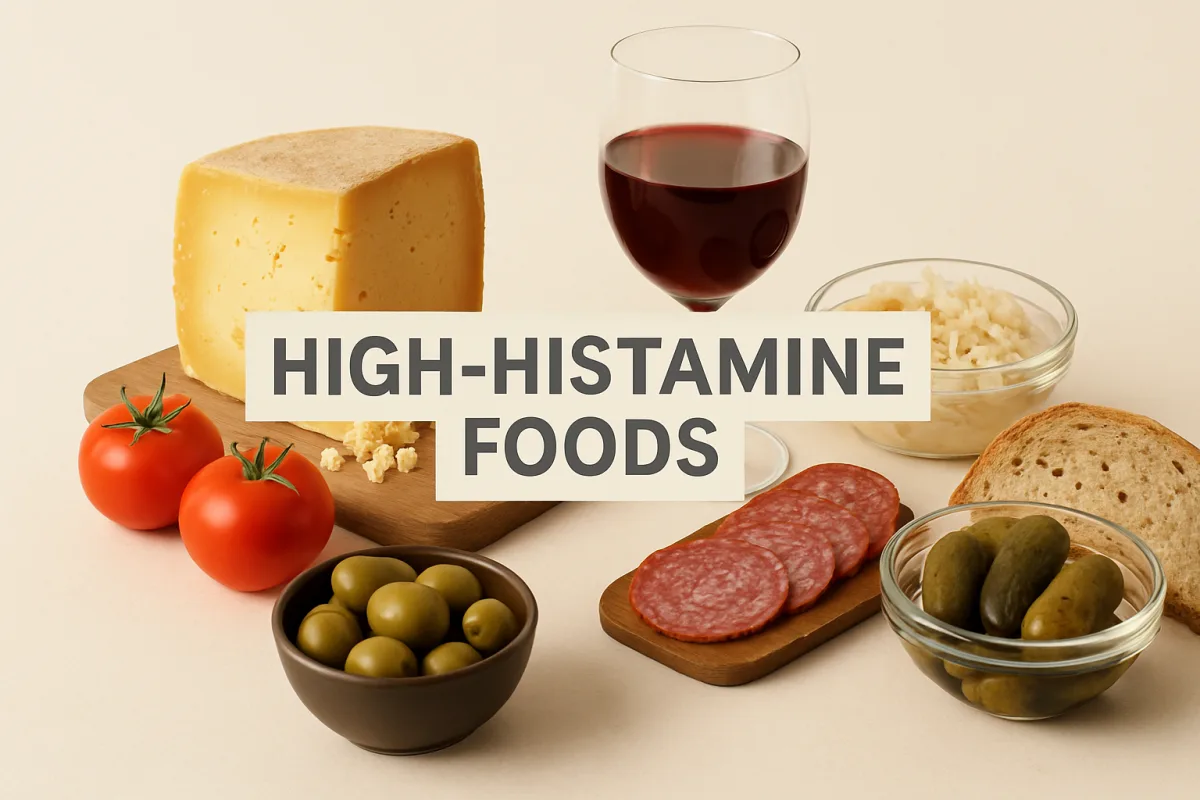
Histamine intolerance occurs when the body cannot break down histamine effectively, leading to various symptoms such as headaches, hives, and digestive issues. This condition can arise from a deficiency in the enzyme diamine oxidase (DAO), which is responsible for breaking down histamine in the gut. Individuals with histamine intolerance may need to adjust their diets to avoid high-histamine foods and consider supplements to support DAO levels.
Quick Summary
Histamine intolerance is a condition where the body struggles to metabolize histamine, resulting in symptoms like headaches, skin rashes, and gastrointestinal issues. It often stems from a deficiency in the enzyme diamine oxidase (DAO). Managing this condition typically involves dietary changes and potential supplementation.
Curator Notes
Histamine intolerance is a complex condition that affects many individuals, often leading to a range of symptoms that can be mistaken for other health issues. Histamine is a naturally occurring compound involved in immune responses, gastric acid secretion, and neurotransmission. However, when histamine levels exceed the body's ability to break it down, it can lead to adverse reactions.
This is particularly common in individuals with low levels of diamine oxidase (DAO), the enzyme that helps metabolize histamine in the gut. Symptoms of histamine intolerance can vary widely and may include headaches, skin reactions like hives, digestive disturbances, and respiratory issues. Identifying and managing histamine intolerance often requires a careful review of dietary habits, as many common foods are high in histamine or can trigger its release.
Foods such as aged cheeses, fermented products, and certain wines are often culprits. Additionally, some individuals may benefit from supplements that support DAO levels, helping to mitigate symptoms and improve overall well-being. Understanding histamine intolerance is crucial for effective management.
Individuals experiencing symptoms should consider consulting with a healthcare professional to explore dietary adjustments and potential supplementation. This personalized approach can lead to significant improvements in quality of life for those affected by this condition.
Best Sources
Videos and Community Signals
What are the top 3 symptoms I see that make me think HISTAMINE INTOLERANCE? The constellation of symptoms can be broad ...
If you're struggling with histamine intolerance, you may find immense relief with a low histamine diet! In this clip from my 5 ...
Comparison
| Decision Point | Good Starting Choice | When to Go Further |
|---|---|---|
| Online booking | A simple booking page with service duration, staff assignment and confirmation emails. | Multi-location calendars, deposits, cancellation rules and waitlist handling. |
| Client records | Basic notes, visit history and contact details are enough to start. | Segmentation, purchase history, memberships, forms and before-after notes become more important. |
| Reminders | SMS or email reminders help reduce no-shows without adding admin work. | Automated rebooking, follow-up campaigns and missed-appointment recovery matter more. |
| Payments | Card capture and checkout should be simple and transparent. | Packages, memberships, staff commissions, tips and refunds need cleaner reporting. |
| Marketing | Light email or SMS campaigns are useful if they are easy to run. | Automated win-back, birthday offers, review requests and audience segments create more leverage. |
FAQ
Common symptoms include headaches, hives, digestive issues, nasal congestion, and fatigue.
Diagnosis typically involves a review of symptoms, dietary history, and sometimes blood tests to measure DAO levels.
Foods to avoid include aged cheeses, fermented foods, alcohol, and processed meats.
Treatment often involves dietary changes to reduce histamine intake and may include DAO supplements.