Heart Healthy Diet Guide
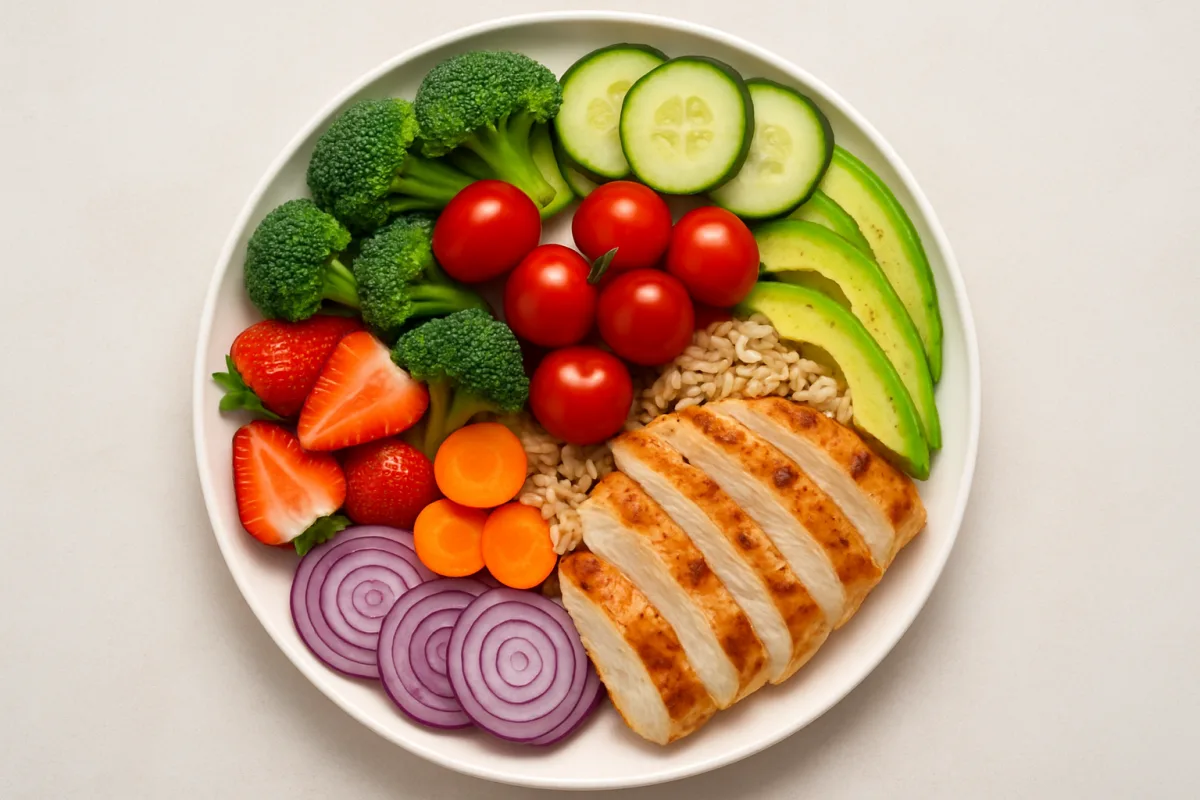
A heart-healthy diet focuses on foods that promote cardiovascular health while reducing the risk of heart disease. Key components include fruits, vegetables, whole grains, lean proteins, and healthy fats. Foods rich in omega-3 fatty acids, such as salmon and walnuts, are particularly beneficial. It's also important to limit saturated fats, trans fats, sodium, and added sugars. This balanced approach not only supports heart health but can also aid in weight management and overall wellness.
Quick Summary
Adopting a heart-healthy diet is essential for maintaining cardiovascular health and preventing heart disease. This diet emphasizes whole foods like fruits, vegetables, and whole grains, while minimizing unhealthy fats and sugars. Incorporating lean proteins and healthy fats, such as those found in fish and nuts, can significantly benefit heart health. Understanding the balance of nutrients and making informed food choices is crucial for long-term wellness.
Curator Notes
A heart-healthy diet is not just a temporary eating plan; it's a lifestyle choice that can lead to lasting health benefits. The foundation of this diet includes plenty of fruits and vegetables, which are rich in vitamins, minerals, and antioxidants. These nutrients help combat oxidative stress and inflammation, both of which are linked to heart disease.
Aim for a variety of colors on your plate to ensure a broad spectrum of nutrients. Whole grains are another cornerstone of a heart-healthy diet. Foods like brown rice, quinoa, and whole wheat bread provide essential fiber, which helps lower cholesterol levels and improve heart health.
Unlike refined grains, whole grains retain their bran and germ, making them more nutritious and beneficial for digestion. Lean proteins, such as chicken, turkey, and plant-based options like beans and lentils, should replace red and processed meats. These alternatives are lower in saturated fats, which can raise cholesterol levels and increase heart disease risk.
Fish, particularly fatty fish like salmon and mackerel, are excellent sources of omega-3 fatty acids, known for their heart-protective properties. Healthy fats, such as those found in avocados, nuts, and olive oil, are essential for a balanced diet. These fats can help reduce bad cholesterol levels and provide a source of energy.
However, moderation is key, as fats are calorie-dense. Avoid trans fats and limit saturated fats found in processed foods and fatty cuts of meat. Sodium and added sugars are often overlooked but play a significant role in heart health.
High sodium intake can lead to hypertension, while excessive sugar can contribute to weight gain and metabolic issues. Reading food labels and choosing low-sodium and low-sugar options is crucial for maintaining a heart-healthy diet. Incorporating physical activity alongside a heart-healthy diet enhances its benefits.
Regular exercise helps maintain a healthy weight, lowers blood pressure, and improves overall cardiovascular health. Aim for at least 150 minutes of moderate aerobic activity each week, combined with strength training exercises. Lastly, staying hydrated is often neglected in dietary discussions.
Drinking plenty of water is essential for overall health and can aid in digestion and nutrient absorption. Opt for water over sugary drinks to keep calorie intake in check and support heart health.
Recommended Options
- Mediterranean Diet: Best for Individuals seeking a balanced and sustainable eating pattern. Rich in healthy fats, whole grains, and lean proteins, this diet is well-researched for heart health. Signal checked: Numerous studies link the Mediterranean diet to reduced cardiovascular disease risk. Alternative to consider: DASH Diet
- DASH Diet: Best for Those looking to lower blood pressure and improve heart health. Focuses on reducing sodium intake while promoting fruits, vegetables, and whole grains. Signal checked: Recommended by health organizations for its effectiveness in lowering blood pressure. Alternative to consider: Plant-Based Diet
- Plant-Based Diet: Best for Vegans and vegetarians or anyone looking to reduce meat consumption. Signal checked: Research shows lower rates of heart disease among plant-based eaters. Alternative to consider: Flexitarian Diet
Best Sources
Videos and Community Signals
How's your heart? What are you doing to make it healthier? A new Mayo Clinic survey shows a family history of heart disease is a ...
Looking for ways to support your heart health while enjoying delicious food? This video highlights 10 heart-healthy foods that can ...
Comparison
| Decision Point | Good Starting Choice | When to Go Further |
|---|---|---|
| Diet Type | Mediterranean Diet for balanced nutrition. | DASH Diet for those with high blood pressure. |
| Focus | Emphasis on healthy fats and whole grains. | Strict sodium reduction for hypertension management. |
| Flexibility | Moderate flexibility in food choices. | Plant-Based Diet for strict adherence to vegan principles. |
FAQ
Limit saturated fats, trans fats, high sodium foods, and added sugars.
Add fruits to breakfast, snack on veggies, and include them in every meal.
Yes, regular physical activity complements a heart-healthy diet and improves overall cardiovascular health.