Healthy Cooking Oils Compared
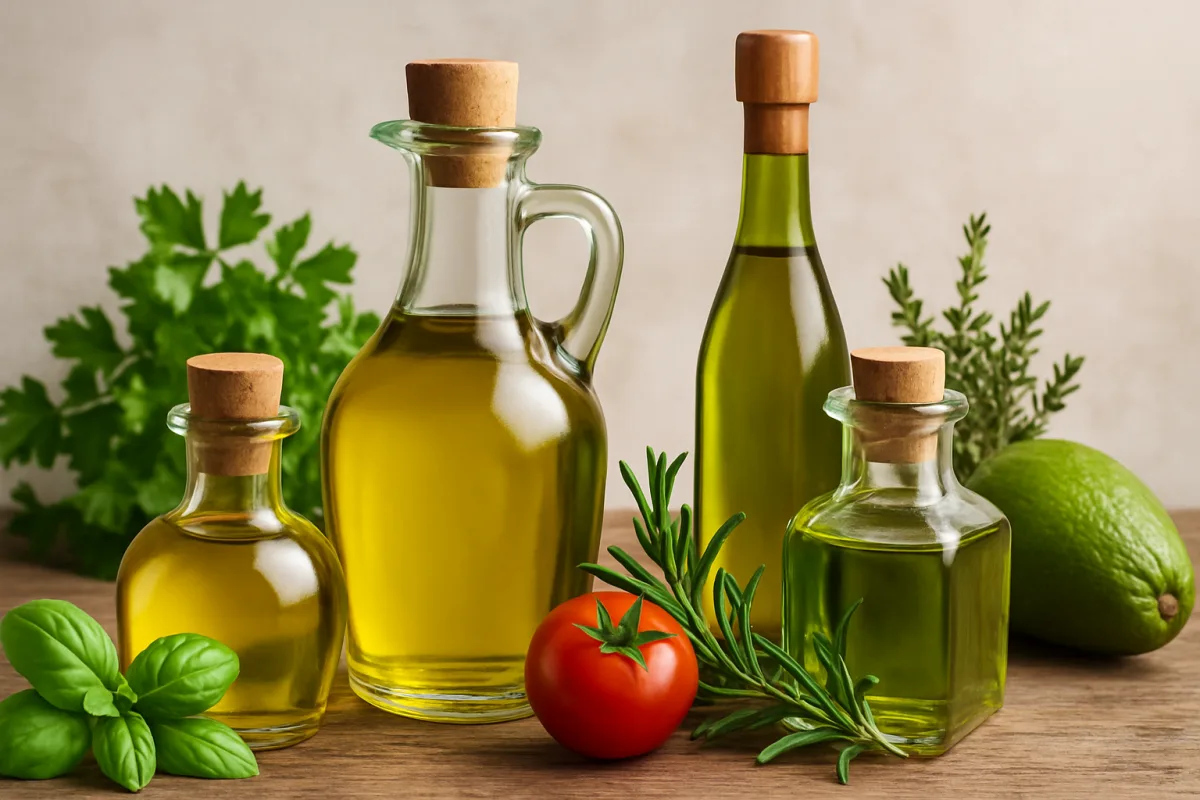
Healthy cooking oils vary significantly in their nutritional profiles and cooking properties. Olive oil is often praised for its heart-healthy monounsaturated fats and antioxidants, making it a top choice for dressings and low-heat cooking. Avocado oil stands out for its high smoke point, making it suitable for high-heat cooking. Coconut oil, while controversial due to its saturated fat content, offers unique flavor and potential health benefits. Canola oil is a budget-friendly option with a neutral flavor, but its processing methods raise concerns. Each oil has its strengths and weaknesses, so the best choice depends on your cooking methods and health goals.
Quick Summary
Choosing the right cooking oil can impact both health and flavor. Olive oil is celebrated for its heart-healthy properties, while avocado oil excels in high-heat cooking. Coconut oil offers a distinct taste but comes with saturated fat concerns. Canola oil is economical but may be overly processed. Understanding the unique benefits and drawbacks of each can help you make informed decisions for your kitchen.
Curator Notes
The choice of cooking oil can significantly influence both the health benefits and flavor of your meals. Olive oil is a staple in many kitchens, renowned for its high levels of monounsaturated fats and antioxidants. It's particularly effective in salad dressings and sautéing at low to medium temperatures.
However, its smoke point is lower than some oils, so it's not ideal for frying. Avocado oil is another excellent option, especially for those who enjoy high-heat cooking. With a smoke point around 520°F, it can withstand high temperatures without breaking down.
Additionally, it's rich in oleic acid and vitamins, making it a nutritious choice for frying or roasting. Coconut oil has gained popularity for its unique flavor and potential health benefits, such as antimicrobial properties. However, it contains a high level of saturated fat, which can be a concern for some health-conscious consumers.
It's best used in baking or dishes where its flavor can shine. Canola oil, known for its neutral taste, is often used in commercial kitchens due to its affordability. While it contains omega-3 fatty acids, many canola oils are highly processed, which raises some health concerns.
If you choose canola oil, look for cold-pressed or organic varieties to minimize processing. Flaxseed oil is another option worth considering, especially for cold dishes. It's rich in omega-3 fatty acids but should not be heated.
It's best used in salad dressings or drizzled over finished dishes for added nutrition. When selecting a cooking oil, consider not just the health benefits but also the flavor profile and cooking method. Each oil has its unique characteristics that can enhance or alter the taste of your dishes.
It's often beneficial to have a variety of oils on hand to suit different cooking needs. In summary, the best cooking oil for you will depend on your cooking style, health goals, and flavor preferences. Understanding the properties of each oil can help you make more informed choices in the kitchen.
Recommended Options
- California Olive Ranch Extra Virgin Olive Oil: Best for Salad dressings and low-heat cooking High in antioxidants and monounsaturated fats Signal checked: Widely praised in health studies and culinary reviews Alternative to consider: Kirkland Signature Organic Extra Virgin Olive Oil
- Chosen Foods Avocado Oil: Best for High-heat cooking and frying High smoke point and rich in healthy fats Signal checked: Popular among health-conscious consumers and chefs Alternative to consider: Primal Kitchen Avocado Oil
- Nutiva Coconut Oil: Best for Baking and tropical-flavored dishes Unique flavor and potential health benefits Signal checked: Frequently recommended in health and wellness circles Alternative to consider: Viva Naturals Organic Extra Virgin Coconut Oil
- Spectrum Canola Oil: Best for General cooking and baking Economical and versatile Signal checked: Commonly used in restaurants and home kitchens Alternative to consider: Colavita Canola Oil
Best Sources
Videos and Community Signals
Dr. Daniel Pompa Social Media Instagram: http://bit.ly/2We1zLO Facebook: http://bit.ly/2wEKGzu Twitter: http://bit.ly/2HVr0hc ...
Many people ask me about the best cooking oils, the healthiest ones, and those that aren't recommended. Here, I explain the ...
Comparison
| Decision Point | Good Starting Choice | When to Go Further |
|---|---|---|
| Smoke Point | Olive Oil (up to 410°F) | Avocado Oil (up to 520°F) |
| Flavor Profile | Neutral (Canola Oil) | Distinct (Coconut Oil) |
| Nutritional Benefits | Monounsaturated Fats (Olive Oil) | Omega-3 Fatty Acids (Flaxseed Oil) |
| Best Use Cases | Dressings and sautéing (Olive Oil) | High-heat frying (Avocado Oil) |
FAQ
Extra virgin olive oil is often considered the healthiest due to its high antioxidant content and heart-healthy fats.
Yes, coconut oil can be used for frying, but be aware of its high saturated fat content.
Canola oil can be a healthy option if it's cold-pressed; however, many varieties are highly processed.
Avocado oil has one of the highest smoke points, making it suitable for high-heat cooking.