Health Screenings by Age Guide
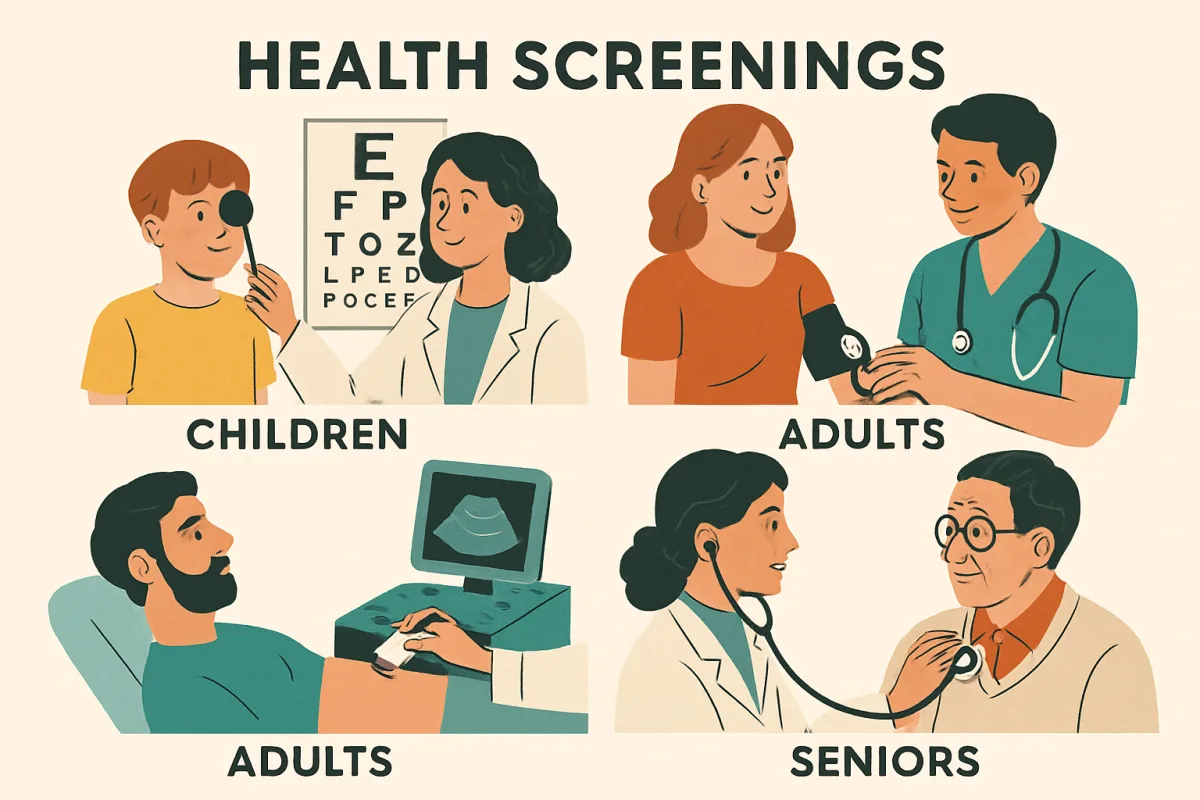
Health screenings are essential for early detection and prevention of diseases, and the recommended screenings vary by age. For children, routine check-ups and vaccinations are crucial. Adolescents should focus on mental health screenings and sexual health education. Adults aged 18-39 should have regular physical exams and screenings for sexually transmitted infections (STIs). Those aged 40-64 should include blood pressure, cholesterol, and diabetes screenings. Seniors aged 65 and older should prioritize screenings for cancers, osteoporosis, and cognitive health. Regular screenings can significantly improve health outcomes and quality of life.
Quick Summary
Understanding health screenings by age is vital for proactive health management. Different life stages require specific screenings to catch potential issues early. Children need vaccinations and routine check-ups, while adolescents should focus on mental health. Adults in their 40s and 50s should monitor blood pressure and cholesterol, and seniors should prioritize screenings for cancers and cognitive health. Tailoring screenings to age can lead to better health outcomes and longevity.
Curator Notes
Health screenings are a cornerstone of preventive healthcare, tailored to different age groups to address specific health risks. For children, the focus is on routine vaccinations and developmental check-ups. These screenings help ensure that children are growing and developing normally while protecting them from preventable diseases.
Parents should keep track of vaccination schedules and consult pediatricians for any additional screenings based on family history or specific health concerns. As children transition into adolescence, mental health screenings become increasingly important. This age group faces unique pressures, and early identification of issues like anxiety or depression can lead to timely intervention.
Additionally, discussions around sexual health and education are crucial during this stage, equipping young people with the knowledge to make informed decisions. For young adults aged 18-39, regular physical exams and screenings for sexually transmitted infections (STIs) are essential. This demographic often overlooks health maintenance, but establishing a routine can help catch issues early.
It's also a good time to discuss lifestyle factors such as diet, exercise, and substance use with healthcare providers. Adults aged 40-64 should begin more comprehensive screenings, including blood pressure checks, cholesterol tests, and diabetes screenings. These assessments become increasingly important as the risk for chronic diseases rises with age.
Individuals should also discuss family history with their doctors, as this can influence the need for additional screenings, such as colonoscopies or mammograms. Seniors aged 65 and older face different health challenges, making it crucial to prioritize screenings for cancers, osteoporosis, and cognitive health. Regular screenings for breast, prostate, and colorectal cancers can lead to early detection and better treatment outcomes.
Cognitive health screenings can help identify conditions like dementia, allowing for early intervention and support. Overall, the importance of age-appropriate health screenings cannot be overstated. They serve as a proactive measure to catch potential health issues before they escalate.
Individuals should maintain open communication with their healthcare providers about their screening needs and any changes in their health status. This proactive approach can lead to improved health outcomes and a better quality of life over time. Being informed about what screenings are necessary at each life stage empowers individuals to take charge of their health.
Regular check-ups, open discussions with healthcare professionals, and adherence to recommended screening schedules can significantly impact long-term health and well-being.
Best Sources
Videos and Community Signals
In this video, Faisal Nadeem shared 10 most important Healthcare interview questions and answers or healthcare assistant job ...
AD To get a free online consultstion with Seoul Guide Medical: https://tinyurl.com/sgmcty https://seoulguidemedical.com ...
Comparison
| Decision Point | Good Starting Choice | When to Go Further |
|---|---|---|
| Online booking | A simple booking page with service duration, staff assignment and confirmation emails. | Multi-location calendars, deposits, cancellation rules and waitlist handling. |
| Client records | Basic notes, visit history and contact details are enough to start. | Segmentation, purchase history, memberships, forms and before-after notes become more important. |
| Reminders | SMS or email reminders help reduce no-shows without adding admin work. | Automated rebooking, follow-up campaigns and missed-appointment recovery matter more. |
| Payments | Card capture and checkout should be simple and transparent. | Packages, memberships, staff commissions, tips and refunds need cleaner reporting. |
| Marketing | Light email or SMS campaigns are useful if they are easy to run. | Automated win-back, birthday offers, review requests and audience segments create more leverage. |
FAQ
Children should have routine vaccinations, developmental check-ups, and screenings for vision and hearing.
Adults should begin regular health screenings at age 18, focusing on physical exams and STI screenings.
Seniors should prioritize screenings for cancers, osteoporosis, and cognitive health assessments.